Gerard Manley Hopkins
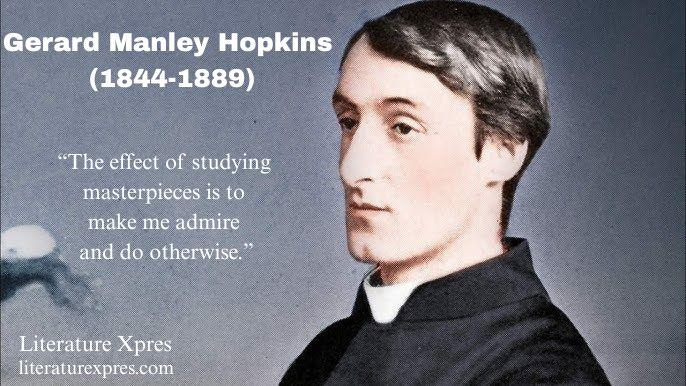
Brief Biography: জেরার্ড ম্যানলি হপকিন্স ১৮৪৪ সালে ইংল্যান্ডের Stratford, East London-এ জন্মগ্রহণ করেন। তার বাবা, Manley Hopkins ছিলেন একজন বীমা কর্মকর্তা ও অপেশাদার কবি। তার মা, Catherine Smith Hopkins ছিলেন একজন ধর্মভীরু ও শিক্ষিত মহিলা। হপকিন্স ছোটবেলা থেকেই কবিতা ও ধর্মচর্চায় আগ্রহী ছিলেন। তিনি অক্সফোর্ড বিশ্ববিদ্যালয়ে পড়াশোনা করেন এবং সেখানে থাকা অবস্থায় ধর্মীয় প্রভাব পড়ে তার ওপর। ১৮৬৬ সালে তিনি ক্যাথলিক ধর্মে রূপান্তরিত হন এবং ১৮৭৭ সালে যাজক (Priest) হিসেবে নিযুক্ত হন।
যাজক হওয়ার পর তিনি কবিতা লেখা বন্ধ করে দেন কারণ তিনি ভাবতেন তা অহংকার বাড়ায়। কিন্তু পরে তার ধর্মীয় কর্তৃপক্ষের অনুমতিতে আবার লেখায় ফেরেন। তার বিখ্যাত কবিতাগুলোর মধ্যে রয়েছে The Windhover, Pied Beauty, God’s Grandeur, Spring and Fall, Felix Randal ইত্যাদি। তিনি তার নিজস্ব ছন্দ “Sprung Rhythm” ব্যবহার করে কবিতায় নতুন ছন্দ ও শব্দচিত্র তৈরি করেন। জীবদ্দশায় তার কোনো কবিতাই প্রকাশিত হয়নি। তিনি ১৮৮৯ সালে টাইফয়েড জ্বরে আক্রান্ত হয়ে মাত্র ৪৪ বছর বয়সে মৃত্যু বরণ করেন। তার মৃত্যুর পর ১৯১৮ সালে তার বন্ধু Robert Bridges তার কবিতাগুলো প্রকাশ করেন, যা পরবর্তীকালে আধুনিক ইংরেজি কবিতার ওপর গভীর প্রভাব ফেলে।
Pied Beauty
Key Facts
- Author: Gerard Manley Hopkins (1844–1889)
- Title of the Author: English poet and Jesuit priest
- Full Title: Pied Beauty
- Total Lines: 11 lines
- Stanza: 1 stanza (called a curtal sonnet)
- Genre: Poetry (Religious / Nature poem)
- Published Date: 1918 (posthumously)
- Written Date: 1877
- Form: Curtal Sonnet (shortened sonnet form by Hopkins)
- Meter: Sprung Rhythm (Hopkins’ own style)
- Rhyme Scheme: ABCABC DBCDC
- Tone: Thankful, joyful, and admiring
- Point of View: First-person (the poet praises God)
- Setting: The natural world with variety and color
- Time Setting: Timeless – focuses on beauty in nature
- Place Setting: Nature – sky, land, animals, everyday life
আরো পড়ুনঃ The Lotos-Eaters Bangla Summary
Key Notes
- কবিতার ধরন ও গঠন: “Pied Beauty” একটি ছোট আকারের স্তব বা প্রশংসাধর্মী কবিতা। এটি মাত্র ১১ লাইনের একটি Curtal Sonnet, যা Hopkins নিজেই উদ্ভাবন করেন। কবিতাটি লেখা হয়েছে Hopkins-এর নিজস্ব Sprung Rhythm ছন্দে।
- কার্টাল সনেট (Curtal Sonnet): হপকিন্স নিজেই একটি বিশেষ ছন্দের কবিতার ধরন তৈরি করেন, যার নাম কার্টাল সনেট। এটি একটি ছোট আকৃতির সনেট, যা সাধারণ ১৪ লাইনের সনেটের সংক্ষিপ্ত সংস্করণ। এই ছন্দে: প্রথম ৮ লাইন (অকটেভ) কমিয়ে ৬ লাইনে আনা হয়। শেষ ৬ লাইন (সেস্টেট) কমিয়ে ৪½ লাইনে করা হয়। শেষের অর্ধেক লাইনকে বলা হয় “টেইল পিস” (tail piece)। মোট লাইনের হিসাব: ৬ + ৪½ = ১০½ লাইন। তবে অনেক সময়ে ছাপার ধরন অনুযায়ী এটি ১১ লাইনের মতো দেখায়। অর্থাৎ, প্রকৃত লাইনের সংখ্যা: ১০½ কিন্তু ছাপায়: ১১ লাইন মনে হতে পারে।
- Form and Structure of the Poem: “Pied Beauty” is a short hymn-like or praise-focused poem. It is a Curtal Sonnet of only 11 lines, a form invented by Hopkins himself. The poem is written in Hopkins’ unique Sprung Rhythm meter.
- Curtal Sonnet: Hopkins created a special form called the Curtal Sonnet, which is a shortened version of a traditional 14-line sonnet. In this form, the first 8 lines (octave) are reduced to 6 lines. The last 6 lines (sestet) are reduced to 4½ lines. The final half-line is known as the “tail piece.” So, total line count: 6 + 4½ = 10½ lines. But in printed versions, it may look like 11 lines depending on formatting.
Background: Gerard Manley Hopkins-এর “Pied Beauty” কবিতার পটভূমি ধর্মীয় চেতনা, প্রকৃতির বৈচিত্র্য এবং ঈশ্বরের সৃজনশক্তির প্রশংসায় গঠিত। Hopkins ছিলেন একজন জেসুইট যাজক এবং প্রগাঢ় ধর্মবিশ্বাসী, যিনি বিশ্বাস করতেন যে প্রতিটি সৃষ্ট জিনিসে ঈশ্বরের সৌন্দর্য প্রতিফলিত হয়—even যদি সেই জিনিসগুলি অসম, অদ্ভুত বা অনিয়মিত হয়।
এই কবিতাটি রচিত হয়েছে এমন এক সময়ে, যখন শিল্প ও সাহিত্য ধীরে ধীরে প্রকৃতিকে বিজ্ঞান ও যুক্তির দৃষ্টিতে দেখতে শুরু করেছিল। কিন্তু Hopkins প্রকৃতির রঙ, বৈচিত্র্য, ফাটল ও অসমতা—all things “dappled”—এর মধ্যে ঈশ্বরের মহিমা উপলব্ধি করেছেন। তিনি এই কবিতায় প্রকৃতির প্রত্যেক অনন্য ও ভিন্ন বৈশিষ্ট্যকেও প্রশংসা করেছেন।
Hopkins-এর নিজস্ব দার্শনিক তত্ত্ব “inscape” এবং “instress” এই কবিতায় বিশেষভাবে ফুটে উঠেছে। Inscape: প্রতিটি বস্তুর নিজস্ব গঠন ও স্বতন্ত্রতা। Instress: সেই গঠন বা স্বতন্ত্রতায় ঈশ্বরের শক্তি ও উপস্থিতি অনুভব। “Pied Beauty” মূলত এক ধরনের ধর্মীয় স্তবকাব্য বা hymn, যেখানে কবি ঈশ্বরের সেই সৃষ্টিকে প্রশংসা করেছেন, যা সাধারণ চোখে অগোছালো, তবুও ঈশ্বরপ্রদত্ত সৌন্দর্যে ভরা।
Background: Gerard Manley Hopkins’ poem “Pied Beauty” is rooted in religious consciousness, the diversity of nature, and the praise of God’s creative power. Hopkins was a Jesuit priest and a deeply religious man who believed that God’s beauty is reflected in every created thing—even if those things are irregular, strange, or imperfect.
This poem was written at a time when art and literature were gradually beginning to view nature through the lens of science and reason. But Hopkins perceived God’s glory in the colors, variety, cracks, and irregularities—all things “dappled”—of nature. In this poem, he praises every unique and different feature of the natural world.
Hopkins’ own philosophical concepts of “inscape” and “instress” are especially evident in this poem. Inscape: The unique structure and individuality of each object. Instress: The perception of God’s power and presence in that unique structure or individuality. “Pied Beauty” is essentially a religious hymn, in which the poet praises God’s creation that may appear chaotic or mottled to the ordinary eye but is full of divine beauty.
Characters
- The Speaker: The speaker is Gerard Manley Hopkins himself, a priest and poet. He praises God for the beauty in all things, especially the varied and “dappled” aspects of nature.
- God: Though not a character in the usual sense, God is the central figure being praised in the poem. God is the creator of all the colorful, unique, and changing things in nature.
- Nature (The “Dappled Things”): Nature itself acts like a character in the poem. It includes the skies, animals, plants, and landscapes—all with their special, spotted, or varied patterns that the poet admires.
বাংলা Detailed সামারি
প্রকৃতির বিচিত্র সৌন্দর্য: কবিতাটি প্রকৃতির বিচিত্রতা ও বৈচিত্র্যময় রূপকে নিয়ে লেখা। কবি ঈশ্বরের প্রশংসা করেন কারণ তিনি পৃথিবীতে অনেক রঙ, ছাপ, দাগ ও নানা রকমের অনন্য বস্তু সৃষ্টি করেছেন। কবিতার শুরুতেই তিনি “dappled things” অর্থাৎ যেগুলো রঙ বা ছাপে মিশ্রিত বা বিচিত্র সেসব জিনিসের জন্য ঈশ্বরের প্রশংসা করেন।
কবি আকাশের বিভিন্ন রঙের কথা বলেন, যেমন “brinded cow” বা দাগযুক্ত গরুর মতো আকাশের রঙ, মাছের গায়ে থাকা দাগগুলো, চেস্টনাট গাছের বাদামী রং, এবং পাখিদের রঙিন ডানা—সবকিছু মিলিয়ে প্রকৃতির বিভিন্নতা ও বৈচিত্র্যের প্রশংসা করেন। তারপর Landschaft বা দৃশ্যপটের বিভিন্ন ধরণের জমির কথা উল্লেখ করেন—যেমন চাষের জমি, বিশ্রামপ্রাপ্ত জমি, এবং ধাপে ধাপে বিভক্ত জমি—এগুলো দেখিয়ে প্রকৃতির নানা রূপের কথা বলেন।
ঈশ্বরের চিরন্তন মহিমা: কবিতার শেষ অংশে তিনি বলেন, এইসব ভিন্নতা ও বিচিত্রতা হলেও, এগুলো ঈশ্বরেরই সৃষ্টি। ঈশ্বরের সৌন্দর্য কখনো বদলায় না, যার সবকিছু সৃষ্টি করেছেন তিনি। তাই কবি ঈশ্বরের মহিমা গাইছেন যিনি এই অসাধারণ বৈচিত্র্যের জন্ম দিয়েছেন। এই কবিতায় কবির ভাষা খুব সরল এবং প্রাণবন্ত। তিনি ছোট ছোট উদাহরণের মাধ্যমে প্রকৃতির ছোট ছোট, অনেক সময় অসম বা অদ্ভুত, রূপগুলোকে যেমন ভালোবেসে দেখেছেন, তেমনি ঈশ্বরের প্রতি গভীর ভক্তি প্রকাশ করেছেন। কবিতার মূল ভাব হলো—প্রকৃতির প্রত্যেকটি ভিন্ন রূপ ঈশ্বরের মহিমার অংশ, এবং সেই মহিমা চিরস্থায়ী ও অপরিবর্তনীয়।
English Detailed Summary
The Diverse Beauty of Nature: The poem is about the diversity and variety of nature’s forms. The poet praises God because He has created many colors, patterns, spots, and unique things in the world. Right at the beginning, he praises “dappled things,” meaning those things that are mixed or spotted with different colors or patterns.
The poet talks about the different colors of the sky, like a “brinded cow” — the sky with patches like a spotted cow — the spots on the fish’s body, the brown color of the chestnut tree, and the colorful wings of birds. All these show the variety and diversity of nature. Then he mentions different kinds of landscapes — such as cultivated land, fallow land, and land divided into patches — showing the many forms of nature.
God’s Eternal Glory: In the last part of the poem, he says that despite all this variety and diversity, these are all creations of God. God’s beauty never changes; He is the creator of everything. So the poet sings the praise of God, who made this wonderful diversity. The poet’s language is very simple and lively in this poem. Through small examples, he shows how he loves even the small, sometimes imperfect or strange forms of nature, and at the same time, he expresses deep devotion to God. The main idea of the poem is that every different form of nature is a part of God’s glory, and that glory is eternal and unchanging.
আরো পড়ুনঃ Andrea Del Sarto Bangla Summary
Themes
- God’s Creation and Praise: The poem shows how the poet feels happy and thankful for all the different and colorful things in nature. He praises God for making everything beautiful, even things that look strange or mixed up.
- Beauty in Variety and Imperfection: The poet tells us that beauty is not only in perfect or plain things. Even things with spots, colors, and different shapes are beautiful. This theme teaches us to love and respect all kinds of things in the world, no matter how different they are.
থিমসমূহ (বিষয়বস্তু)
- ঈশ্বরের সৃষ্টি ও প্রশংসা: এই কবিতায় কবি প্রকৃতির নানা রঙিন ও বিচিত্র জিনিস দেখে খুশি হন এবং কৃতজ্ঞতা প্রকাশ করেন। তিনি ঈশ্বরের প্রশংসা করেন, যিনি সবকিছু—even অদ্ভুত বা মিশ্র দেখায় এমন জিনিসগুলোকেও—সুন্দর করে সৃষ্টি করেছেন।
- বৈচিত্র্য ও অসমতার সৌন্দর্য: কবি বোঝান, সৌন্দর্য শুধু নিখুঁত বা সাধারণ জিনিসেই থাকে না। যেসব জিনিসে দাগ, রঙ বা ভিন্ন ভিন্ন গঠন আছে, সেগুলিও সুন্দর। এই ভাবনা আমাদের শেখায়—পৃথিবীর সব ভিন্ন জিনিসকেও ভালোবাসতে ও সম্মান করতে হবে, যতই সেগুলো আলাদা হোক।
Quotes
“Glory be to God for dappled things –”
Explanation: The poet begins the poem by praising God for creating things that are not plain or uniform, but mixed in color, shape, or pattern. He finds beauty in their variety.
“মিশ্র রঙের জিনিসের জন্য ঈশ্বরের গৌরব হোক।”
ব্যাখ্যা: কবিতা শুরুতেই কবি ঈশ্বরের প্রশংসা করেন যিনি এমন সব জিনিস সৃষ্টি করেছেন যেগুলো একরঙা বা সোজাসুজি নয়, বরং দাগযুক্ত ও বৈচিত্র্যময়। তিনি এই ভিন্নতার মধ্যেই সৌন্দর্য খুঁজে পান।
“Fresh-firecoal chestnut-falls; finches’ wings;”
Explanation: Here, the poet gives examples of natural things that have spotted or colorful appearances—like chestnut fruits that fall and birds’ wings with beautiful patterns. These show nature’s variety.
“তাজা অঙ্গারচূর্ণে ঝরে পড়া চেস্টনাট; চড়ুই পাখির পাখা;”
ব্যাখ্যা: এই লাইনে কবি কিছু প্রকৃতির জিনিসের নাম করেন যেগুলোর গায়ে রঙ বা দাগ থাকে—যেমন চেস্টনাট ফল ও পাখির পাখা। এগুলো প্রকৃতির বৈচিত্র্যের উদাহরণ।
“All things counter, original, spare, strange;”
Explanation: The poet praises God for not just beautiful or common things, but also for things that are strange, opposite, rare, or different. He sees beauty in their uniqueness.
“সব উল্টো, মৌলিক, অপূর্ণ, অদ্ভুত জিনিস;”
ব্যাখ্যা: কবি ঈশ্বরকে শুধু সুন্দর বা প্রচলিত জিনিসের জন্য নয়, অদ্ভুত, ব্যতিক্রমী বা আলাদা জিনিসের জন্যও প্রশংসা করেন। তিনি মনে করেন, এই আলাদা জিনিসগুলিতেও সৌন্দর্য আছে।
“He fathers-forth whose beauty is past change:”
Explanation: The poet says that though the world is full of change and variety, God Himself is unchanging. He creates all diversity, but He remains constant and perfect.
“তিনি জন্ম দেন যাঁর সৌন্দর্য পরিবর্তনের ঊর্ধ্বে।”
ব্যাখ্যা: কবি বলেন, যদিও পৃথিবী নানা রঙ ও রূপে ভরা, ঈশ্বর নিজে অপরিবর্তনীয়। তিনিই এই বৈচিত্র্য সৃষ্টি করেন, কিন্তু তিনি চিরন্তন ও নিখুঁত।
“Praise Him.”
Explanation: The poet ends the poem with a simple but powerful call to praise God, who is the source of all beauty, variety, and life.
“তাঁর প্রশংসা করো।”
ব্যাখ্যা: কবিতা শেষ হয় সরল কিন্তু গভীর আহ্বানে—ঈশ্বরের প্রশংসা করো, যিনি সকল সৌন্দর্য, বৈচিত্র্য ও জীবনের উৎস।
“Swift, slow; sweet, sour; adazzle, dim.”
Explanation: The poet is showing contrast in nature. Things can be fast or slow, sweet or sour, bright or dull. Still, they are all beautiful in their own way. Hopkins celebrates this variety and opposites as a part of God’s wonderful creation.
“দ্রুত, ধীর; মিষ্টি, টক; ঝলমলে, ম্লান।”
ব্যাখ্যা: কবি প্রকৃতির বৈচিত্র্য ও বিপরীত গুণগুলো দেখাচ্ছেন। কিছু জিনিস দ্রুত, কিছু ধীরে; কিছু মিষ্টি, কিছু টক; কিছু ঝলমলে, কিছু ম্লান। তবুও সবকিছু নিজের মতো করে সুন্দর। হপকিন্স এই বৈচিত্র্য ও ভিন্নতাকে ঈশ্বরের মহিমান্বিত সৃষ্টির অংশ হিসেবে দেখেন।
Figures of Speech
- Alliteration: Hopkins repeats the same consonant sounds at the beginning of words to give the poem a musical rhythm. Example: “With swift, slow; sweet, sour” — the repeated ‘s’ sounds make the line smooth and musical. It also shows the contrast in nature in a flowing way.
- Imagery: Hopkins uses vivid and descriptive words to help us see and feel the beauty in nature. Example: “Fresh-firecoal chestnut-falls” — we can imagine the reddish-brown chestnuts falling like burning coals. This strong image makes us feel the beauty in even small, simple things.
- Oxymoron: Hopkins places opposite words together to show contrast and variety in nature. Example: “Swift, slow; sweet, sour” — these opposite pairs show how nature is full of differences, and yet all are beautiful. This makes us appreciate the mixed and opposite qualities of the world.
আরো পড়ুনঃ Pied Beauty Bangla Summary
- Symbols:
- Dappled Things: Symbolize variety, imperfection, and beauty in diversity. These include spotted animals, mixed-colored skies, and patterned fish—all showing that not everything has to be perfect to be beautiful.
- Sky and Clouds: Symbolize the ever-changing nature of life and God’s creativity.
- Fish with Fins: Symbolize uniqueness and detail in creation.
- Landscape and Farmland: Symbolize human interaction with nature.
- God (at the end): Symbolizes the eternal and unchanging beauty behind all changing things. Though nature is full of variety, God’s glory is everlasting and perfect.
Main Message:
- God made all things beautiful.
- Even strange things are full of beauty.
Line by Line Explanation
Glory be to God for dappled things—
প্রশংসা ঈশ্বরের জন্য, যিনি নানা রঙের জিনিস সৃষ্টি করেছেন—
→ কবি ঈশ্বরকে ধন্যবাদ দিচ্ছেন কারণ তিনি সব বিচিত্র ও বর্ণময় জিনিস সৃষ্টি করেছেন।
For skies of couple-colour as a brinded cow;
দুটি রঙের আকাশ, যেমন দাগওয়ালা গরুর গায়ে দেখা যায়;
→ আকাশে নানা রঙের মিশ্র রূপের প্রশংসা করছেন, যেমন মেঘের ছায়ায় নানা রঙ দেখা যায়।
For rose-moles all in stipple upon trout that swim;
জলের নিচে সাঁতার কাটা মাছের গায়ে গোলাপি রঙের ছোট ছোট ছোপ ধন্যবাদ পাওয়ার যোগ্য;
→ ট্রাউট মাছের গায়ে থাকা ছোট ছোট দাগের সৌন্দর্যকেও তিনি ঈশ্বরের সৃষ্টির অংশ হিসেবে দেখছেন।
Fresh-firecoal chestnut-falls; finches’ wings;
পোড়া কয়লার মতো ঝরে পড়া বাদাম; চড়ুই পাখির ডানাও ধন্যবাদ পাওয়ার যোগ্য;
→ প্রকৃতির ছোট ছোট দৃষ্টিনন্দন জিনিসগুলোর মধ্যেও ঈশ্বরের সৌন্দর্য আছে বলে কবি মনে করেন।
Landscape plotted and pieced—fold, fallow, and plough;
চাষের জমি যেন ভাগ ভাগ করা— পাহাড়ি ঢাল, পতিত জমি, আর চাষের জমি;
→ কৃষিজমির বিভিন্ন রূপ ও ব্যবহারেও তিনি সৌন্দর্য খুঁজে পান।
And áll trádes, their gear and tackle and trim.
সব ধরনের পেশা, তাদের যন্ত্রপাতি ও সাজসজ্জাও প্রশংসার যোগ্য;
→ মানুষ যেসব পেশায় কাজ করে, তাদের সরঞ্জামও কবির চোখে সৌন্দর্যপূর্ণ।
All things counter, original, spare, strange;
সব উল্টো, অদ্ভুত, বিরল ও মৌলিক জিনিস ধন্যবাদ পাওয়ার যোগ্য;
→ কবি বলছেন, সাধারণ নয় এমন সব জিনিসও ঈশ্বরের সৃষ্ট সৌন্দর্যের অংশ।
Whatever is fickle, freckled (who knows how?)
যা বদলায়, বা ছোপ ছোপ— কে জানে কীভাবে এমন হয়?
→ তিনি প্রাকৃতিক পরিবর্তন ও বৈচিত্র্যের রহস্যময়তাকে শ্রদ্ধা জানান।
With swift, slow; sweet, sour; adazzle, dim;
যা কখনো দ্রুত, কখনো ধীর; কখনো মিষ্টি, কখনো টক; কখনো ঝলমলে, কখনো ম্লান;
→ বিপরীত ও বৈপরীত্যময় জিনিসগুলোর মধ্যেও কবি সৌন্দর্য খুঁজে পান।
He fathers-forth whose beauty is past change:
তিনি এগুলো সৃষ্টি করেছেন যাঁর নিজের সৌন্দর্য অপরিবর্তনীয়;
→ ঈশ্বর সব পরিবর্তনশীল জিনিস তৈরি করেছেন, কিন্তু তিনি নিজে চিরসুন্দর ও অপরিবর্তনীয়।
Praise him.
আরো পড়ুনঃ Felix Randal Bangla Summary
তাঁর প্রশংসা করো।
→ শেষ লাইনে কবি আবারও ঈশ্বরকে প্রশংসা করার আহ্বান জানিয়েছেন।


