Gerard Manley Hopkins
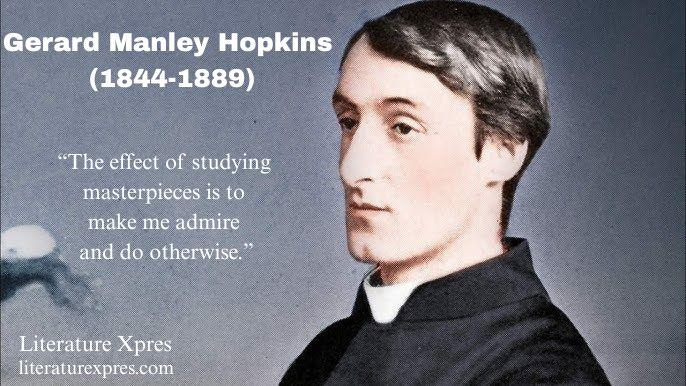
Brief Biography: জেরার্ড ম্যানলি হপকিন্স ১৮৪৪ সালে ইংল্যান্ডের Stratford, East London-এ জন্মগ্রহণ করেন। তার বাবা, Manley Hopkins ছিলেন একজন বীমা কর্মকর্তা ও অপেশাদার কবি। তার মা, Catherine Smith Hopkins ছিলেন একজন ধর্মভীরু ও শিক্ষিত মহিলা। হপকিন্স ছোটবেলা থেকেই কবিতা ও ধর্মচর্চায় আগ্রহী ছিলেন। তিনি অক্সফোর্ড বিশ্ববিদ্যালয়ে পড়াশোনা করেন এবং সেখানে থাকা অবস্থায় ধর্মীয় প্রভাব পড়ে তার ওপর। ১৮৬৬ সালে তিনি ক্যাথলিক ধর্মে রূপান্তরিত হন এবং ১৮৭৭ সালে যাজক (Priest) হিসেবে নিযুক্ত হন।
যাজক হওয়ার পর তিনি কবিতা লেখা বন্ধ করে দেন কারণ তিনি ভাবতেন তা অহংকার বাড়ায়। কিন্তু পরে তার ধর্মীয় কর্তৃপক্ষের অনুমতিতে আবার লেখায় ফেরেন। তার বিখ্যাত কবিতাগুলোর মধ্যে রয়েছে The Windhover, Pied Beauty, God’s Grandeur, Spring and Fall, Felix Randal ইত্যাদি। তিনি তার নিজস্ব ছন্দ “Sprung Rhythm” ব্যবহার করে কবিতায় নতুন ছন্দ ও শব্দচিত্র তৈরি করেন। জীবদ্দশায় তার কোনো কবিতাই প্রকাশিত হয়নি। তিনি ১৮৮৯ সালে টাইফয়েড জ্বরে আক্রান্ত হয়ে মাত্র ৪৪ বছর বয়সে মৃত্যু বরণ করেন। তার মৃত্যুর পর ১৯১৮ সালে তার বন্ধু Robert Bridges তার কবিতাগুলো প্রকাশ করেন, যা পরবর্তীকালে আধুনিক ইংরেজি কবিতার ওপর গভীর প্রভাব ফেলে।
Felix Randal
Key Facts
- Author: Gerard Manley Hopkins (1844-1889)
- Title of the Author: English poet and Jesuit priest.
- Full Title: Felix Randal
- Total Lines: 14 lines
- Stanzas: 1 stanza (a single block of 14 lines)
- Genre: Poetry (Religious/Reflective Elegy)
- Published Date: 1918 (posthumously)
- Written Date: 1880
- Form: Petrarchan (Italian) Sonnet
- Meter: Sprung rhythm (a Hopkins innovation)
- Rhyme Scheme: ABBAABBA CCDCCD
- Tone: Reflective, compassionate, spiritual
- Point of View: First-person (the speaker is the priest)
- Setting: Sickroom or deathbed, and the speaker’s memory
- Time Setting: The final days of Felix Randal’s life
- Place Setting: Likely a quiet parish or community hospital/room
আরো পড়ুনঃ Ulysses Bangla Summary (বাংলায়)
Key Notes
- কবিতার ধরন ও গঠন: এই কবিতাটি একটি সনেট। সনেট মানে—১৪ লাইনের একটি কবিতা। এই সনেটটি দুটি ভাগে বিভক্ত: ১. Octave (প্রথম ৮ লাইন) ২. Sestet (শেষ ৬ লাইন)। Hopkins এই কবিতায় একজন সাধারণ কামার Felix Randal-এর জীবন, অসুস্থতা, মৃত্যু ও আত্মিক শান্তি তুলে ধরেছেন। Octave অংশে Felix-এর অসুস্থতার সময়কার চিত্র, আর Sestet-এ তার আত্মিক পরিণতি এবং যাজকের অনুভূতি প্রকাশ পেয়েছে।
- Felix Randal: Felix Randal একটি ধর্মীয় অনুভূতিতে ভরা শোকগাথা। এই কবিতায় একজন যাজক হিসেবে Hopkins একজন মৃত্যুপথযাত্রী লোকের (Felix Randal) প্রতি সহানুভূতি প্রকাশ করেছেন। Felix একসময় শক্তিশালী ও কর্মঠ কামার ছিল। কিন্তু পরে সে অসুস্থ হয়ে পড়ে। মৃত্যুর আগে সে ধর্মীয় আশ্রয় গ্রহণ করে। কবি যাজক হিসেবে তার পাশে ছিলেন। এই কবিতা করুণা, বিশ্বাস, মৃত্যু এবং আত্মার শান্তি নিয়ে লেখা এক গভীর অনুভবের সৃষ্টি।
- Form and Structure of the Poem: This poem is a sonnet. A sonnet is a poem with 14 lines. This sonnet is divided into two parts: Octave (first 8 lines), Sestet (last 6 lines). In this poem, Hopkins presents the life, illness, death, and spiritual peace of an ordinary blacksmith named Felix Randal. The octave describes Felix’s physical condition during his illness. While the sestet expresses the spiritual transformation and the feelings of the priest (speaker) who stayed by his side.
- Felix Randal: Felix Randal is a religious elegy filled with deep emotion. In this poem, Hopkins, as a priest, shows his sympathy and compassion toward a dying man named Felix Randal. Felix was once a strong and hardworking blacksmith. But later, he fell ill and became weak. Before death, he took spiritual refuge through faith. The poet, as a priest, was beside him till the end. This poem reflects themes of compassion, faith, death, and the peace of the soul—creating a deep spiritual atmosphere.
Background: Gerard Manley Hopkins-এর “Felix Randal” কবিতার পটভূমি গভীর ধর্মীয় ও মানবিক অনুভূতিতে গঠিত। Hopkins ছিলেন একজন যাজক এবং জেসুইট পুরোহিত, যিনি অসুস্থ ও মৃত্যুপথযাত্রীদের সেবা করতেন। এই কবিতাটি তিনি রচনা করেছিলেন এমন একজন মানুষকে নিয়ে, যিনি জীবনের শেষ সময়ে ধর্মীয় আশ্রয় গ্রহণ করেন। ভিক্টোরিয়ান যুগে, যখন বিজ্ঞান ও যুক্তি ধীরে ধীরে ধর্মীয় বিশ্বাসকে চ্যালেঞ্জ করছিল, তখন Hopkins বিশ্বাস, দয়া এবং আত্মার পরিত্রাণ নিয়ে ভাবতেন।
Felix Randal নামে এক কামার, যে একসময় ছিল শক্তিশালী ও কর্মঠ, কিন্তু পরে ধীরে ধীরে অসুস্থ হয়ে পড়ে এবং মৃত্যু তার নিকটে আসে। যাজক হিসেবে Hopkins তার পাশে থেকে তার আধ্যাত্মিক পরিবর্তনের সাক্ষী হন। এই কবিতাটি কেবল একজন অসুস্থ ব্যক্তির গল্প নয়, বরং একজন পুরোহিতের চোখে মৃত্যুর আগমুহূর্তে মানবিকতা, বিশ্বাস, সহানুভূতি ও ঈশ্বরের আশীর্বাদ কেমনভাবে কাজ করে, তা গভীরভাবে ফুটিয়ে তোলে। এটি Hopkins-এর ব্যক্তিগত ধর্মীয় অভিজ্ঞতা এবং মানুষের আত্মিক জগত নিয়ে তাঁর চিন্তার প্রতিফলন।
The background of Gerard Manley Hopkins’ poem Felix Randal is deeply rooted in religious and humanistic emotions. Hopkins was a priest and a Jesuit father who used to serve the sick and the dying. He wrote this poem about a man who, at the end of his life, turned to religion for spiritual comfort. During the Victorian era, when science and reason were gradually challenging religious beliefs, Hopkins reflected on faith, compassion, and the salvation of the soul.
Felix Randal was a blacksmith—once strong and hardworking—who gradually fell ill and came close to death. As a priest, Hopkins stood by him and witnessed his spiritual transformation. This poem is not just the story of a sick man, but through the eyes of a priest, it deeply portrays how humanity, faith, compassion, and divine grace work in the final moments of life. It reflects Hopkins’ personal religious experiences and his thoughts on the inner spiritual world of humans.
Characters
- The Speaker: The speaker is Gerard Manley Hopkins himself, a priest and poet. He watches over Felix Randal during his illness and reflects on his suffering and spiritual journey.
- Felix Randal: Felix Randal is a strong, hardworking blacksmith who becomes seriously ill. His physical strength fades as illness takes over, but spiritually, he finds peace through faith. He represents human weakness, endurance, and spiritual transformation.
বাংলা Detailed সামারি
Octave: অসুস্থতা ও দুর্দশার চিত্র: এই অংশে কবি ফেলিক্স র্যান্ডালের অসুস্থতা ও শারীরিক দুর্বলতার দৃশ্য বর্ণনা করেছেন। ফেলিক্স ছিলেন এক দক্ষ ও শক্তিশালী কামার। তার কাজের জন্য সবাই তাকে সম্মান করত এবং ভালোবাসত। তার হাতে একসময় ছিল অসাধারণ শক্তি ও দক্ষতা। কিন্তু হঠাৎ তার শরীর দুর্বল হয়ে পড়ে। অসুস্থতার কারণে সে শয্যাশায়ী হয়। আর তার কাজ করার ক্ষমতা ধীরে ধীরে হারিয়ে যায়। কবি দেখিয়েছেন যে, প্রকৃতির নিয়ম অনুযায়ী, মানুষ যতই শক্তিশালী হোক না কেন, অসুস্থতা ও মৃত্যুর সামনে সে দুর্বল হয়ে পড়ে। যদিও সে ভালো চিকিৎসা পেয়েছে, তবুও অসুস্থতা তাকে জয় করতে পারে। এই অংশে কবি ফেলিক্সের দেহের দুর্বলতা, শারীরিক যন্ত্রণার কথা জোর দিয়ে তুলে ধরেছেন, যা পাঠকের হৃদয়ে সহানুভূতি জাগায়।
Sestet: আধ্যাত্মিক শান্তি ও মৃত্যুর উপলব্ধি: এই অংশে কবি নিজের ভাবনা ও অনুভূতি প্রকাশ করেছেন। ফেলিক্সের মৃত্যু তাকে গভীরভাবে প্রভাবিত করেছে। কবি তার মৃত্যুকে দেখে দুঃখিত হলেও, তিনি বুঝতে পারেন যে মৃত্যু জীবনের একটি অবিচ্ছেদ্য ও অবশ্যই আসবেই এমন ঘটনা। ফেলিক্সের মৃত্যু কবির মনে করিয়ে দেয়, আমাদের প্রত্যেকেরও একদিন এই পৃথিবী ত্যাগ করতে হবে। কবিতার এই অংশে স্পষ্ট হয় যে, যদিও দেহ দুর্বল হয়ে পড়ে, তবে বিশ্বাস এবং ঈশ্বরের করুণা দিয়ে আত্মার শান্তি পাওয়া সম্ভব। ফেলিক্স নিজের শেষ সময়ে ধর্মীয় বিশ্বাস গ্রহণ করে এবং সেই বিশ্বাস তাকে শান্তি দেয়। কবি যাজক হিসেবে তার পাশে থেকে এই আধ্যাত্মিক পরিবর্তনের সাক্ষী হন। তিনি এই পরিবর্তনকে মানুষের দুর্বলতা ও ঈশ্বরের মহিমার মিলিত চিত্র হিসেবে দেখেন। এই অংশে মানব জীবনের অনিশ্চয়তা, কষ্ট, বিশ্বাস, এবং ঈশ্বরের করুণা ও শান্তির গুরুত্ব ফুটে উঠেছে। কবি পাঠককে মনে করিয়ে দেন যে, জীবনের শেষ মুহূর্তেও ভালোবাসা ও আস্থা জীবনের সত্যিকারের শক্তি।
English Detailed Summary
Octave: The Picture of Illness and Suffering: In this part, the poet describes the illness and physical weakness of Felix Randal. Felix was a skilled and strong blacksmith. Everyone respected and loved him for his work. His hands once held extraordinary strength and skill. But suddenly, his body became weak. Due to illness, he became bedridden and gradually lost the ability to work. The poet shows that according to the law of nature, no matter how strong a person is, he becomes helpless in the face of illness and death. Although Felix received good medical treatment, the illness still defeated him. In this part, the poet strongly highlights the physical weakness and pain of Felix, which evokes sympathy in the hearts of the readers.
Sestet: Spiritual Peace and Realization of Death: In this part, the poet expresses his own thoughts and feelings. Felix’s death deeply affected him. Although saddened by his death, the poet realizes that death is an inseparable and inevitable part of life. Felix’s death reminds the poet that one day, we all must leave this world. It becomes clear in this part of the poem that even though the body becomes weak, peace of soul is possible through faith and God’s grace. In his final moments, Felix accepted religious faith, and that belief gave him peace. As a priest, the poet stood by his side and witnessed this spiritual transformation. He sees this change as a combined picture of human weakness and divine glory. This part highlights the uncertainty of life, suffering, faith, and the importance of God’s grace and peace. The poet reminds the reader that even in the last moments of life, love and faith are the true strength of life.
Themes
- Human Strength vs. Physical Decline: Felix was once strong and powerful as a blacksmith. But illness made him weak and helpless. This theme shows that no matter how strong we are, we all become weak one day. Human strength does not last forever.
- Role of Faith and Spiritual Peace: At the end of his life, Felix accepted religion and found peace in God. The poet, as a priest, gave him comfort. This theme shows that even in pain and death, faith can bring calm and hope to the soul.
- Sympathy and Human Connection: The poet deeply cared for Felix. He felt pain seeing Felix suffer. This theme highlights love, care, and emotional connection between people. It shows that kindness and sympathy are powerful in times of suffering.
থিমসমূহ (বিষয়বস্তু)
- মানব শক্তি বনাম শারীরিক দুর্বলতা: ফেলিক্স এক সময় ছিলেন এক শক্তিশালী ও দক্ষ কামার। কিন্তু অসুস্থতা তাকে দুর্বল ও অসহায় করে তোলে। এই থিমটি বোঝায়, আমরা যতই শক্তিশালী হই না কেন, একদিন সবাই দুর্বল হয়ে পড়ি। মানব শক্তি চিরস্থায়ী নয়।
- বিশ্বাস ও আধ্যাত্মিক শান্তির ভূমিকা: জীবনের শেষ সময়ে ফেলিক্স ধর্মের পথে ফিরে আসে এবং ঈশ্বরে শান্তি খুঁজে পায়। কবি, একজন যাজক হিসেবে, তাকে সান্ত্বনা দেন। এই থিমটি দেখায় যে, যন্ত্রণার মধ্যেও ও মৃত্যুর সময়েও বিশ্বাস আত্মাকে শান্তি ও আশা দিতে পারে।
- সহানুভূতি ও মানবিক সম্পর্ক: কবি ফেলিক্সের প্রতি গভীর মমতা অনুভব করেন। তিনি ফেলিক্সের কষ্ট দেখে দুঃখ পান। এই থিমটি ভালোবাসা, যত্ন ও মানুষের মধ্যে আবেগপূর্ণ সম্পর্কের গুরুত্ব বোঝায়। দুঃখের সময়ে দয়া ও সহানুভূতি মানুষের বড় শক্তি হতে পারে।
Quotes
“Felix Randal the farrier, O is he dead then? my duty all ended…”
Explanation: The poet expresses his sorrow at Felix Randal’s death. As a priest, his duty was to care for him. Now that Felix is gone, the poet feels a deep emotional loss, not just the end of a duty.
“কামার ফেলিক্স র্যান্ডাল, তবে কি সে মারা গেছে? আমার দায়িত্ব শেষ…”
ব্যাখ্যা: কবি এখানে ফেলিক্স র্যান্ডালের মৃত্যুর শোক প্রকাশ করেছেন। যাজক হিসেবে কবির দায়িত্ব ছিল তাকে দেখাশোনা করা। এখন সে মারা যাওয়ায় কবি শুধু দায়িত্বের সমাপ্তি নয়, গভীর এক মানসিক শূন্যতা অনুভব করছেন।
আরো পড়ুনঃ The Lotos-Eaters Bangla Summary
“This seeing the sick endears them to us, us too it endears.”
Explanation: The poet says that caring for the sick makes us emotionally closer to them. Their suffering creates a bond. It also brings us closer to ourselves, making us more human and kind.
“রোগীকে এভাবে দেখতে দেখতেই তারা আমাদের প্রিয় হয়ে ওঠে, এবং আমাদেরও ভালো লাগায়।”
ব্যাখ্যা: কবি বলছেন, অসুস্থ মানুষকে সেবা ও সহানুভূতির দৃষ্টিতে দেখলে আমাদের মধ্যে তাদের জন্য ভালোবাসা জন্মায়। তাদের কষ্ট আমাদের মনে সহানুভূতির জন্ম দেয় এবং আমাদেরকেও আরও মানবিক করে তোলে।
“Pining, pining, till time when reason rambled in it…”
Explanation: The poet shows how Felix suffered slowly over time. His mind weakened, and he lost control. The repetition of “pining” emphasizes the long, painful decline of his health.
“ক্ষয়, ক্ষয়, যতক্ষণ না তার চিন্তা শক্তি ছড়িয়ে পড়ে…”
ব্যাখ্যা: এখানে কবি দেখিয়েছেন, কীভাবে ফেলিক্স ধীরে ধীরে দুর্বল হয়ে পড়ছিল। তার মানসিক শক্তিও হারিয়ে যাচ্ছিল। “ক্ষয়” শব্দের পুনরাবৃত্তি তার ধীরে ধীরে ভেঙে পড়ার যন্ত্রণা প্রকাশ করে।
“Mould of man, big-boned and hardy-handsome.”
Explanation: The poet praises Felix’s strong body and manly beauty. He was tall, broad, and physically powerful — the perfect example of a working man. His outer strength made him admirable.
“পুরুষের ছাঁচ, মোটা হাড়ের গঠন এবং সাহসী-সুদর্শন।”
ব্যাখ্যা: কবি ফেলিক্সের শক্তিশালী গঠন ও পুরুষালী সৌন্দর্যের প্রশংসা করেছেন। সে ছিল লম্বা, মজবুত এবং কর্মঠ – একজন পরিপূর্ণ শ্রমজীবী মানুষের প্রতিচ্ছবি। তার বাহ্যিক শক্তি তাকে সম্মানযোগ্য করে তোলে।
“My tongue had taught thee comfort…”
Explanation: As a priest, the poet comforted Felix with religious words. He guided Felix spiritually and helped him prepare for death. This shows the role of the priest in giving peace at the end of life.
“আমার জিভই তো তোমাকে সান্ত্বনা দিতে শেখাল…”
ব্যাখ্যা: কবি যাজক হিসেবে ফেলিক্সকে ধর্মীয় বাণীতে শান্তি দিয়েছেন। মৃত্যুর আগে তাকে আধ্যাত্মিকভাবে প্রস্তুত করেছেন। এটি একজন যাজকের দায়িত্ব ও করুণা প্রদানের ভূমিকাকে বোঝায়।
Figures of Speech
- Alliteration: Hopkins repeats consonant sounds to create rhythm and musical flow. Example: “hardy-handsome,” “big-boned” — the repeated ‘h’ and ‘b’ sounds make the line strong and energetic. It matches the physical strength of Felix.
- Imagery: Hopkins uses vivid words to help us see and feel Felix’s condition. Example: “Pining, pining…” — This creates a sad image of slow suffering. We can feel Felix’s pain and decline.
- Symbols
- Felix Randal (The Blacksmith): Symbolizes Human strength, labor, and mortality. Felix represents the common working man — strong, skilled, and proud. But his illness and death symbolize the weakness of the human body and the reality of mortality.
- The Forge / Blacksmith’s Tools (Implied): Symbolizes hard work, physical strength, and purpose. Though not directly described, his work as a farrier (horse-shoer) brings the image of iron tools and fire. These suggest strength and the dignity of manual labor.
- Illness and Suffering: Symbolize human weakness and the path to spiritual growth. Felix’s slow decline shows how suffering is part of life. It also leads to inner change, making him spiritually ready before death.
- The Priest (The Speaker): Symbolizes Spiritual guidance and comfort. The poet, as a priest, stands for God’s mercy and human compassion. He represents the link between earthly pain and heavenly peace.
- Death: Symbolizes the End of the physical and the start of the spiritual. Felix’s death is not just an end — it leads to spiritual peace. It shows the transition from body to soul, from suffering to rest.
Main Message:
- “Even the strongest fall — no one escapes pain and death.”
- “True strength lies not in the body, but in the soul.”
Line by Line Explanation
Felix Randal the farrier, O is he dead then? my duty all ended,
ফেলিক্স র্যান্ডাল, যিনি লোহার কাজ করতেন, সে কি মারা গেছে? আমার কাজ তো শেষ হয়ে গেল।
Who have watched his mould of man, big-boned and hardy-handsome
আমি তাকে দেখেছি, সে ছিল মজবুত দেহের, বড় হাড়ের, সাহসী আর সুদর্শন।
Pining, pining, till time when reason rambled in it, and some
ধীরে ধীরে অসুস্থ হয়ে পড়ল, মানসিকভাবেও দুর্বল হতে লাগল।
Fatal four disorders, fleshed there, all contended?
দুর্ভাগ্যবশত চার ধরনের জটিল রোগ তার শরীরে বাসা বেঁধেছিল।
Sickness broke him. Impatient, he cursed at first, but mended
অসুস্থতা তাকে ভেঙে ফেলল। প্রথমে সে অসহায় হয়ে রাগ করেছিল, কিন্তু ধীরে ধীরে তার মন শান্ত হলো।
Being anointed and all; though a heavenlier heart began some
সে ধর্মীয়ভাবে তেলও মাখিয়ে নেয়; তবে তার হৃদয় থেকে ঈশ্বরের শান্তি আসতে শুরু করল।
Months earlier, since I had our sweet reprieve and ransom
কয়েক মাস আগেই, আমি তাকে ঈশ্বরের ক্ষমার মিষ্টি আশ্বাস দিয়েছি।
Tendered to him. Ah well, God rest him all road ever he offended!
আরো পড়ুনঃ Pied Beauty Bangla Summary
আমি তাকে তা দিয়েছিলাম। আচ্ছা, ঈশ্বর যেন তাকে শান্তি দেন, সে যতবারই অন্যায় করুক না কেন।
This seeing the sick endears them to us, us too it endears.
রোগীদের এইভাবে দেখে আমরা তাদের কাছে আরও গেঁথে যাই, আর তারা আমাদের কাছেও প্রিয় হয়।
My tongue had taught thee comfort, touch had quenched thy tears,
আমার কথা তাকে সান্ত্বনা দিয়েছিল, আর আমার স্পর্শ তার চোখের পানি শুকিয়েছিল।
Thy tears that touched my heart, child, Felix, poor Felix Randal;
তার কান্না আমার হৃদয় ছুঁয়ে গিয়েছিল, আমার বাচ্চা ফেলিক্স, দুর্দশাগ্রস্ত ফেলিক্স র্যান্ডাল।
How far from then forethought of, all thy more boisterous years,
তার আগের দিনগুলো থেকে অনেক দূরে, যখন সে ছিল প্রাণশক্তিতে ভরা।
When thou at the random grim forge, powerful amidst peers,
যখন সে লোহার কারখানায় কাজ করত, সহকর্মীদের মধ্যে শক্তিশালী ছিল।
Didst fettle for the great grey drayhorse his bright and battering sandal!
সে বড় ধূসর ঘোড়ার জন্য উজ্জ্বল ও শক্তিশালী নোখ তৈরি করত!


