Gerard Manley Hopkins
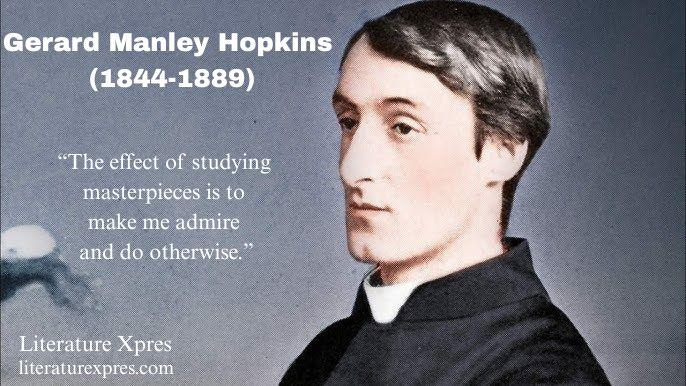
Brief Biography: জেরার্ড ম্যানলি হপকিন্স ১৮৪৪ সালে ইংল্যান্ডের Stratford, East London-এ জন্মগ্রহণ করেন। তার বাবা, Manley Hopkins ছিলেন একজন বীমা কর্মকর্তা ও অপেশাদার কবি। তার মা, Catherine Smith Hopkins ছিলেন একজন ধর্মভীরু ও শিক্ষিত মহিলা। হপকিন্স ছোটবেলা থেকেই কবিতা ও ধর্মচর্চায় আগ্রহী ছিলেন। তিনি অক্সফোর্ড বিশ্ববিদ্যালয়ে পড়াশোনা করেন এবং সেখানে থাকা অবস্থায় ধর্মীয় প্রভাব পড়ে তার ওপর। ১৮৬৬ সালে তিনি ক্যাথলিক ধর্মে রূপান্তরিত হন এবং ১৮৭৭ সালে যাজক (Priest) হিসেবে নিযুক্ত হন।
যাজক হওয়ার পর তিনি কবিতা লেখা বন্ধ করে দেন কারণ তিনি ভাবতেন তা অহংকার বাড়ায়। কিন্তু পরে তার ধর্মীয় কর্তৃপক্ষের অনুমতিতে আবার লেখায় ফেরেন। তার বিখ্যাত কবিতাগুলোর মধ্যে রয়েছে The Windhover, Pied Beauty, God’s Grandeur, Spring and Fall, Felix Randal ইত্যাদি। তিনি তার নিজস্ব ছন্দ “Sprung Rhythm” ব্যবহার করে কবিতায় নতুন ছন্দ ও শব্দচিত্র তৈরি করেন। জীবদ্দশায় তার কোনো কবিতাই প্রকাশিত হয়নি। তিনি ১৮৮৯ সালে টাইফয়েড জ্বরে আক্রান্ত হয়ে মাত্র ৪৪ বছর বয়সে মৃত্যু বরণ করেন। তার মৃত্যুর পর ১৯১৮ সালে তার বন্ধু Robert Bridges তার কবিতাগুলো প্রকাশ করেন, যা পরবর্তীকালে আধুনিক ইংরেজি কবিতার ওপর গভীর প্রভাব ফেলে।
Spring and Fall: to a young child
Key Facts
- Author: Gerard Manley Hopkins (1844-1889)
- Title of the Author: English poet and Jesuit priest
- Full Title: Spring and Fall: to a Young Child
- Total Lines: 15 lines
- Stanza: 1 stanza
- Genre: Poetry
- Published Date: 1918 (posthumously)
- Written Date: 1880
- Form: Rhymed stanza (loosely based on rhyme royal)
- Meter: Sprung rhythm
- Rhyme Scheme: AABBCCDDDEEFFGG
- Tone: Sad, reflective, and compassionate
- Point of View: Second-person (addressing the child)
- Setting: Autumn season, nature’s changing leaves
- Time Setting: Fall (autumn)
- Place Setting: Countryside or natural landscape
আরো পড়ুনঃ Ulysses Bangla Summary (বাংলায়)
Key Notes
- কবিতার ধরন ও গঠন: এই কবিতাটি একটি ছোট আকারের ধ্যানমূলক কবিতা (15 লাইনের)। এটি একটি একক স্তবক (stanza) নিয়ে গঠিত। কবিতাটি ছন্দবদ্ধ এবং Hopkins-এর নিজস্ব Sprung Rhythm ছন্দে লেখা হয়েছে। কবিতাটিতে কবি একটি ছোট মেয়েকে (Margaret) উদ্দেশ্য করে কথা বলেছেন, যে গাছের পাতা ঝরতে দেখে কাঁদছে। কবিতার শুরুতে শিশুর আবেগ, আর শেষে জীবনের গভীর সত্য — মৃত্যু ও আত্ম উপলব্ধির কথা বলা হয়েছে।
- Form and Structure of the Poem: This poem is a short meditative piece consisting of 15 lines. It is written as a single stanza. The poem follows a rhythmic pattern and uses Hopkins’ unique Sprung Rhythm. In the poem, the poet addresses a little girl named Margaret, who is crying after seeing the leaves fall from the trees. The poem begins with the child’s innocent emotion but ends by expressing a deep truth of life — the reality of death and spiritual realization.
Background: Gerard Manley Hopkins-এর “Spring and Fall: to a Young Child” কবিতার পটভূমি গভীর আধ্যাত্মিক ও দার্শনিক অনুভব নিয়ে গঠিত। Hopkins ছিলেন একজন ধর্মপ্রাণ জেসুইট যাজক। তিনি প্রাকৃতিক সৌন্দর্যের মধ্যে ঈশ্বরের উপস্থিতি অনুভব করতেন। তিনি প্রকৃতির পরিবর্তনের মধ্য দিয়ে মানুষের জীবন, মৃত্যু এবং আত্মার সত্যতা উপলব্ধি করতেন।
ভিক্টোরিয়ান যুগে, ধর্মীয় বিশ্বাসের উপর বৈজ্ঞানিক যুক্তি ও পরিবর্তনের চাপ পড়ছিল। তবে Hopkins এই কবিতায় প্রকৃতি ও ধর্মীয় চিন্তার সংযোগ ঘটিয়ে দেখিয়েছেন। তিনি দেখিয়েছেন, কিভাবে ছোট একটি অনুভব থেকে মানুষ জীবনের গভীর সত্য উপলব্ধি করতে পারে। কবিতাটি দার্শনিক ভাবনার পাশাপাশি একটি কোমল ধর্মীয় বোধও প্রকাশ করে। এটি Hopkins-এর “inscape” এবং “instress” তত্ত্বের একটি নিদর্শন, যেখানে প্রত্যেক বস্তু বা অনুভূতির অন্তর্নিহিত সত্য ও ঈশ্বরীয় উপস্থিতি খোঁজা হয়।
Gerard Manley Hopkins’s poem “Spring and Fall: to a Young Child” is rooted in deep spiritual and philosophical reflections. Hopkins was a pious Jesuit priest. He used to feel the presence of God in the beauty of nature. Through the changing patterns of nature, he perceived the truths of human life, death, and the soul.
During the Victorian era, religious faith was being challenged by scientific reasoning and new ideas. However, in this poem, Hopkins has shown a connection between nature and spiritual thought. He shows how a small feeling or experience can lead one to realize the deeper truths of life. The poem expresses not only philosophical thought but also a tender spiritual awareness. It is an example of Hopkins’s theories of “inscape” and “instress”, where the inner truth and divine presence are sought in every object and emotion.
Characters
- The Speaker: The speaker is Gerard Manley Hopkins himself, a priest and poet.
- Margaret: Margaret is a young, sensitive child who feels sad seeing the leaves fall in autumn. She represents innocence, emotional purity, and the early stages of human awareness.
বাংলা Detailed সামারি
শিশুর দুঃখ ও প্রকৃতির পরিবর্তন: এই অংশে কবি একটি ছোট মেয়ে মার্গারেটকে উদ্দেশ্য করে কথা বলেন। মার্গারেট শরতের পাতা ঝরতে দেখে কাঁদছে। সে বুঝতে পারে না কেন এই রঙিন সুন্দর পাতাগুলো মাটিতে পড়ে যাচ্ছে। কবি তাকে খুব মমতার সঙ্গে বলেন, তার এই দুঃখ শুধু পাতাগুলোর জন্য নয়। প্রকৃতির এই পরিবর্তন তাকে দুঃখিত করছে কারণ সে নিজের অজান্তেই জীবনের গভীর পরিবর্তন ও মৃত্যুর ইঙ্গিত অনুভব করছে। ছোটবেলায় আমরা দুঃখ পাই। এই দুঃখ বড়দের মতোই গভীর। তবে ছোটবেলায় আমরা সেই দুঃখ পুরোপুরি বুঝতে পারি না। কবি দেখিয়েছেন, শিশুর মনে প্রথম দুঃখবোধ আসে প্রকৃতির রূপান্তর দেখে। এটি ভবিষ্যতে বড় দুঃখের অর্থাৎ মৃত্যুর প্রতিচ্ছবি।
মৃত্যুবোধ ও আত্মোপলব্ধি: এই অংশে কবি বলেন, মার্গারেটের এই দুঃখ প্রকৃতপক্ষে নিজের মৃত্যুর অনুভব। সে এখন বুঝতে পারছে না, কিন্তু একদিন সে বুঝবে—পাতা ঝরার মতোই মানুষের জীবন একদিন শেষ হয়ে যায়। প্রকৃতির এই ক্ষয় তাকে তার নিজের মৃত্যুর ইঙ্গিত দেয়। কবি জানান, মানুষের দুঃখ সব সময় বাইরের কারণে হয় না, অনেক সময় নিজের অস্তিত্ব, ক্ষয় এবং মরণ নিয়ে চিন্তা থেকেই দুঃখ জন্মায়। মার্গারেটের অজানা কষ্ট আসলে মানুষের জন্মগত মৃত্যু-চেতনার প্রতিফলন। কবি এখানে জীবনে আত্মিক বোধ জাগ্রত করার কথা বলেন। তিনি বুঝিয়ে দেন, এই দুঃখ মানুষের চিরন্তন সত্য—জীবন ক্ষণস্থায়ী, কিন্তু এই অনুভবই আমাদের মানুষ করে তোলে।
English Detailed Summary
Child’s Sorrow and the Change of Nature: In this part, the poet speaks to a little girl named Margaret. Margaret cries as she watches the leaves fall in autumn. She cannot understand why the colorful, beautiful leaves are falling to the ground. The poet gently tells her that her sadness is not only for the leaves. The change in nature is making her sad because, unknowingly, she is feeling the deeper truth of life and the hint of death. In childhood, we feel sorrow. That sorrow is as deep as that of adults, though we do not fully understand it then. The poet shows that a child’s first feeling of grief often comes through observing the changes in nature. This sorrow is actually a reflection of the greater sorrow of life—death.
Sense of Death and Self-Realization: In this part, the poet says that Margaret’s sorrow is, in fact, a feeling of her own mortality. She does not understand it now, but one day she will—just like the falling leaves, human life also comes to an end. The decay in nature gives her a subtle message of her own death. The poet says that human sorrow does not always come from external causes; often, it arises from thinking about one’s own existence, decay, and death. Margaret’s unknown grief is actually a reflection of the inborn awareness of death in all humans. Here, the poet speaks of awakening spiritual understanding in life. He makes it clear that this sorrow is an eternal truth of human life—life is short, but this realization is what truly makes us human.
Themes
- Loss and Grief: Margaret feels sad when she sees the leaves falling. She does not know why she is crying. But her heart feels a kind of loss. This is her first feeling of grief. The poem shows that even small things can make us feel sad. This is the beginning of learning about loss in life.
- Mortality: The poet says Margaret is really sad because one day she, too, will die. The falling leaves remind her heart of death, though she does not understand it yet. This theme shows that everyone must die one day. Even children slowly start to feel this truth.
থিমসমূহ (বিষয়বস্তু)
- হ্রাস ও শোক: মার্গারেট পাতা ঝরতে দেখে দুঃখ অনুভব করে। সে জানে না কেন সে কাঁদছে। কিন্তু তার হৃদয়ে একটি ধরনের ক্ষতি অনুভূত হয়। এটি তার প্রথম শোকের অনুভূতি। কবিতাটি দেখায় যে ছোট ছোট ঘটনা আমাদের দুঃখ দিতে পারে। এটি জীবনে ক্ষতির শিক্ষার শুরু।
- মৃত্যুতা: কবি বলেন, মার্গারেট আসলে খুব দুঃখ করছে কারণ একদিন তারও মৃত্যু হবে। ঝরে পড়া পাতা তার হৃদয়ে মৃত্যুর কথা স্মরণ করিয়ে দেয়, যদিও সে এখন তা বুঝতে পারে না। এই ভাবনা দেখায় যে প্রত্যেকেরই একদিন মারা যেতে হবে। শিশুদেরও ধীরে ধীরে এই সত্য অনুভব করতে শুরু করে।
আরো পড়ুনঃ Andrea Del Sarto Bangla Summary
Quotes
“Margaret, are you grieving
Over Goldengrove unleaving?”
Explanation: The poet asks Margaret why she is sad about the falling leaves in Goldengrove (a place). He notices her grief and wants to understand it. This shows the child’s deep sadness over nature’s change.
“মার্গারেট, তুমি কেন দুঃখ করছো
গোল্ডেনগ্রোভের পাতারা ঝরার জন্য?”
ব্যাখ্যা: কবি মার্গারেটকে জিজ্ঞেস করছেন সে কেন ঝরে পড়া পাতার জন্য দুঃখ করছে। তিনি তার দুঃখ লক্ষ্য করেছেন এবং তা বুঝতে চান। এটা দেখায় যে শিশুর মন প্রকৃতির পরিবর্তনে গভীর দুঃখ পায়।
“It is the blight man was born for,
It is Margaret you mourn for.”
Explanation: The poet tells Margaret that the real reason for her sorrow is not just the leaves falling, but the sadness of human life and death. She is unknowingly grieving for herself and all humans who must one day die.
“এটা সেই অকাল মৃত্যু যেই জন্য মানুষ জন্মে,
তুমি মার্গারেটের জন্য দুঃখ করছ।”
ব্যাখ্যা: কবি বলছেন, মার্গারেটের দুঃখ শুধু পাতার জন্য নয়, বরং মানুষের জীবনের মরণ সত্যের জন্য। সে অজান্তেই নিজের জন্য এবং সবার জন্য দুঃখ করছে যাদের একদিন মৃত্যু আসবে।
“Nor mouth had, no nor mind, expressed
What heart heard of, ghost guessed:”
Explanation: The poet explains that Margaret cannot yet express her feelings clearly. Her heart understands a deep sadness, but her mind and words cannot explain it. This shows the early and confusing experience of grief in childhood.
“না মুখ বলেছে, না মন প্রকাশ করেছে
যা হৃদয় শুনেছে, ছায়া আন্দাজ করেছে।”
ব্যাখ্যা: কবি বোঝাচ্ছেন, মার্গারেট এখনো তার অনুভূতি স্পষ্টভাবে বলতে পারে না। তার হৃদয় গভীর দুঃখ বুঝে, কিন্তু মন ও ভাষা তা প্রকাশ করতে পারে না। এটি শৈশবে দুঃখের প্রথম অজানা অনুভূতির প্রকাশ।
“Ah! as the heart grows older
It will come to such sights colder”
Explanation: The poet says that as Margaret grows up, her feelings will become less innocent and more aware of life’s harsh truths. Over time, sorrow becomes harder but more understood.
“আহ! হৃদয় বড় হওয়ার সাথে সাথে
এমন দৃশ্যের প্রতি শীতল হবে।”
ব্যাখ্যা: কবি বলছেন, মার্গারেট বড় হলে তার অনুভূতি কম সরল হবে এবং জীবনের কঠিন বাস্তবতাকে বুঝতে পারবে। সময়ের সাথে দুঃখ কঠিন হলেও গভীরভাবে উপলব্ধি করা যায়।
Figures of Speech
- Alliteration: Hopkins repeats consonant sounds to make the poem musical and rhythmic. Example: “heart hears,” “ghost guessed” — the repeated ‘h’ and ‘g’ sounds create a soft, flowing effect. This matches the gentle sadness of the poem.
- Imagery: Hopkins uses vivid words to help us picture and feel the scene. Example: “Goldengrove unleaving” — we can clearly see the colorful leaves falling from the trees. This image makes us feel the loss and change in nature, which reflects the child’s sorrow.
- Personification: Hopkins gives human feelings to nature. Example: “the blight man was born for” — here, “blight” (a disease or decay) is like a cruel fate that humans must face. This shows death as an active force affecting all living things.
- Symbols
- Margaret (The Child): Symbolizes innocence, youth, and the beginning of awareness.
- Falling Leaves: Symbolize the cycle of life and death.
- Autumn (The Season): Symbolizes change, decline, and the passing of time.
- Nature: Symbolizes the world’s constant change and life’s impermanence.
- The Child’s Tears: Symbolize the first experience of grief and the awakening of human emotion.
Main Message: Life changes all the time.
Line by Line Explanation
Margaret, are you grieving
মার্গারেট, তুমি কি দুঃখ করছো
Over Goldengrove unleaving?
গোল্ডেনগ্রোভের পাতারা ঝরার জন্য?
Leaves like the things of man, you
পাতাগুলো তোমার মতো মানুষের মতোই
With your fresh thoughts care for, can you?
তোমার সতেজ মন দিয়ে কি তুমি পাতাগুলো নিয়ে চিন্তা করতে পারো?
Ah! as the heart grows older
আহ! যখন হৃদয় (আমরা) বড় হয়
It will come to such sights colder
আমরা এমন দৃশ্যগুলোকে কম অনুভব করবো
By and by, nor spare a sigh
এক সময় তুমি আর কান্না করবে না।
Though worlds of wanwood leafmeal lie;
যদিও তখন চারপাশে অনেক মরা পাতার স্তূপ পড়ে থাকবে।
And yet you will weep and know why.
তবুও তুমি একদিন কাঁদবে এবং তখন কারণটা বুঝতে পারবে।
Now no matter, child, the name:
এখন, বাচ্চা, সেই দুঃখের নামটা জানার দরকার নেই।
Sorrow’s springs are the same.
সব দুঃখের উৎস এক।
আরো পড়ুনঃ Locksley Hall Bangla Summary
Nor mouth had, no nor mind, expressed
মুখে বলা যায় না, মনেও ধারন করা যায় না,
What heart heard of, ghost guessed:
যা হৃদয় টের পায়, আত্মা অনুমান করে।
It is the blight man was born for,
এটাই সেই কষ্ট যা মানুষের জন্ম থেকেই নির্ধারিত।
It is Margaret you mourn for.
তুমি আসলে নিজেকেই নিয়ে কাঁদছ, মার্গারেট।


একই সাথে বাংলা এবং ইংলিশ সামারি দেওয়ার জন্য ধন্যবাদ