Tithonus by Lord Alfred Tennyson
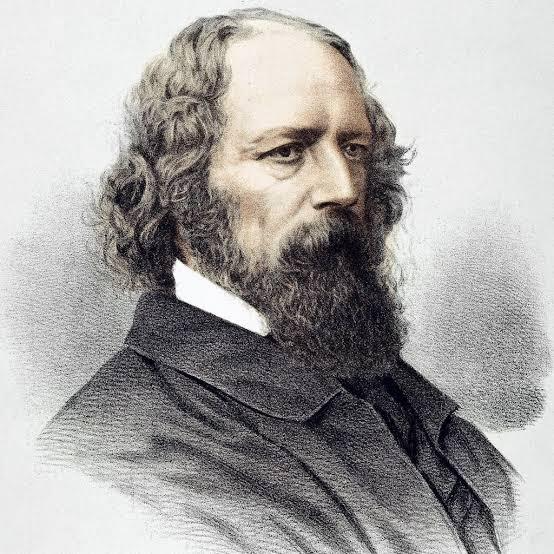
লর্ড আলফ্রেড টেনিসন ১৮০৯ সালে ইংল্যান্ডের লিঙ্কনশায়ারে জন্মগ্রহণ করেন। তাঁর পিতা জর্জ ক্লেটন টেনিসন ছিলেন একজন ধর্মযাজক। তাঁর মাতা এলিজা টেনিসন ছিলেন একটি সম্মানিত পরিবারের সদস্য। টেনিসন ছোটবেলায় পারিবারিক নানা সমস্যার মুখোমুখি হন। তিনি লাউথ গ্রামার স্কুলে পড়াশোনা করেন এবং পরে ক্যামব্রিজ বিশ্ববিদ্যালয়ের ট্রিনিটি কলেজে ভর্তি হন। ক্যামব্রিজে পড়ার সময়ই তিনি বন্ধু আর্থার হেনরি হলামের সাথে পরিচিত হন, যিনি তাঁর জীবনে গভীর প্রভাব ফেলেন। ১৮৩০ সালে টেনিসন তাঁর প্রথম কাব্যগ্রন্থ Poems, Chiefly Lyrical প্রকাশ করেন। তাঁর বিখ্যাত কাব্যের মধ্যে রয়েছে In Memoriam A.H.H., Locksley Hall, The Lotos-Eaters, এবং Ulysses। ১৮৫০ সালে টেনিসন ইংল্যান্ডের পোয়েট লরিয়েট নিযুক্ত হন। পরে ১৮৮৪ সালে তাকে Baron উপাধি দিয়ে Lord পদবীও দেওয়া হয়। তিনি ১৮৯২ সালে মৃত্যুবরণ করেন। টেনিসন আজও ভিক্টোরিয়ান ইংরেজি সাহিত্যের অন্যতম শ্রেষ্ঠ কবি হিসেবে স্মরণীয়।
Lord Alfred Tennyson was born in 1809 in Lincolnshire, England. His father, George Clayton Tennyson, was a clergyman. His mother, Elizabeth Tennyson, was a member of a respectable family. Tennyson faced various family problems during his childhood. He studied at Louth Grammar School and later enrolled at Trinity College, Cambridge. While studying at Cambridge, he became acquainted with Arthur Henry Hallam, who had a profound impact on his life. In 1830, Tennyson published his first collection of poems, Poems, Chiefly Lyrical. His famous works include In Memoriam A.H.H., Locksley Hall, The Lotos-Eaters, and Ulysses. In 1850, Tennyson was appointed the Poet Laureate of England. Later, in 1884, he was granted the title of Baron and was addressed as Lord. He passed away in 1892. Tennyson is still remembered as one of the greatest poets of Victorian English literature.
আরো পড়ুনঃ Andrea Del Sarto Bangla Summary
Key Facts:
Writer: Lord Alfred Tennyson (1809–1892)
Title of the Author:
- Poet Laureate of the United Kingdom (1850–1892)
- One of the most prominent Victorian poets
- Representative poet of the Victorian Age
Original Title: Tithonus
Written Time: Around 1833
Published Date: First published in 1859 (in Poems), revised version of an earlier 1833 poem titled Tithon.
Total Lines: 76
Stanza: Unstanzaic (written in continuous blank verse without clear stanza divisions)
Genre: Dramatic monologue
Tone: Melancholic, Regretful, Philosophical
Point of View or Position: First-person narrative (Tithonus speaks the entire poem)
Technical Excellence of the Poem:
- Use of blank verse with rhythmic elegance
- Rich mythological allusions
- Deep philosophical reflection on mortality and immortality
- Skillful contrast between mortal decay and eternal youth
Setting:
Time Setting: Mythological past, long after Tithonus was granted immortality.
Place Setting: The silent, eternal East, the mythic realm of Eos (Aurora), far from the world of mortals.
Source of the Idea of the Poem: Tennyson draws inspiration from Greek mythology. Especially, he is inspired by the story of Tithonus, a mortal loved by Eos (Aurora), the goddess of dawn. Eos asked Zeus to grant him immortality, but forgot to ask for eternal youth. Tithonus lived forever but continued to age. It becomes a sad symbol of the curse of eternal life without eternal youth.
Form and Meter: 76 lines of blank verse (unrhymed iambic pentameter). “Tithonus” is written in blank verse—that is, unrhymed lines of iambic pentameter. Each line is built from five iambs/feet with a da-DUM rhythm, like this: The woods | decay, | the woods | decay | and fall,
Key Notes: In the poem Tithonus, the main idea is “the curse of immortality.” Tithonus is a human prince. The goddess Eos (Aurora), the goddess of dawn, falls in love with him. She asks Zeus, the king of the gods, to make Tithonus immortal. But she forgets to ask for eternal youth. So Tithonus lives forever but keeps growing older.
The mood of the poem is slow, silent, and sorrowful. The “East” in the poem means the divine realm of Eos — where dawn begins. It may be divine, but for Tithonus, it feels like a prison. He wants to rest like mortal men.
The big message of the poem is that birth, aging, and death are natural. Humans should follow this order. No one should try to go beyond it. Even a beautiful life becomes painful if it has no end. Tithonus finally realizes this truth and begs the goddess to let him return to the earth and die peacefully.
Tithonus কবিতার কেন্দ্রবিন্দু হলো “অমরত্বের অভিশাপ।” Tithonus একজন মানুষ, যার প্রেমে পড়ে যান গ্রিক দেবী Eos (Aurora), যিনি ভোরের দেবী। Tithonus-এর সৌন্দর্যে মুগ্ধ হয়ে Eos তাকে চিরজীবন বাঁচার আশীর্বাদ এনে দেন। তিনি এই আশীর্বাদ Zeus-এর কাছ থেকে আনেন, যিনি ছিলেন দেবরাজ। কিন্তু তিনি ভুলে যান চিরযৌবনের অনুরোধ করতে। ফলে Tithonus অমর হন ঠিকই, কিন্তু বার্ধক্য তাকে গ্রাস করতে থাকে।
Tithonus কবিতার পরিবেশ খুবই ধীর, নীরব ও দুঃখময়। এখানে “East” মানে হচ্ছে দেবী Eos-এর বাসস্থান — যেখান থেকে প্রতিদিন ভোর শুরু হয়। এই স্থান দেবত্বপূর্ণ হলেও Tithonus-এর কাছে এটি এখন বন্দিত্বের মতো। সে চায় মৃত মানুষের মতো শান্তিতে ঘুমাতে।
এই কবিতায় একটি বড় বার্তা হলো — প্রকৃতির নিয়ম অনুযায়ী জন্ম, বার্ধক্য এবং মৃত্যু স্বাভাবিক। মানুষকে এই নিয়ম মেনেই চলা উচিত। জীবন যতই সুন্দর হোক, যদি তার শেষ না থাকে, তবে সেটা একসময় কষ্টের হয়ে দাঁড়ায়। Tithonus নিজেই এই কথাটি উপলব্ধি করেন এবং দেবীর কাছে অনুরোধ করেন তাকে মৃত মানুষের মতো পৃথিবীতে ফেরত পাঠাতে।
Background: Alfred Lord Tennyson had a strong interest in Greek myths and deep thoughts about life. He often thought about death, human limits, and immortality. He believed the key difference between gods and humans is death. This idea inspired him to write Tithonus. He first wrote a short version in 1833, called Tithon. Later, he fully rewrote it and published it in 1859 in his Poems collection. By that time, he was already a mature and well-known poet.
The background story of Tithonus comes from Greek mythology. It is based on the love story between Tithonus, a prince of Troy, and Eos (Aurora), the goddess of dawn. Eos fell in love with him and asked Zeus, the king of the gods, to make him immortal. But she forgot to ask for eternal youth. So, Tithonus became immortal but kept growing old. The story shows a deep message about the natural limits of human life.
In this poem, Tennyson raises a powerful question; “Should a man live forever?” Though the story is mythical, it touches a real truth of life: without death, life becomes a burden. This theme appears in many of Tennyson’s other poems too, such as Ulysses, In Memoriam, and The Lotos-Eaters.
Alfred Lord Tennyson গ্রিক পুরাণ ও দার্শনিক বিষয়ে ছোটবেলা থেকেই আগ্রহী ছিলেন। তিনি প্রাচীন কাহিনি, মৃত্যুর ভাবনা ও অমরত্বের ধারণা নিয়ে ভাবতেন। তিনি মনে করতেন, মানুষ ও দেবতার মধ্যে পার্থক্য হল মৃত্যুর মধ্যে। এই ভাবনা থেকেই তিনি Tithonus কবিতাটি লেখেন। প্রথমে তিনি ১৮৩৩ সালে এই কবিতার একটি ছোট সংস্করণ লেখেন, যার নাম ছিল Tithon। পরে তিনি সেটিকে পুরোপুরি পরিবর্তন করে দীর্ঘ কবিতায় রূপ দেন এবং ১৮৫৯ সালে তা Poems সংকলনে প্রকাশিত হয়। তখন তিনি একজন সফল এবং পরিণত কবি ছিলেন।
Tithonus কবিতার পেছনের কাহিনি গ্রিক পুরাণ থেকে এসেছে। ট্রয় রাজ্যের এক রাজপুত্র Tithonus এবং ভোরের দেবী Eos-এর প্রেমের কাহিনি এই কবিতার মূল ভিত্তি। দেবী Eos প্রেমে পড়ে, দেবরাজ Zeus-এর কাছে Tithonus-এর জন্য অমরত্ব চেয়ে নেন। কিন্তু ভুল করে চিরযৌবনের কথা না বলায় Tithonus অমর হলেও বার্ধক্যের শিকার হন।এই কাহিনির মধ্যেই লুকিয়ে আছে মানব জীবনের সীমা ও নিয়মের গভীর দর্শন।
Tennyson এই কবিতায় গভীর দার্শনিক প্রশ্ন তোলেন — “একজন মানুষের কি অমর হওয়া উচিত?” কবিতাটি কল্পনা হলেও বাস্তব জীবনের এক চিরন্তন সত্যকে স্পর্শ করে আর তা হল মৃত্যু ছাড়া জীবন পূর্ণ হয় না। এই ভাবনা Tennyson-এর বহু কবিতা, যেমন Ulysses, In Memoriam এবং The Lotos-Eaters তে উঠে এসেছে।
Characters
Tithonus: Tithonus is the main speaker and narrator of the poem. He was a mortal prince of Troy in Greek mythology. The goddess of dawn, Eos (Aurora), fell in love with him because of his great beauty. She asked Zeus to make him immortal. But she forgot to ask for eternal youth. As a result, Tithonus kept aging but could not die. He became weak, tired, and wrinkled, but lived forever. In the poem, Tithonus speaks with deep sadness. He remembers his past beauty and love. Now, he only wishes for death and peace. His character shows the pain of being outside the natural law of life.
Eos (Aurora): Eos is the goddess of dawn in Greek mythology. Every day, she comes from the East before sunrise. In the poem, she is loving and beautiful. She truly loves Tithonus. She gives him the gift of immortality. She asks Zeus to grant him immortality.
But she makes a tragic mistake. She forgets to ask for eternal youth. So, while she remains young and fresh forever, Tithonus grows old beside her. In the poem, Eos appears silently in the background, glowing with beauty. She sometimes weeps for Tithonus, but cannot undo the gift. Her presence represents divine beauty, eternal youth, and tragic love.
Zeus: Zeus is the king of the Greek gods. Though he does not appear directly in the poem, he plays an important role in the backstory. Eos requests immortality for Tithonus from Zeus, and he grants it. But as the poem says, “The Gods themselves cannot recall their gifts.” This means Zeus cannot take back what he gave, even if it causes suffering. His presence is a reminder of fate and the unchangeable will of the gods.
Detailed Summary of Tithonus by Alfred Lord Tennyson
Nature Changes, but Tithonus Cannot (Lines 1–10): Nature always changes in a cycle. Trees rot, and leaves fall down. The mist drops soft rain on the land. People are born, work, and then die. Even swans die after many years. But Tithonus cannot die like them. He lies beside Eos, the dawn goddess. He grows old very slowly. He says he is like a white shadow. He walks like a dream in the East. The halls there are silent and full of mist. The place feels cold and still. It is not like the warm world he knew.
The Gift of Immortality Became a Curse (Lines 11–30): Tithonus was once a strong young man. He was handsome and proud of himself. Eos (Aurora) chose him to be her lover. He felt like a god in that moment. He asked Eos to make him immortal. She gave it quickly and easily. It was like a rich man giving money. But the Hours, who serve Eos, got angry. They could not kill him. So they made him grow old forever. His body broke, but he could not die. Eos stayed young and beautiful. But Tithonus aged beside her every day. All his youth and beauty are now gone. He asks if Eos’s love is enough. He sees the silver morning star in the sky. The star shines in Eos’s teary eyes. He begs her to take back the gift. He now knows he made a big mistake. No man should want to live forever. It is wrong to live beyond human life.
The Rise of the Dawn and Tithonus’s Plea (Lines 31–49): A soft wind moves the clouds away. Tithonus sees the human world again. He sees Eos’s shining face and body. Her cheeks turn red with light. Her eyes grow bright with the dawn. Soon, her eyes will outshine the stars. Her wild horses wake up with energy. They shake off the darkness of night. They are ready to bring the sunrise. They wait for Eos to ride with them. But Eos always leaves before speaking. She cries but says nothing to him. Tithonus feels afraid and alone. He remembers an old saying on Earth: “Even gods cannot take back their gifts.”
His Happy Past With Eos (Lines 50–60): Tithonus remembers the old happy times. Back then, he was young and strong. He used to watch Eos rise each day. It made him feel happy and full of life. When she glowed, his body glowed too. Her kisses were soft and sweet. They felt like spring flowers opening. Her lips whispered magical, lovely words. They were wild and sweet like music. It was like the songs of Apollo in Troy. That time was full of joy and love. But now, it is just a sad memory. He feels no more joy or warmth. He feels only cold and sadness.
A Final Request to Die (Lines 61–76): Tithonus asks Eos to let him go. He does not want to stay forever. Her light and beauty never change. But he is now only a shadow. Her golden light feels cold to him. His feet are cold in her bright palace. He sees the mist rise from Earth. It comes from homes of happy people. They are happy because they can die. He sees the graves of the dead. They are even luckier than the living. He wishes to be like them. He wants to return to the earth. He asks her to send him back. Eos can see all things clearly. She will see his grave one day. Every morning, she will rise again. But he will sleep peacefully in the ground. He will forget the empty palace forever. He will forget her bright return each day.
আরো পড়ুনঃ Andrea Del Sarto Bangla Summary
প্রকৃতি বদলায়, কিন্তু Tithonus পারে না (লাইন ১–১০): প্রকৃতি সবসময় একটি চক্রে পরিবর্তিত হয়। গাছপালা পচে যায়, আর পাতা ঝরে পড়ে। কুয়াশা ধীরে ধীরে কোমল বৃষ্টির মতো মাটিতে পড়ে। মানুষ জন্মায়, মাঠে চাষ করে, তারপর মৃত্যুবরণ করে। এমনকি বহু বছর বেঁচে থাকা রাজহাঁসও একসময় মারা যায়। কিন্তু Tithonus তাদের মতো মরতে পারে না। সে Eos-এর, অর্থাৎ ভোরের দেবীর পাশে শুয়ে থাকে। ধীরে ধীরে সে বার্ধক্যে পৌঁছে। সে বলে, সে এখন সাদা এক ছায়ার মতো। সে স্বপ্নের মতো করে পূর্বদিকে হাঁটে। সেখানে প্রাসাদগুলো নীরব এবং কুয়াশায় ঢাকা। তার কাছে সেই জায়গাটা ঠান্ডা এবং নিশ্চুপ লাগে। এটা তার পরিচিত উষ্ণ পৃথিবীর মতো নয়।
অমরত্বের উপহার অভিশাপে পরিণত হয় (১১–৩০): Tithonus একসময় একজন তরুণ ও শক্তিশালী মানুষ ছিল। সে ছিল সুন্দর এবং নিজের সৌন্দর্যে গর্বিত। Eos (Aurora) তাকে তার প্রেমিক হিসেবে বেছে নেন। সে মুহূর্তেই নিজেকে দেবতার মতো অনুভব করে। সে Eos-এর কাছে অনুরোধ করে যেন তাকে অমর করে তোলা হয়। Eos সেই অনুরোধ সহজেই পূরণ করেন। এটা এমন ছিল যেন কোনো ধনী ব্যক্তি টাকা বিলিয়ে দিচ্ছেন। কিন্তু Eos-এর সঙ্গী, Hours (সময়ের প্রতীক) রাগান্বিত হয়ে যায়। তারা Tithonus-কে মেরে ফেলতে পারে না। তাই তারা তাকে চিরকাল বার্ধক্যে ভুগিয়ে রাখে। তার দেহ ভেঙে পড়ে, কিন্তু সে মরতে পারে না। Eos চিরযুবতী ও সুন্দর রয়ে যায়। কিন্তু Tithonus প্রতিদিন তার পাশে থেকে বার্ধক্য অনুভব করে। তার সমস্ত যৌবন ও সৌন্দর্য এখন বিলীন হয়ে গেছে। সে জিজ্ঞেস করে, Eos-এর প্রেম ও রূপ কি এই দুঃখের প্রতিকার হতে পারে? সে আকাশে সকালবেলার রূপালি তারা দেখতে পায়। তারার আলো Eos-এর অশ্রুসিক্ত চোখে প্রতিফলিত হয়। সে Eos-এর কাছে মিনতি করে, যেন সেই অমরত্বের উপহার ফিরিয়ে নেওয়া হয়। এখন সে বুঝতে পেরেছে, সে বড় ভুল করেছিল। কোনো মানুষেরই আমারত্ব/চিরজীবন কামনা করা উচিত নয়। মানুষের জীবনের স্বাভাবিক সীমা পেরিয়ে যাওয়া উচিত নয়।
ভোরের উদয় এবং Tithonus-এর আকুতি (৩১–৪৯): একটি নরম বাতাস মেঘ সরিয়ে দেয়। Tithonus আবার মানুষের পৃথিবী দেখতে পায়। সে Eos-এর দীপ্ত মুখমণ্ডল ও শরীর দেখে। তার গাল আলোয় লাল হয়ে ওঠে। তার চোখে ভোরের আলো ফুটে ওঠে। শিগগিরই তার চোখ এত উজ্জ্বল হয়ে উঠবে যে তারা রাতের তারাগুলোকে হার মানাবে। তার বুনো ঘোড়াগুলো উদ্দীপনায় জেগে ওঠে। তারা রাতের অন্ধকার ঝেড়ে ফেলে। তারা সূর্যোদয়ের জন্য প্রস্তুত। তারা Eos-এর অপেক্ষায় থাকে যে সে তাদের রথে উঠবে। কিন্তু Eos কখনো কোনো উত্তর না দিয়েই চলে যায়। সে কাঁদে, কিন্তু কিছু বলে না। Tithonus নিজেকে ভয় ও একাকীত্বে ডুবে যেতে দেখে। তার মনে পড়ে পৃথিবীর পুরনো একটি প্রবাদ: “দেবতারাও তাদের উপহার ফিরিয়ে নিতে পারেন না।”
Eos-এর সঙ্গে তার সুখের অতীত (৫০–৬০): Tithonus মনে করে তার পুরনো সুখের দিনগুলো। তখন সে ছিল তরুণ ও প্রাণবন্ত। প্রতিদিন সে Eos-এর ভোরের আগমন দেখত। এটি দেখে সে খুশি হত আর নিজেকে জীবন্ত অনুভব করত। যখন সে আলো ছড়াত, তার শরীরও আলোয় ভরে উঠত। তার চুমুগুলো কোমল ও মধুর ছিল। এগুলো ছিল বসন্তের ফুলের মতো। তার ঠোঁট থেকে ভেসে আসত জাদুর মতো সুন্দর শব্দ। শব্দগুলো ছিল উন্মাদ ও মিষ্টি, সংগীতের মত। সেটা ছিল যেন Troy শহরের উপর Apollo-র গাওয়া গানের মতো। সেই সময় আনন্দ ও প্রেমে পূর্ণ ছিল। কিন্তু এখন সেই সময় কেবল দুঃখের স্মৃতি। এখন সে আর সেই আনন্দ বা উষ্ণতা অনুভব করে না। সে এখন কেবল ঠান্ডা ও বিষণ্নতা অনুভব করে।
মৃত্যুর শেষ আবেদন (৬১–৭৬): Eos-এর কাছে Tithonus অনুরোধ করে, যেন Eos তাকে মুক্তি দেয়। সে আর চিরকাল বাঁচতে চায় না। Eos-এর রূপ ও যৌবন কখনো পরিবর্তন হয় না। কিন্তু সে এখন কেবল এক ছায়া মাত্র। তার সোনালি আলো এখন তার কাছে শীতল লাগে। Eos-এর উজ্জ্বল প্রাসাদে হাঁটলে তার পা ঠান্ডা হয়ে আসে। সে দেখতে পায় পৃথিবী থেকে কুয়াশা উঠছে। সেগুলা মরণশীল সুখী মানুষের ঘর থেকে আসে। সে মৃতদের কবর দেখতে পায়। তারা জীবিতদের চেয়েও সৌভাগ্যবান। সে তাদের মতোই হতে চায়। সে মাটিতে ফিরে যেতে চায়। সে অনুরোধ করে যেন তাকে পৃথিবীতে/ মাটিতে ফিরিয়ে দেওয়া হয়। Eos সব কিছু স্পষ্টভাবে দেখতে পারে। একদিন সে তার কবরও দেখতে পাবে। প্রতিদিন সকালবেলায় সে আবারও জেগে উঠবে। কিন্তু Tithonus, মাটির মধ্যে শান্তিতে ঘুমিয়ে থাকবে। সে এই ফাঁপা প্রাসাদ ভুলে যাবে। আর ভুলে যাবে Eos-এর প্রতিদিনের রূপালী রথের প্রত্যাবর্তন।
Themes:
Death is Natural: In the poem “Tithonus,” we hear a sad story. Tithonus loved a goddess named Eos (Aurora), the goddess of dawn. She loved him too and made him live forever. But she forgot to give him eternal youth. So, Eos stayed young, but Tithonus grew old. Now he is very, very old. He is like a shadow. Living forever is painful for him. His body is old, but Eos is still young and beautiful. He wants to die, but he cannot. Because he will live forever. Now he understands—death is not bad. Death is natural and kind. People are lucky. They can grow old and die. Tithonus wishes he could be like them. He wants peace. The poem teaches us: human life has limits. We should accept those limits. Life becomes peaceful that way. If we cross the limits, it brings sorrow.
Old Age and Death: Tithonus lives forever, but keeps growing old. He cannot die like other people. He becomes very weak and broken. He cannot enjoy life anymore. He sees that death is not bad. It is natural and peaceful. Tithonus wants to die and rest forever.
Pride and Mistake: Long ago, Tithonus was proud. He thought he was special. So, he asked for immortality. But he made a big mistake. He forgot to ask for eternal youth. Now he lives forever, but grows old. The poem shows we must accept human life. We should not try to go beyond nature.
Pain of Memory and Loss: Tithonus remembers the past with sadness. He was young and full of joy once. He loved Eos and felt alive. Now she is still young, but he is not. Her beauty makes him feel worse. He feels trapped in old memories. He wants to forget and find peace.
মৃত্যু স্বাভাবিক: কবিতায় “Tithonus”-এর দুঃখের গল্প বলা হয়েছে। Tithonus একজন দেবীকে ভালোবাসত। দেবীর নাম ছিল Eos (Aurora)। তিনি ছিলেন প্রভাতের দেবী। Eos-ও তাকে ভালোবাসতেন, তাই তিনি Tithonus-কে চিরজীবী করে দিলেন। কিন্তু তিনি চিরযৌবনের কথা ভুলে গেলেন। তাই Eos চিরযুবতী থাকলেন, আর Tithonus বুড়ো হতে লাগল। এখন সে খুবই বুড়ো। সে যেন এক ছায়া। তার জন্য বেঁচে থাকা এখন কষ্টকর। তার শরীর বুড়ো, কিন্তু Eos এখনো যুবতী ও সুন্দর। সে মরতে চায়, কিন্তু পারে না। কারণ, সে চিরজীবী। এখন সে বুঝতে পারে—মৃত্যু খারাপ না। মৃত্যু স্বাভাবিক ও দয়ালু। মানুষ ভাগ্যবান, কারণ তারা বুড়ো হয়ে মরতে পারে। Tithonus চায়, সে-ও যেন তাদের মতো হতে পারে। সে শান্তি পেতে চায়। এই কবিতা শেখায় যে মানুষের জীবনের একটা সীমা আছে। আমাদের সেই সীমা মানা উচিত। তবেই জীবনে শান্তি আসে। সীমা ছাড়ালে শুধু কষ্ট আসে।
বার্ধক্য ও মৃত্যু: Tithonus কখনো মারা যেতে পারে না। সে ধীরে ধীরে বুড়ো হয়ে যায়। তার শরীর দুর্বল ও ভেঙে পড়ে। সে আর জীবনের আনন্দ পায় না। সে দেখে, মৃত্যু আসলে খারাপ না। মৃত্যু হলো স্বাভাবিক ও শান্তিপূর্ণ। সে চায় যেন সে মারা যেতে পারে।
অহংকার ও ভুল সিদ্ধান্ত: অনেক আগে Tithonus অহংকারী ছিল। সে ভাবত, সে খুব স্পেশাল। তাই সে অমরত্ব চাইলো Eos-এর কাছে। কিন্তু সে বড় ভুল করেছিল। সে চিরযৌবনের কথা বলেনি। এখন সে অমর, কিন্তু বুড়ো হয়ে গেছে। এই কবিতা শেখায়, মানুষের সীমা মানা উচিত। প্রকৃতির বাইরে গেলে দুঃখ আসে।
স্মৃতি ও হারানোর যন্ত্রণা: Tithonus পুরনো দিনের কথা মনে করে কষ্ট পায়। তখন সে তরুণ ছিল, অনেক খুশি ছিল। সে Eos-কে ভালোবাসত, জীবনে আনন্দ ছিল। এখন Eos আগের মতোই সুন্দর, কিন্তু সে নয়। Eos-এর রূপ তাকে আরও কষ্ট দেয়। সে পুরনো স্মৃতিতে বন্দি হয়ে আছে। সে সব ভুলে যেতে চায়, শান্তি পেতে চায়।
Figure of speech:
Personification: Tennyson gives human feelings to non-human things. For example: “The woods decay, the woods decay and fall.” Here, the woods are described as if they can age and fall like humans. Besides, “Cruel immortality consumes me.” Here, Immortality is shown as a cruel being that destroys Tithonus.
Imagery: Tennyson uses vivid words to help readers imagine the scene. For example: “Far-folded mists and gleaming halls of morn.” Here, we can clearly imagine the quiet, misty eastern sky and shining palaces of the dawn. “Mouth, forehead, eyelids, growing dewy-warm with kisses.” This line creates a soft and warm image of love and memory.
Symbolism: There are Many things in the poem that stand for deeper meanings. Such as
Eos (Aurora): Symbol of eternal youth and beauty. She also symbolizes the pain of memory and the cruelty of time.
Tithonus’s Body: Symbol of human weakness and the curse of unnatural life. His decaying body shows the result of pride and wrong choices.
The Silver Star (Venus): Symbol of love, regret, and the passing of time. It appears above when Tithonus speaks of sorrow.
The Gleaming Halls of Morn: Symbol of the eternal, divine world that never changes. For Tithonus, it is now a prison, not a paradise.
The Earth (Grave): Symbol of peace, release, and natural end. Tithonus wishes to return to the earth to escape pain.
Quotes
“Me only cruel immortality consumes.”
(শুধু আমাকেই নির্মম অমরত্ব ধ্বংস করে ফেলছে।)
Exp: Tithonus is saying that living forever is not a blessing. It is painful because he keeps aging but cannot die.
“Why should a man desire in any way
To vary from the kindly race of men?”
(একজন মানুষের কেনই বা ইচ্ছা হবে
সাধারণ মানবজাতি থেকে আলাদা হওয়ার?)
Exp: Tithonus regrets his wish for immortality. He now believes it is better to be like other humans who can die.
“The Gods themselves cannot recall their gifts.”
(দেবতারা নিজেরাও তাদের উপহার ফিরিয়ে নিতে পারেন না।)
Exp: Tithonus fears that once a god gives something, it cannot be taken back — even if it becomes a curse.
“Immortal age beside immortal youth.”
(অমর বার্ধক্য, অমর যৌবনের পাশে।)
Exp: This line captures the painful contrast — Tithonus is forever old, but Eos remains forever young.
“Release me, and restore me to the ground.”
(আমাকে মুক্তি দাও, এবং আমাকে মাটিতে ফিরিয়ে দাও।)
Exp: Tithonus begs for death. He wants to return to the earth and be free from endless pain.
Line by Bangla Translation:
The woods decay, the woods decay and fall,
বনের গাছপালা ঝরে পড়ে, ঝরে পড়ে এবং মাটিতে পড়ে।
The vapours weep their burthen to the ground,
কুয়াশা তার ভার মাটিতে অশ্রুর মতো ফেলছে।
Man comes and tills the field and lies beneath,
মানুষ আসে, জমি চাষ করে, আর পরে মাটির নিচে শুয়ে পড়ে।
And after many a summer dies the swan.
অনেক গ্রীষ্মের পর রাজহাঁসও মারা যায়।
Me only cruel immortality
শুধু আমাকে নিষ্ঠুর অমরত্ব
Consumes: I wither slowly in thine arms,
গ্রাস করছে: আমি ধীরে ধীরে শুকিয়ে যাচ্ছি তোমার বুকে।
Here at the quiet limit of the world,
এখানে, দুনিয়ার শান্ত সীমান্তে,
A white-hair’d shadow roaming like a dream
একটি সাদা-চুলের ছায়া, স্বপ্নের মতো ঘুরে বেড়ায়
The ever-silent spaces of the East,
প্রাচ্যের চিরনিরব স্থানজুড়ে,
Far-folded mists, and gleaming halls of morn.
দূর বিস্তৃত কুয়াশা আর সকালবেলার ঝকঝকে প্রাসাদে।
Alas! for this gray shadow, once a man—
হায়! এই ধূসর ছায়ার জন্য, যে একসময় ছিল একজন মানুষ—
So glorious in his beauty and thy choice,
যার সৌন্দর্য ছিল গৌরবময়, আর তুমি তাকে বেছে নিয়েছিলে,
Who madest him thy chosen, that he seem’d
তুমি যাকে করেছিলে তোমার প্রিয়তম, যেন সে ছিল
To his great heart none other than a God!
তার বিশাল হৃদয়ে সে নিজেকে ভাবত একজন দেবতা!
I ask’d thee, ‘Give me immortality.’
আমি তোমাকে বলেছিলাম, ‘আমাকে দাও অমরত্ব।’
Then didst thou grant mine asking with a smile,
তুমি তখন এক হাসির সঙ্গে আমার অনুরোধ পূরণ করেছিলে,
Like wealthy men, who care not how they give.
যেমন ধনী লোকেরা, যারা ভাবে না কীভাবে দান করছে।
But thy strong Hours indignant work’d their wills,
কিন্তু তোমার শক্তিশালী সময়দেবীরা (Hours) রেগে গিয়ে তাদের ইচ্ছা চালিয়েছে,
And beat me down and marr’d and wasted me,
তারা আমাকে ভেঙে ফেলেছে, ক্ষতবিক্ষত করেছে, নিঃশেষ করেছে,
And tho’ they could not end me, left me maim’d
আর যদিও তারা আমাকে শেষ করতে পারেনি, তারা আমাকে বিকলাঙ্গ করে রেখে গেছে।
To dwell in presence of immortal youth,
অমর যৌবনের পাশে থেকে থাকতে হয়েছে আমাকে,
Immortal age beside immortal youth,
অমর বার্ধক্য এখন অমর যৌবনের পাশে দাঁড়িয়ে আছে,
And all I was, in ashes. Can thy love,
আমি যা কিছু ছিলাম, সব এখন ছাই। তোমার ভালোবাসা কি পারবে,
আরো পড়ুনঃ Funeral Rites Bangla Summary (বাংলায়)
Thy beauty, make amends, tho’ even now,
তোমার সৌন্দর্য কি পারবে তা পূরণ করতে, যদিও এখনো,
Close over us, the silver star, thy guide,
আমাদের ওপরে জ্বলছে রুপালী তারা, তোমার পথপ্রদর্শক,
Shines in those tremulous eyes that fill with tears
যা জ্বলছে তোমার কাঁপা চোখে, যে চোখ অশ্রুতে ভরে উঠেছে
To hear me? Let me go: take back thy gift:
আমার কথা শুনে? আমাকে যেতে দাও: তোমার সেই উপহার ফিরিয়ে নাও:
Why should a man desire in any way
কেন একজন মানুষ চাবে এমন কিছু,
To vary from the kindly race of men
যা তাকে আলাদা করে দেবে দয়ালু মানবগোষ্ঠী থেকে,
Or pass beyond the goal of ordinance
বা সে যাবে প্রাকৃতিক সীমার বাইরে,
Where all should pause, as is most meet for all?
যেখানে সবার থেমে যাওয়াই স্বাভাবিক, যেমনটা সবার জন্য ঠিক।
A soft air fans the cloud apart; there comes
একটি কোমল বাতাস মেঘ সরিয়ে দেয়; তখন দেখা যায়
A glimpse of that dark world where I was born.
এক ঝলক সেই অন্ধকার পৃথিবীর, যেখানে আমার জন্ম।
Once more the old mysterious glimmer steals
আবার একবার সেই পুরনো রহস্যময় জ্যোতি চুপিসারে ছড়িয়ে পড়ে
From thy pure brows, and from thy shoulders pure,
তোমার পবিত্র কপাল থেকে, আর তোমার পবিত্র কাঁধ থেকে,
And bosom beating with a heart renew’d.
আর তোমার বুক ধুকপুক করছে নবীন এক হৃদয়ের ছন্দে।
Thy cheek begins to redden thro’ the gloom,
অন্ধকারের মধ্যে তোমার গাল রাঙা হতে শুরু করে,
Thy sweet eyes brighten slowly close to mine,
তোমার মধুর চোখ ধীরে ধীরে উজ্জ্বল হয়ে ওঠে, আমার চোখের পাশে,
Ere yet they blind the stars, and the wild team
তার আগেই তারা ঝলসে দেয় তারাগুলোকে, আর সেই বুনো ঘোড়ার দল
Which love thee, yearning for thy yoke, arise,
যারা তোমায় ভালোবাসে, তোমার রশির জন্য উন্মুখ হয়ে ওঠে,
And shake the darkness from their loosen’d manes,
তারা তাদের খোলা খুর থেকে অন্ধকার ঝেড়ে ফেলে,
And beat the twilight into flakes of fire.
আর তারা গোধূলিকে পরিণত করে আগুনের ঝলকে।
Lo! ever thus thou growest beautiful
দেখো! তুমি সবসময় এভাবেই সুন্দর হয়ে ওঠো
In silence, then before thine answer given
নিঃশব্দে, তারপর উত্তর দেবার আগেই
Departest, and thy tears are on my cheek.
তুমি চলে যাও, আর তোমার অশ্রু থাকে আমার গালে।
Why wilt thou ever scare me with thy tears,
কেন তুমি বারবার তোমার অশ্রু দিয়ে আমায় ভয় দেখাও,
And make me tremble lest a saying learnt,
আর আমায় কাঁপিয়ে দাও যেন আমি ভুলে যাই সেই কথা,
In days far-off, on that dark earth, be true?
যা বহু আগে শিখেছিলাম সেই অন্ধকার পৃথিবীতে, সেটি সত্যি কি?
‘The Gods themselves cannot recall their gifts.’
‘দেবতারা নিজেরাও তাদের উপহার ফিরিয়ে নিতে পারেন না।’
Ay me! ay me! with what another heart
আহ হায়! আহ হায়! কী ভিন্ন এক হৃদয়ে আমি
In days far-off, and with what other eyes
সেই বহু আগেকার দিনে, কী ভিন্ন চোখে
I used to watch—if I be he that watch’d—
আমি যাকে দেখতাম—যদি আমি এখনো সেই মানুষ হই—
The lucid outline forming round thee; saw
তোমার চারপাশে গঠিত সেই স্বচ্ছ আকারটি দেখেছি; দেখেছি
The dim curls kindle into sunny rings;
অস্পষ্ট কোঁকড়ানো চুলগুলো কেমন করে রোদ্দুরে জ্বলজ্বলে হয়ে উঠতো;
Changed with thy mystic change, and felt my blood
তোমার ঐন্দ্রজালিক পরিবর্তনের সঙ্গে আমিও বদলাতাম, আর অনুভব করতাম আমার রক্ত
Glow with the glow that slowly crimson’d all
উজ্জ্বল হয়ে উঠতো সেই আলোয় যা ধীরে ধীরে রাঙিয়ে দিত সব কিছু
Thy presence and thy portals, while I lay,
তোমার উপস্থিতি ও প্রাসাদের দরজাগুলো, যখন আমি শুয়ে থাকতাম,
Mouth, forehead, eyelids, growing dewy-warm
মুখ, কপাল, চোখের পাতা — নরম শিশিরে ভেজা ও উষ্ণ হয়ে উঠতো
With kisses balmier than half-opening buds
চুম্বনে, যা ছিল অর্ধ-ফোটা ফুলের চেয়েও মোলায়েম ও স্নিগ্ধ
Of April, and could hear the lips that kiss’d
এপ্রিল মাসের কুঁড়ির চেয়েও। আর শুনতে পেতাম সেই ঠোঁটের শব্দ
Whispering I knew not what of wild and sweet,
যা বলতো বন্য ও মিষ্টি কোন এক অজানা ভাষায়,
Next part will be Lines 61–76 (final lines). Shall I continue?
Like that strange song I heard Apollo sing,
যেমন এক অদ্ভুত গান আমি শুনেছিলাম অ্যাপোলোর কণ্ঠে,
While Ilion like a mist rose into towers.
যখন ইলিয়ন (ট্রয় নগরী) কুয়াশার মতো আকাশে টাওয়ার হয়ে উঠছিল।
Yet hold me not for ever in thine East:
তবুও আমাকে চিরকাল তোমার প্রাচ্যে আটকে রেখো না:
How can my nature longer mix with thine?
কিভাবে আমার প্রকৃতি তোমার সঙ্গে আর মিশে থাকতে পারে?
Coldly thy rosy shadows bathe me, cold
তোমার গোলাপি ছায়া ঠান্ডাভাবে আমায় ছুঁয়ে যায়, ঠান্ডা
Are all thy lights, and cold my wrinkled feet
তোমার সমস্ত আলো ঠান্ডা, আর আমার কুঁচকানো পা-ও ঠান্ডা
Upon thy glimmering thresholds, when the steam
তোমার ঝিকিমিকি দরজায় দাঁড়িয়ে, যখন ধোঁয়া
Floats up from those dim fields about the homes
ওই ঝাপসা মাঠ থেকে উঠে আসে, যেখানে মানুষের ঘরবাড়ি আছে
Of happy men that have the power to die,
সেই সুখী মানুষেরা যারা মৃত্যুর ক্ষমতা রাখে,
And grassy barrows of the happier dead.
আর মৃতদের ঘাসে ঢাকা কবর—যারা আরও বেশি সুখী।
Release me, and restore me to the ground;
আমাকে মুক্তি দাও, আর মাটিতে ফিরিয়ে দাও;
আরো পড়ুনঃ The Lotos-Eaters Bangla Summary
Thou seëst all things, thou wilt see my grave:
তুমি সব কিছু দেখতে পাও, তুমি আমার কবরও দেখতে পাবে:
Thou wilt renew thy beauty morn by morn;
তুমি প্রতিদিন সকালে তোমার সৌন্দর্য নতুন করে ফিরিয়ে আনবে;
I earth in earth forget these empty courts,
আমি—মাটির মানুষ—মাটিতে মিশে যাব, ভুলে যাব এই ফাঁকা প্রাসাদ,
And thee returning on thy silver wheels.
আর তোমাকে, তোমার রূপালি রথে ফিরে আসতে দেখবো না।


