Lord Alfred Tennyson
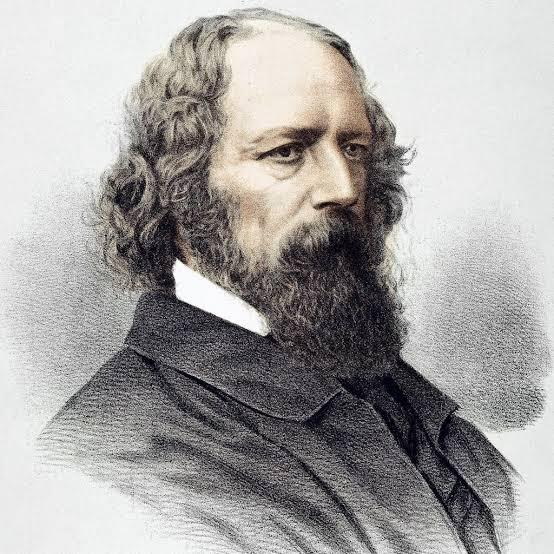
লর্ড আলফ্রেড টেনিসন ১৮০৯ সালে ইংল্যান্ডের লিঙ্কনশায়ারে জন্মগ্রহণ করেন। তাঁর পিতা জর্জ ক্লেটন টেনিসন ছিলেন একজন ধর্মযাজক। তাঁর মাতা এলিজা টেনিসন ছিলেন একটি সম্মানিত পরিবারের সদস্য। টেনিসন ছোটবেলায় পারিবারিক নানা সমস্যার মুখোমুখি হন। তিনি লাউথ গ্রামার স্কুলে পড়াশোনা করেন এবং পরে ক্যামব্রিজ বিশ্ববিদ্যালয়ের ট্রিনিটি কলেজে ভর্তি হন। ক্যামব্রিজে পড়ার সময়ই তিনি বন্ধু আর্থার হেনরি হলামের সাথে পরিচিত হন, যিনি তাঁর জীবনে গভীর প্রভাব ফেলেন। ১৮৩০ সালে টেনিসন তাঁর প্রথম কাব্যগ্রন্থ Poems, Chiefly Lyrical প্রকাশ করেন। তাঁর বিখ্যাত কাব্যের মধ্যে রয়েছে In Memoriam A.H.H., Locksley Hall, The Lotos-Eaters, এবং Ulysses। ১৮৫০ সালে টেনিসন ইংল্যান্ডের পোয়েট লরিয়েট নিযুক্ত হন। পরে ১৮৮৪ সালে তাকে Baron উপাধি দিয়ে Lord পদবীও দেওয়া হয়। তিনি ১৮৯২ সালে মৃত্যুবরণ করেন। টেনিসন আজও ভিক্টোরিয়ান ইংরেজি সাহিত্যের অন্যতম শ্রেষ্ঠ কবি হিসেবে স্মরণীয়।
Lord Alfred Tennyson was born in 1809 in Lincolnshire, England. His father, George Clayton Tennyson, was a clergyman. His mother, Elizabeth Tennyson, was a member of a respectable family. Tennyson faced various family problems during his childhood. He studied at Louth Grammar School and later enrolled at Trinity College, Cambridge. While studying at Cambridge, he became acquainted with Arthur Henry Hallam, who had a profound impact on his life. In 1830, Tennyson published his first collection of poems, Poems, Chiefly Lyrical. His famous works include In Memoriam A.H.H., Locksley Hall, The Lotos-Eaters, and Ulysses. In 1850, Tennyson was appointed the Poet Laureate of England. Later, in 1884, he was granted the title of Baron and was addressed as Lord. He passed away in 1892. Tennyson is still remembered as one of the greatest poets of Victorian English literature.
আরো পড়ুনঃ The Lotos-Eaters Bangla Summary
Locksley Hall
Key Facts:
- Writer: Lord Alfred Tennyson (1809-1892)
- Title of the Author:
- Poet Laureate of the United Kingdom (1850-1892)
- One of the most prominent Victorian poets
- Representative poet of the Victorian Age.
- Full Title: Locksley Hall
- Written Time: 1835
- Published date: 1842. Tennyson’s collection titled “Poems”.
- Total Lines: 194
- Genre: Dramatic monologue as a set of 97 couplets.
- Tone: Romantic, Reflective, Optimistic, Melancholic
- Point of view or position: First person or subjective point of view.
- Technical excellence of the poem: Melancholic reflection.
- Source of the idea of the poem: Tennyson has taken his idea of the poem “Locksley Hall” from “Moallakat” or “Muallaqak”, which is a suspended poem of Arabian Literature and was composed in nearly seventh century and hung up in the Temple at Mecca.
- Setting:
- Time Setting: During the narrator’s youth, reflecting on past events
- Place Setting: The poem is set in a fictional location, Locksley Hall, a country house, with a broader setting suggested as a symbolic space for romantic hope and reflection.
Key Notes:
- What is Locksley Hall in the poem?
No definite mansion or castle is meant, but its imaginary situation is described.
- Lord: আলফ্রেড টেনিসন যখন তার সাহিত্যকীর্তির জন্য খুব বিখ্যাত হয়ে ওঠেন, তখন ব্রিটেনের রানী ভিক্টোরিয়া তাকে বিশেষ সম্মান দেন। ১৮৮৪ সালে তাকে “ব্যারন” (Baron) উপাধি দেওয়া হয় এবং তিনি “লর্ড টেনিসন” নামে অভিহিত হন। Baron উপাধি পেলে নামের আগে Lord বসে। Baron হওয়ার জন্য কবিতা লেখা বা সাহিত্যিক হওয়া জরুরি নয় — যেকোনো গুরুত্বপূর্ণ অবদানের জন্য এই সম্মান পাওয়া যায়। Baron হলো একটি রাজকীয় উপাধি (noble title)। এটি রাজা বা রানি কাউকে সম্মান দেখিয়ে দেন। ইংল্যান্ডে যারা রাজপরিবার বা সরকারের কাছ থেকে এমন বিশেষ উপাধি পান, তাদের নামের আগে “লর্ড” বলা হয়। এজন্যই টেনিসনের পুরো নাম হয় “লর্ড আলফ্রেড টেনিসন।”
- Poet Laureate: Poet Laureate হলো জাতীয় কবির সম্মানসূচক পদ। সাধারণত দেশের সবচেয়ে বিখ্যাত কবিকে Poet Laureate বানানো হয়। তার কাজ হলো বিশেষ বিশেষ জাতীয় অনুষ্ঠান বা উৎসবের জন্য কবিতা লেখা। এটি মূলত সাহিত্যিক অবদানের জন্য প্রদত্ত সম্মান। Poet Laureate হওয়ার সঙ্গে কোনো রাজকীয় উপাধি (যেমন Baron, Duke) সরাসরি জড়িত নয়। রাজা/রানি বা সরকার এই উপাধি দেন।
| Title | Fields of Work |
| 1. King / Queen (রাজা / রানি) | দেশের সর্বোচ্চ শাসক। পুরো রাজ্যের মালিক ও সর্বময় কর্তৃত্ব। |
| 2. Prince / Princess (রাজপুত্র / রাজকন্যা) | রাজা বা রানির সন্তান বা কাছের আত্মীয়। ভবিষ্যতে রাজা বা রানি হওয়ার সম্ভাবনা থাকে। |
| 3. Duke / Duchess (ডিউক / ডাচেস) | রাজপরিবারের পরে সবচেয়ে উচ্চ মর্যাদার উপাধি। সাধারণত বিশাল অঞ্চল (Duchy) এর শাসক। উদাহরণ: Duke of Wellington, Duke of Edinburgh। |
| 4. Marquess / Marchioness (মারকুইস / মারকুইনেস) | Duke-এর ঠিক পরে আসে। সীমান্তবর্তী এলাকায় প্রশাসনিক দায়িত্বে থাকত। উদাহরণ: Marquess of Salisbury। |
| 5. Earl / Countess (আর্ল / কাউন্টেস) | Marquess-এর পরে মর্যাদা। ইউরোপের “Count” এর সমতুল্য। উদাহরণ: Earl of Derby, Earl of Sandwich। |
| 6. Viscount / Viscountess (ভিসকাউন্ট / ভিসকাউন্টেস) | Earl-এর নিচে। সাধারণত ছোট অঞ্চলের শাসক বা প্রশাসনিক নেতা। উদাহরণ: Viscount Nelson। |
| 7. Baron / Baroness (ব্যারন / ব্যারনেস) | সবচেয়ে নিচের রাজকীয় বা অভিজাত উপাধি। ছোট এলাকা বা জমির মালিক। Baron-দের সাধারণত Lord বলে সম্বোধন করা হয়। উদাহরণ: Baron Tennyson → Lord Alfred Tennyson। |
| 8. Poet Laureate | Poet Laureate হলো জাতীয় কবির সম্মানসূচক পদ। রাজা/রানি বা সরকার এই উপাধি দেন। |
Backgriound: Alfred Lord Tennyson “Locksley Hall” কবিতাটি লেখেন ১৮৩৫ সালে, যখন তাঁর বয়স ছিল ২৬ বছর। কবিতাটি তাঁর ব্যক্তিগত জীবন, প্রেমে অসফলতা ও তরুণ বয়সের হতাশা দ্বারা অনুপ্রাণিত। তাঁর প্রথম ভালোবাসা এমিলি সেলউড-এর সঙ্গে সম্পর্ক ভেঙে যাওয়ার দুঃখ, সমাজ ও ভবিষ্যৎ সম্পর্কে তার আশা-নিরাশার সমন্বয়ে Tennyson এই কবিতাটি লেখেন। Tennyson ব্রিটিশ সমাজ ও সভ্যতার ভবিষ্যৎ, বৈজ্ঞানিক উন্নয়ন, প্রেমে ব্যর্থতার বেদনা এবং জীবনের মানে – এসব নিয়ে এই কবিতাটি লেখেন।
Alfred Lord Tennyson wrote the poem “Locksley Hall” in 1835, when he was 26 years old. The poem was inspired by his personal life, his failure in love, and the frustrations of youth. The sadness from his broken relationship with his first love, Emily Sellwood, combined with his hopes and disappointments about society and the future, led Tennyson to write this poem. Tennyson wrote this poem about the future of British society and civilization, scientific advancement, the pain of failed love, and the meaning of life.
Characters
- The Speaker: The central figure in the poem is an unnamed young man (often considered to reflect Tennyson himself). He returns to his childhood home, Locksley Hall, and expresses his emotions, memories, and reflections about love, disappointment, and the future.
- Amy: Amy is the speaker’s former beloved. She chose to marry another man under family pressure. Amy is never directly present but is remembered with longing, regret, and pain by the speaker.
- Amy’s Husband (and Family): Though not named, Amy’s husband and her family play a role in her life choices. The speaker refers to them as being responsible for separating him from Amy.
বাংলা সামারি
স্পিকারের Locksley Hall-এ আগমন ও স্মৃতিচারণা: স্পিকার তার শৈশবের প্রাসাদ Locksley Hall-এ এসে তার সঙ্গীদের বলে, তারা যেন সকালে ফিরে আসা পর্যন্ত তাকে একা রেখে যায়। এখানে এসে তার ছেলেবেলা ও যৌবনের দিনগুলোর কথা মনে পড়তে থাকে। তার মনে পড়ে সেই সুন্দর সময়গুলো, যখন সে জানালার পাশে বসে আকাশে তারা (Orion এবং Pleiads) দেখত এবং সমুদ্র উপকূলে ঘুরে বেড়াত। তখন বিজ্ঞান, রূপকথার গল্প আর ভবিষ্যৎ স্বপ্নই তার আনন্দের উৎস ছিল।
অ্যামির সাথে প্রেম ও প্রতিশ্রুতি: যুবক বয়সে কবি তার চাচাতো বোন অ্যামিকে ভালবাসত এবং সে এই প্রেমের কথা অ্যামিকে জানায়। অ্যামিও তার প্রেম স্বীকার করে এবং বলে, সেও বহুদিন ধরেই গোপনে ভালোবেসে এসেছে। এই প্রেম কবির কাছে পৃথিবীকে আরও সুন্দর করে তোলে। তারা প্রাকৃতিক সৌন্দর্য উপভোগ করত, জলাভূমি আর সমুদ্রের ধারে সময় কাটাত, এবং তাদের সম্পর্ক ছিল গভীর ও আন্তরিক।
অ্যামির বিবাহ ও বেদনা: অবশেষে সামাজিক ও পারিবারিক চাপে অ্যামি অন্য একজনকে বিয়ে করতে বাধ্য হয়। অ্যামি তার বাবার হুমকি এবং মায়ের তিরস্কার এর কাছে আত্মসমর্পণ করেন। তার প্রেমিককে ছেড়ে সে অন্য একজনকে বিয়ে করে। কবি এ নিয়ে গভীর বেদনা অনুভব করেন এবং অ্যামির স্বামীর রুক্ষতা, সীমাবদ্ধতা ও সাধারণতাকে তীব্রভাবে সমালোচনা করেন। তিনি মনে করেন, অ্যামির মধ্যে থাকা সূক্ষ্ম অনুভূতি ওই স্বামীর কারণে ধীরে ধীরে হারিয়ে যাবে।
অ্যামির ভবিষ্যৎ জীবনের দুর্দশার কল্পনা: কবি দুঃখ-রাগে মনে করেন, অ্যামির স্বামী একদিন আর তাকে ভালবাসবে না, বরং তার কাছে অ্যামি থাকবে সাধারণ একটা পশুর চেয়েও কম দামী। পুরনো ভালোবাসার স্মৃতি অ্যামির শান্তি নষ্ট করবে, সে কষ্ট পাবে, এবং নিজের করা ভুলের জন্য অনুতপ্ত হবে। কবি প্রাক্তন প্রেমিকাকে ভুলে যেতে চাইলেও, সেই স্মৃতি তার মনে কষ্টের কারণ হয়ে রয়ে যায়।
সমাজ ও ভিক্টোরিয়ান জীবনব্যবস্থার সমালোচনা: কবি অ্যামির বিয়েকে কেন্দ্র করে ভিক্টোরিয়ান সমাজের কৃত্রিমতা ও বস্তুবাদী মানসিকতার কঠোর সমালোচনা করেন। তিনি মনে করেন, এখানে ভালোবাসার থেকে টাকা, সামাজিক মর্যাদা ও প্রতিষ্ঠাই বেশি গুরুত্বপূর্ণ—এ কারণে সমাজে সত্যিকারের প্রেমের কোনো মূল্য নেই। এই সমাজে মানুষকে তার ধনসম্পদ ও ক্ষমতা অনুসারে বিচার করা হয়।
স্মৃতি ও ভুলে যাওয়ার চেষ্টা: স্পিকার বুঝতে পারেন, পুরনো সুখের স্মৃতি কেবল কষ্টই বাড়ায়। তিনি নিজেকে ও অ্যামিকে বলেন, অতীত ভুলে যেতে। কবি জানেন, তার সঙ্গীরা যদি এই প্রেম-বিচ্ছেদের কথা জানে, তারা তাকে নিয়ে ঠাট্টা-মশকরা করবে। তাই তিনি মনের যন্ত্রণা গোপন করেই এগিয়ে যেতে চান।
আশাভরা ভবিষ্যৎ ও বাস্তবতায় প্রত্যাবর্তন: কবি আরো অনুভব করেন, পৃথিবীর সবকিছু বদলে গেছে—সবকিছুর মূল অর্থ দাঁড়িয়ে গেছে ধন-সম্পদ ও অর্থনৈতিক অবস্থানে। তিনি হতাশ হয়ে গেলেও মনে করেন, ভবিষ্যতের জন্য আশাবাদী হওয়াটাই ভালো। তিনি বড় হয়ে সাহস নিয়ে সামনে এগিয়ে যেতে চান। বৈজ্ঞানিক ও সামাজিক অগ্রগতির স্বপ্নকে আঁকড়ে ধরে বলেন—“Let the great world spin for ever down the ringing grooves of change.”
কবির স্মৃতির বিদায় ও সামনে এগিয়ে চলা: এখানে স্পিকার বলেছেন যে তিনি ভারতে জন্মান, তার বাবা “Mahratta battle”-এ (মহারাট্টা যুদ্ধ) মারা যান এবং তিনি অনাথ হয়ে চাচার কাছে বড় হন। স্পিকার বর্ণনা করছেন, এমন এক আদর্শিক/কাল্পনিক জায়গায় যাবেন যেখানে বাণিজ্য, ইউরোপীয় সাম্রাজ্য নেই—শুধু প্রকৃতির শান্তি-সৌন্দর্য আছে। শেষ পর্যন্ত তিনি স্বীকার করেন, বাস্তব জীবন তার সত্যিকারের জায়গা এবং সে ভবিষ্যতের পথে এগিয়ে যেতে চায়। তাই সবশেষে, স্পিকার Locksley Hall-কে চূড়ান্তভাবে বিদায় জানান। অতীতের স্মৃতি, ব্যর্থ প্রেম ও কষ্ট ভুলে তিনি একটি নতুন জীবনের দিকে এগিয়ে যেতে দৃঢ়প্রতিজ্ঞ হন, আর বিবর্তনশীল বিশ্বে নিজের ভবিষ্যত গড়ে তুলতে সাহস খুঁজে পান।
English Summary
The Speaker’s Arrival at Locksley Hall and Recollection of Memories: The speaker arrives at his childhood mansion, Locksley Hall, and tells his companions to leave him alone until morning. Being there brings back memories of his childhood and youth. He recalls the beautiful times when he would sit by the window and watch the stars (Orion and the Pleiads) in the sky, or wander along the seashore. Back then, stories of science, fairy tales, and dreams of the future were his sources of delight.
Love and Promise with Amy: In his youth, the poet (speaker) loved his cousin Amy and confessed his feelings to her. Amy also admitted her love, saying she had secretly loved him for a long time. This love made the world even more beautiful for the poet. They enjoyed the beauty of nature together, spending time by the wetlands and the sea, and shared a deep and sincere relationship.
Amy’s Marriage and Sorrow: Eventually, due to social and family pressure, Amy was forced to marry someone else. Amy surrendered to her father’s threats and her mother’s reproaches, leaving her lover to marry another man. The poet felt deep sorrow over this and strongly criticized the roughness, narrow-mindedness, and mediocrity of Amy’s husband. He believes that the fine feelings within Amy would gradually be lost because of her husband.
Imagining Amy’s Future Misery: In pain and anger, the poet imagines that Amy’s husband will one day stop loving her and will value her as less than an ordinary animal. The memories of her old love will disturb Amy’s peace, she will suffer, and she will regret her choices. Although the poet wants to forget his former beloved, those memories remain a source of pain for him.
Criticism of Society and Victorian Life: The poet uses Amy’s marriage to harshly criticize the artificiality and materialistic mentality of Victorian society. He believes that here, money, social status, and achievement are more important than love—so there is no real value for true love in this society. People are judged based on their wealth and power.
আরো পড়ুনঃ Spring and Fall Bangla Summary
Memories and the Attempt to Forget: The speaker realizes that happy memories from the past now only bring him pain. He tells himself and Amy to forget the past. He knows that if his companions found out about this lost love, they would mock him. So, he chooses to keep his emotional suffering hidden and tries to move forward with life.
Hope for the Future and the Return to Reality: The poet further feels that everything in the world has changed—now, money and financial status are the main standards for judging people. Although he feels disappointed by this, he reminds himself that it is better to remain hopeful about the future. He wants to face life with maturity and courage. Dreaming of scientific and social progress, he proclaims—“Let the great world spin for ever down the ringing grooves of change.”
Farewell to Memories and Moving Forward: Here, the speaker says that he was born in India, that his father died in the “Mahratta battle,” and that he was raised as an orphan by a selfish uncle. The speaker describes his longing for an ideal or imaginary land where there is no trade, no European empire—only the peace and beauty of nature. In the end, however, he admits that real life is his true place, and he wants to step boldly into the future. So, at last, the speaker bids a final goodbye to Locksley Hall. He becomes resolute, determined to leave his old memories, failed love, and pain behind, and looks ahead with courage to build his own future in a changing world.
Themes
- Lost Love and Heartbreak: The speaker loved Amy very much, but she married someone else. He feels sad, lonely, and angry because of this. The poem shows how lost love can hurt deeply. Sometimes, we have to let go of people we love, even if it makes us unhappy.
- Dreams for the Future: The speaker thinks about the future with hope. He imagines a world full of new ideas, inventions, and peace. He wants life to get better for everyone. This poem says it is good to look ahead and dream about what the world can become, even after sadness.
- Criticism of Society: The speaker is upset because people only care about money and status. He feels society does not value true love or real feelings. People marry for wealth, not for love. The poem teaches that caring about money too much can make people forget what is truly important.
- Nature and Memory: Nature is a big part of the speaker’s memories. He remembers walks by the sea, seeing birds and stars, and being young and happy. Nature helps him remember his best days and his sadness. The poem shows that nature and old memories can deeply affect our feelings.
থিমসমূহ
- হারানো প্রেম ও হৃদয়ভঙ্গ: স্পিকার অ্যামিকে খুব ভালোবাসত, কিন্তু অ্যামি অন্য কাউকে বিয়ে করে ফেলে। তাই সে দুঃখ, একাকীত্ব আর রাগ অনুভব করে। কবিতাটি দেখায়, হারানো প্রেম কতটা কষ্ট দেয়। মাঝে মাঝে, আনন্দের জন্য হলেও ভালোবাসার মানুষকে ছাড়তে হয়।
- ভবিষ্যতের স্বপ্ন: স্পিকার ভবিষ্যত নিয়ে আশা করে ভাবনা চিন্তা করে। সে নতুন নতুন আবিষ্কার, শান্তি আর ভালো জীবনের কল্পনা করে। সবাই ভালো থাকুক, সে এমন চায়। কবিতাটি শেখায়, কষ্টের পরও সামনে তাকানো, আর কল্পনায় সুন্দর ভবিষ্যতের স্বপ্ন দেখা ভালো।
- সমাজের সমালোচনা: স্পিকার কষ্ট পান কারণ মানুষ শুধু টাকা আর অবস্থানকে গুরুত্ব দেয়। তার মনে হয়, সমাজে সত্যিকারের ভালবাসা বা অনুভূতির দাম নেই। অনেকে টাকার জন্য বিয়ে করে, ভালবাসার জন্য নয়। কবিতাটি শেখায়, শুধু টাকাকেই গুরুত্ব দিলে, জীবনের আসল সুন্দর জিনিসগুলো হারিয়ে যায়।
- প্রকৃতি ও স্মৃতি: স্পিকারের স্মৃতিতে প্রকৃতি বড় জায়গা নেয়। সে সমুদ্রের ধারে হাঁটা, পাখি-তারা দেখা, আর ছোটবেলার সুখ-দুঃখ মনে রাখে। প্রকৃতি তার ভাল দিন ও দুঃখের কথা মনে করিয়ে দেয়। কবিতাটি জানায়, প্রকৃতি আর পুরনো স্মৃতি আমাদের অনুভূতিকে গভীরভাবে ছুঁয়ে যায়।
Quotes
“In the Spring a young man’s fancy lightly turns to thoughts of love.”
Explanation: This famous line means that in spring, young people naturally begin to think about love and new beginnings.
“বসন্তকালে তরুণের মন স্বাভাবিকভাবেই ভালোবাসার চিন্তায় ডুবে যায়।”
ব্যাখ্যা: এই লাইনটি বোঝায়, ঋতু বদলের সাথে সাথে তরুণ মনে প্রেমের নতুন জোয়ার আসে; প্রেমবোধ স্বাভাবিকভাবেই জাগে।
“O my cousin, shallow-hearted! O my Amy, mine no more!”
Explanation: The speaker laments that Amy, whom he loved, is no longer his. He feels hurt and calls her “shallow-hearted” because she left him for someone else.
“ও আমার কাজিন, হালকা হৃদয়ের! ও আমার অ্যামি, এখন আর তুমি আমার নও!”
ব্যাখ্যা: স্পিকার অ্যামিকে দোষ দেন যে সে তাকে ভুলে গেছে এবং এখন তার কেউ নয়, এজন্য তার মনে গভীর বেদনা।
“For I dipt into the future, far as human eye could see,”
Explanation: The speaker hopes for the future. He looks ahead and dreams of the amazing progress and new things that could come to the world.
“আমি ভবিষ্যতের দিকে তাকালাম, যত দূর মানুষ দেখতে পারে,”
ব্যাখ্যা: এখানে ভবিষ্যৎ নিয়ে কবির আশার কথা বলা হয়েছে—তিনি বিশ্বাস করেন, সামনে অনেক ভালো কিছু আসবে।
“Cursed be the social wants that sin against the strength of youth!”
Explanation: The speaker is angry at social rules and expectations that destroy the joy and strength of young people.
“অভিশাপ হোক সে সামাজিক চাহিদার, যা তারুণ্যের শক্তির বিরুদ্ধে পাপ করে!”
ব্যাখ্যা: স্পিকার এখানে সমাজের কৃত্রিম নিয়ম-রীতিকে দোষ দিচ্ছেন যা তরুণদের স্বাধীনতা ও স্বপ্নকে হত্যা করে।
“Let the great world spin for ever down the ringing grooves of change.”
Explanation: The speaker hopes the world will always keep changing and moving forward, bringing progress and new opportunities.
“বিশ্ব ঘুরে যাক নতুন পরিবর্তনের ছন্দে, অবিরাম গতিতে এগিয়ে যাক।”
ব্যাখ্যা: পরিবর্তন আর উন্নতি থেমে থাকা উচিত নয়—এটি ভবিষ্যৎ নিয়ে আশাবাদের বার্তা দেয়।
“Knowledge comes, but wisdom lingers, and I linger on the shore.”
Explanation: The speaker says people may learn many things, but true wisdom comes slowly. Wisdom is harder to gain than knowledge.
“জ্ঞান আসে, কিন্তু প্রজ্ঞা দেরিতে আসে, আর আমি অপেক্ষায় থাকি।”
ব্যাখ্যা: মানুষ অনেক কিছু শিখতে পারে, কিন্তু আসল বুদ্ধিমত্তা ও উপলব্ধি পেতে সময় লাগে।
“A sorrow’s crown of sorrow is remembering happier things.”
Explanation: Remembering past happiness makes one’s current sadness feel even deeper.
“কষ্টের মধ্যে সবচেয়ে বড় কষ্ট হলো, আনন্দের সেই পুরনো দিনের কথা মনে করা।”
ব্যাখ্যা: দুঃখের সময়ে সুখের স্মৃতিগুলোকে মনে পড়া মানুষকে আরও বেশি কষ্ট দেয়।
“The heavens fill with commerce, argosies of magic sails…”
Explanation: The poet imagines a future where the sky will be full of airships carrying goods, showing the progress of science and trade.
“আকাশ বাণিজ্যে ভরে ওঠে, যাদুকরি পালতোলা জাহাজে…”
ব্যাখ্যা: কবি ভবিষ্যতের কথা কল্পনা করছেন, যখন আকাশেও ব্যবসার জাহাজ চলবে—এটি বিজ্ঞান ও অগ্রগতির প্রতীক।
“Woman is the lesser man.”
Explanation: The speaker makes an unfair claim that women are less than men, reflecting the gender prejudice of that era.
“নারী হলো ছোটো বা কমতর পুরুষ।”
ব্যাখ্যা: এখানে স্পিকার সেই সময়ের সাম্প্রদায়িক ধারণা প্রকাশ করছেন, যেখানে নারীদের পুরুষদের তুলনায় কম গুরুত্বপূর্ণ ভাবা হত—এটি লিঙ্গ বৈষম্যের ইঙ্গিত।
“Forward, forward let us range”
Explanation: The speaker encourages everyone to keep moving ahead, always looking toward improvement and new opportunities.
“এগিয়ে চলো, এগিয়ে চলো, সামনে এগিয়ে যাই।”
ব্যাখ্যা: কবি উৎসাহ দেন—পিছনে না তাকিয়ে, উন্নতির দিকে, সামনে এগিয়ে যেতে হবে।
Literary Terms:
- Dramatic Monologue: A dramatic monologue is a poem where a single speaker speaks to a silent listener or listeners. The Speaker reveals his feelings, thoughts, and story. In “Locksley Hall,” the speaker shares his personal experiences, emotions, and hopes directly with the readers, as if talking to us.
- Lyric Poem: A lyric poem is a short or long poem expressing personal feelings and emotions. “Locksley Hall” is a lyric poem because it expresses the deep emotions, memories, and dreams of the speaker.
Figures of Speech
- Personification: Giving human qualities to non-human things. Example: “Let the great world spin forever down the ringing grooves of change.” The “world” is given the power to “spin” and move like a living being.
- Metaphor: A direct comparison without using like or as. Example: “Knowledge comes, but wisdom lingers, and I linger on the shore.” Waiting for wisdom is compared to standing on the shore, watching the sea.
- Simile: A comparison using “like” or “as.” Example: “As moonlight unto sunlight, and as water unto wine.” The speaker compares a woman’s passion to moonlight and his own to sunlight.
- Imagery: Descriptive language that appeals to our senses. Example: “I saw the Pleiads, rising thro’ the mellow shade, / Glitter like a swarm of fire-flies tangled in a silver braid.” Creates pictures of stars sparkling like fireflies.
- Symbols
- Locksley Hall Itself: Symbolizes childhood memories, lost happiness, and the pain of remembering the past
- Amy: Represents lost love, heartbreak, and the consequences of social expectations.
- The Sea and Stars: Symbolize hope, dreams, the journey of life, and the endless nature of change.
- Spring Season: Symbolizes new beginnings, love, and the natural cycle of emotions.
- The “ringing grooves of change”: Symbolizes unstoppable progress, the rise of technology, and the movement toward the future.
Line by Line Analysis
“Comrades, leave me here a little, while as yet ‘t is early morn:”
বন্ধুরা, এখনও সকাল; আমাকে অল্পক্ষণ এখানে একা থাকতে দাও।
“Leave me here, and when you want me, sound upon the bugle-horn.”
আমাকে এখানেই রেখে যাও, আর যখন দরকার হবে, বাঁশি বাজিয়ে আমাকে ডাক দিও।
“’T is the place, and all around it, as of old, the curlews call,”
এই সেই জায়গা, যেখানে আজও আগের মতো কর্কশ সুরে কার্লু (লম্বা ঠোঁটওয়ালা) পাখি ডাকছে চারপাশে।
“Dreary gleams about the moorland flying over Locksley Hall;”
চরের ওপরে ম্লান আলো ছড়িয়ে পড়েছে, যা লক্সলি হলের আকাশে ভেসে যাচ্ছে।
“Locksley Hall, that in the distance overlooks the sandy tracts,”
দূরে দাঁড়িয়ে থাকা লক্সলি হল বিস্তৃত বালুময় মাঠের দিকে তাকিয়ে আছে।
“And the hollow ocean-ridges roaring into cataracts.”
আর সমুদ্রের ফাঁপা ঢেউগুলো গর্জন করে নিচে ঝরনার মতো পড়ে যাচ্ছে।
“Many a night from yonder ivied casement, ere I went to rest,”
অনেক রাতে আমি ঐ লতাযুক্ত জানালার পাশে দাঁড়িয়ে থাকতাম, ঘুমোতে যাওয়ার আগে।
“Did I look on great Orion sloping slowly to the West.”
আমি দেখতাম বিশাল ওরিয়ন নক্ষত্রপুঞ্জ কীভাবে ধীরে ধীরে পশ্চিম আকাশে হেলে পড়ে।
“Many a night I saw the Pleiads, rising thro’ the mellow shade,”
অনেক রাতে আমি প্লেইয়াডস (উজ্জ্বল নক্ষত্রের দল) নক্ষত্রদের দেখতাম ধূসর আকাশের মাঝ দিয়ে ওপরে উঠছে।
“Glitter like a swarm of fire-flies tangled in a silver braid.”
তারা ঝলমল করত, যেন রূপার সুতোয় জড়ানো জোনাকির ঝাঁক।
“Here about the beach I wander’d, nourishing a youth sublime”
এই সৈকতের ধারে আমি ঘুরে বেড়াতাম, উচ্চাকাঙ্ক্ষায় ভরা তরুণ মন নিয়ে।
“With the fairy tales of science, and the long result of Time;”
বিজ্ঞান আর সময়ের বিস্ময়কর গল্পে মগ্ন ছিলাম, যেন সেগুলোই আমার স্বপ্ন।
“When the centuries behind me like a fruitful land reposed;”
যখন আমার পেছনের শতাব্দীগুলোকে মনে হত উর্বর জমির মতো বিশ্রামরত।
“When I clung to all the present for the promise that it closed:”
যখন আমি বর্তমানকে আঁকড়ে ধরেছিলাম, কারণ তাতেই ছিল ভবিষ্যতের আশা।
“When I dipt into the future far as human eye could see;”
আমি ডুব দিয়েছিলাম ভবিষ্যতের দিকে, যতটা মানুষের চোখ দেখতে পারে।
“Saw the Vision of the world and all the wonder that would be.—”
সেখানে আমি দেখেছিলাম বিশ্বের এক মহাজাগতিক ছবি এবং তার বিস্ময়কর ভবিষ্যৎ।
“In the Spring a fuller crimson comes upon the robin’s breast;”
বসন্ত এলে রাবিন পাখির বুকে আরও গাঢ় লাল রং ফুটে ওঠে।
“In the Spring the wanton lapwing gets himself another crest;”
বসন্তে বাঁধনহীন ল্যাপউইং পাখিটি তার মাথায় নতুন পালকের ঝুঁটি তোলে।
“In the Spring a livelier iris changes on the burnish’d dove;”
বসন্তে উজ্জ্বল কবুতরের গায়ে আরও প্রাণবন্ত বর্ণের পরিবর্তন দেখা যায়।
“In the Spring a young man’s fancy lightly turns to thoughts of love.”
বসন্তকালে তরুণদের মন সহজেই ভালোবাসার চিন্তায় ভেসে যায়।
(এই অংশে কবি তাঁর বন্ধুবান্ধবদের একটু সময়ের জন্য তাকে একা থাকতে বলেন, কারণ পরিবেশ ও সকালবেলা তার মনে পুরনো দিনের স্মৃতি ফিরিয়ে দিচ্ছে। তিনি লক্সলি হল এবং তার চারপাশের প্রকৃতিকে আগের মতোই দেখতে পান—পাখির ডাক, মাঠের বিষণ্ন আলো, আর সমুদ্রের গর্জন যেন সময়কে থামিয়ে রেখেছে। কবি স্মরণ করেন, কীভাবে তিনি রাতের আকাশে ওরিয়ন আর প্লেইয়াডস নক্ষত্র দেখে বিস্ময়ে ভাবতেন। ছোটবেলায় তিনি সৈকতের ধারে হাঁটতে হাঁটতে স্বপ্ন দেখতেন বিজ্ঞানের গল্প এবং ভবিষ্যতের রহস্য নিয়ে। তিনি অতীতকে উর্বর ভূমির মত দেখেছেন, যেখানে অতীত শান্ত ছিল আর বর্তমানের মধ্যে তিনি ভবিষ্যতের প্রতিশ্রুতি খুঁজে পেতেন। বসন্ত এলে যেমন প্রকৃতি নতুন রঙে জেগে ওঠে, তেমনি তরুণ মনও ভালোবাসার চিন্তায় ভেসে যায়—এই প্রেমময় আবহ কবিও অনুভব করেন। পুরো অংশজুড়ে কবি তাঁর যৌবনের ভাবনার জগৎ, প্রকৃতির সৌন্দর্য ও কল্পনার বিস্তার তুলে ধরেছেন।)
আরো পড়ুনঃ Felix Randal Bangla Summary
“Then her cheek was pale and thinner than should be for one so young,”
তখন তার মুখ ছিল ফ্যাকাসে আর বয়সের তুলনায় খুবই শুকনো।
“And her eyes on all my motions with a mute observance hung.”
তার চোখ চুপচাপ আমাকে দেখত, আমার প্রতিটি আচরণ গভীর মনোযোগে লক্ষ্য করত।
“And I said, ‘My cousin Amy, speak, and speak the truth to me,”
আমি বললাম, “আমার প্রিয় অ্যামি, আমাকে তোমার মনের কথা বলো, খোলাখুলি বলো।”
“Trust me, cousin, all the current of my being sets to thee.”
“আমার ওপর বিশ্বাস রাখো, আমার মন পুরোপুরি তোমার দিকেই ধাবিত।”
“On her pallid cheek and forehead came a colour and a light,”
তার বিবর্ণ গাল ও কপালে তখন আলো আর লাল রঙের আভা দেখা দিল।
“As I have seen the rosy red flushing in the northern night.”
যেমন আমি উত্তর রাতের (উত্তর মেরু বা উত্তর ইউরোপ-এর রাত) আকাশে গোলাপি আভা ছড়িয়ে পড়তে দেখছি।
“And she turn’d—her bosom shaken with a sudden storm of sighs—”
সে হঠাৎ ঘুরে দাঁড়াল—তার বুক যেন হঠাৎ নিঃশ্বাসের ঝড়ে কেঁপে উঠল।
“All the spirit deeply dawning in the dark of hazel eyes—”
তার কেশবর্ণ চোখে যেন আবেগের আলো ধীরে ধীরে প্রকাশ পাচ্ছিল।
“Saying, ‘I have hid my feelings, fearing they should do me wrong’;”
সে বলল, “আমি আমার অনুভব অনেক দিন চেপে রেখেছিলাম, ভয়ে যদি আমার অনুভুতি আমার কোনো ক্ষতি করে।”
“Saying, ‘Dost thou love me, cousin?’ weeping, ‘I have loved thee long.'”
সে কাঁদতে কাঁদতে বলল, “তুমি কি আমায় ভালোবাসো, চাচাতো ভাই? আমি কিন্তু অনেক দিন ধরেই তোমায় ভালোবাসি।”
“Love took up the glass of Time, and turn’d it in his glowing hands;”
ভালোবাসা যেন সময় ধরে সেটা নিজের মতো করে অনুভব করছিল—প্রতিটি মুহূর্ত সে উপভোগ করছিল।
“Every moment, lightly shaken, ran itself in golden sands.”
ঘড়ির প্রতিটি মুহূর্ত যেন ঝর্ণার মতো ঝরে পড়ল সোনালি বালির মধ্যে।
“Love took up the harp of Life, and smote on all the chords with might;”
ভালোবাসা যেন সময়কে নিজের মতো করে ধরে, প্রতিটি মুহূর্তকে গভীরভাবে উপভোগ করছিল।
“Smote the chord of Self, that, trembling, pass’d in music out of sight.”
ভালোবাসা নিজের অনুভূতির গভীর কোনো জায়গায় ছুঁয়ে দিল, আর সেই অনুভূতি কেঁপে উঠে ধীরে ধীরে হারিয়ে গেল এক ধরনের মধুরতা নিয়ে।
“Many a morning on the moorland did we hear the copses ring,”
চরের ধারে অনেক সকালে আমরা ঝোপের মাঝে পাখিদের ডাক শুনতাম।
“And her whisper throng’d my pulses with the fulness of the Spring.”
তার ফিসফিসানি আমার রক্তে বসন্তের মতো উৎসাহে, প্রাণ ভরিয়ে তুলত।
“Many an evening by the waters did we watch the stately ships,”
জলের ধারে বহু সন্ধ্যায় আমরা একসাথে রাজকীয় জাহাজগুলোকে দেখে মুগ্ধ হয়েছিলাম।
“And our spirits rush’d together at the touching of the lips.”
আর আমাদের আত্মা এক হয়ে গিয়েছিল, যখন আমাদের ঠোঁট একে অপরকে ছুঁয়েছিল।
(এই অংশে কবি তার প্রেমিকা অ্যামির সঙ্গে অতীতের গভীর প্রেমময় মুহূর্তগুলো স্মরণ করছেন। অ্যামি তখন চুপচাপ, মুখে ফ্যাকাসে ভাব, চোখে লুকানো আবেগ নিয়ে কবির দিকে তাকিয়ে থাকত। কবি তাকে মনের কথা বলার আহ্বান জানালে, সে অবশেষে কাঁদতে কাঁদতে বলেছিল, সে অনেক দিন ধরেই তাকে ভালোবাসে, কিন্তু ভয় থেকে সেটা চেপে রেখেছিল। এই প্রেমের অনুভব এত গভীর ছিল যে, মনে হচ্ছিল সময় থেমে গেছে, মুহূর্তগুলো সোনার মতো দামী হয়ে উঠেছিল। তাদের প্রেম যেন জীবনের সব সুরকে নাড়িয়ে দিয়েছিল। একসাথে তারা ভোরে পাখির ডাক শুনত, সন্ধ্যায় নদীর ধারে বসে জাহাজ দেখত, আর চুম্বনে তাদের আত্মিক মিলন ঘটেছিল। এই স্মৃতি আজও কবিকে আচ্ছন্ন করে রাখে—যেমন ছিল বসন্তের মতো এক স্বপ্নময় প্রেম।)
“O my cousin, shallow-hearted! O my Amy, mine no more!”
ওহ্ আমার কাজিন, হে হৃদয়হীন! হে আমার অ্যামি, তুমি তো আর আমার নও!
“O the dreary, dreary moorland! O the barren, barren shore!”
হায়, কী বিষণ্ন এই চর! কী বিষন্ন এই অনুর্বর তীর!
“Falser than all fancy fathoms, falser than all songs have sung,”
তুমি মিথ্যা, যত দূর কল্পনা পৌঁছাতে পারে তার থেকেও বেশি; যত গান মিথ্যার কথা বলে, তার থেকেও বেশি।
“Puppet to a father’s threat, and servile to a shrewish tongue!”
তুমি বাবার হুমকির পুতুল, আর একজন রাগী বা তিক্তভাষী নারীর কথার দাসী হয়েছিল।
“Is it well to wish thee happy?—having known me—to decline”
আমাকে ভালোভাবে চিনেও যেভাবে তুমি আমাকে ভুলে গিয়েছো, এখন কি তোমার সুখ কামনা করা উচিত?
“On a range of lower feelings and a narrower heart than mine!”
তুমি তো নেমে গেছ নিম্ন মানসিকতায়, সংকীর্ণ এক হৃদয়ে (স্বামীর)—আমার থেকে অনেক নিচে।
“Yet it shall be; thou shalt lower to his level day by day,”
তবুও তা-ই হবে; তুমি ধীরে ধীরে তার স্তরে নেমে যাবে প্রতিদিন।
“What is fine within thee growing coarse to sympathize with clay.”
তোমার ভিতরে যা ভালো ছিল, তাও ধীরে ধীরে নিষ্ঠুর হয়ে উঠবে, কাদার মতো নিচু ভাবনার সঙ্গে মিল খুঁজে পাবে।
“As the husband is, the wife is: thou art mated with a clown,”
যেমন স্বামী, তেমনই স্ত্রী হয়; আর তুমি একজন বোকা লোকের সঙ্গে জীবন কাটাচ্ছো।
“And the grossness of his nature will have weight to drag thee down.”
তাঁর রূঢ় স্বভাব তোমাকে ধীরে ধীরে নিচে নামিয়ে আনবে।
“He will hold thee, when his passion shall have spent its novel force,”
যখন তার নতুন ভালোবাসার ঝোঁক শেষ হয়ে যাবে, তখনও সে তোমায় (শুধু অধিকারের জোরে) নিজের করে রাখবে।
“Something better than his dog, a little dearer than his horse.”
তোমাকে সে হয়তো তার কুকুরের ও ঘোড়ার চেয়ে একটু বেশি ভালোবাসবে।
“What is this? his eyes are heavy; think not they are glazed with wine.”
এ কী? তার চোখ ভারী হয়ে এসেছে, কিন্তু ভাবো না যে সে মদ খেয়ে আছে।
“Go to him, it is thy duty, kiss him, take his hand in thine.”
তার কাছে যাও—এ তোমার দায়িত্ব। তাকে চুমু দাও, তার হাত ধরো।
“It may be my lord is weary, that his brain is overwrought:”
হয়তো তোমার প্রভু ক্লান্ত, তার মাথায় হয়ত বেশি চাপে কাজ করছে।
“Soothe him with thy finer fancies, touch him with thy lighter thought.”
তোমার কোমল চিন্তা দিয়ে তাকে শান্ত করো, হালকা কথায় তাকে সহানুভূতির ছোঁয়া দাও।
“He will answer to the purpose, easy things to understand—”
সে শুধু সহজ জিনিস বুঝবে (জটিল বা গভীর কিছু বললে সে বুঝবে না), আর শুধু সহজ কথারই জবাব দেবে।
“Better thou wert dead before me, tho’ I slew thee with my hand!”
এর চেয়ে বরং তুমিই আগে মারা যেতে, এমনকি যদি আমার হাতেই তোমার মৃত্যু হতো!
“Better thou and I were lying, hidden from the heart’s disgrace,”
এই ভালোবাসার অপমান সহ্য করার চেয়ে, আমাদের একসাথে কোথাও মরে লুকিয়ে থাকা ভালো হতো।
“Roll’d in one another’s arms, and silent in a last embrace.”
একে অপরকে বুকে জড়িয়ে, চিরদিনের মতো শেষ নিঃশব্দ আলিঙ্গনে।
(এই অংশে কবি তার কাজিন অ্যামির প্রতি গভীর ব্যথা আর অভিযোগের কথা বলেন। সে তাকে ভালবেসেছিল, কিন্তু অ্যামি তাকে ছেড়ে অন্য এক নিচু মানসিকতার পুরুষকে বিয়ে করেছে বলে কবির মনে হয়। কবি তাকে “হৃদয়হীন” বলে আক্ষেপ করেন, বলেন সে বাবার ভয় এবং রাগি মায়ের কথায় প্রভাবিত হয়ে ভালোবাসার জায়গা থেকে সরে গেছে। কবির দৃষ্টিতে এখন সে আগের মতো আর নেই—সে এক সংকীর্ণ হৃদয়ের অধিকারী লোকের স্ত্রীর ভূমিকা নিতে নিতে ধীরে ধীরে নিজেকেও নিচে নামিয়ে ফেলছে। স্বামীর রূঢ়তা তাকে গ্রাস করছে, ভালোবাসা ঘুচে গেছে, আর এখন সম্পর্কটা কেবল মানিয়ে নেওয়ার মধ্যেই সীমাবদ্ধ। কবি তীব্র কষ্টের সঙ্গে বলেন, এমন অপমানিত ভালোবাসার চেয়ে বরং তারা একসাথে মরে যেতেই পারতো—চুপচাপ শেষ এক আলিঙ্গনের মধ্যে। কবির ভেঙে পড়া আবেগ এখানে রূপ নেয় একধরনের আত্মসমালোচনা, অভিমান এবং রূঢ় বাস্তবতার মর্মস্পর্শী চিত্রে।)
“Cursed be the social wants that sin against the strength of youth!”
ধিক্কার ঐ সামাজিক চাহিদাগুলোকে যা তরুণদের শক্তির বিরুদ্ধে পাপ করে!
“Cursed be the social lies that warp us from the living truth!”
ধিক্কার সেই সামাজিক মিথ্যাকে যা আমাদের জীবন্ত সত্য থেকে সরিয়ে দেয়!
“Cursed be the sickly forms that err from honest Nature’s rule!”
ধিক্কার সেই অসুস্থ নিয়ম-কানুন, যা প্রকৃতির সৎ নিয়ম থেকে বিচ্যুতি ঘটায়!
“Cursed be the gold that gilds the straiten’d forehead of the fool!”
ধিক্কার সেই সোনাকে, যা শুধু বোকা মানুষের সঙ্কুচিত কপালকে সাজিয়ে তোলে!
“Well—’t is well that I should bluster!—Hadst thou less unworthy proved—”
ঠিকই তো, আমার রাগ করা বোধহয় স্বাভাবিকই! যদি তুমি নিষ্ঠুর হওয়ার চেয়ে একটু ভালো হতে…
“Would to God—for I had loved thee more than ever wife was loved.”
হে ঈশ্বর! আমি তো তোমায় এমনভাবে ভালবাসতাম, যেমন কোনো স্ত্রীকেও কেউ ভালোবাসে না।
“Am I mad, that I should cherish that which bears but bitter fruit?”
আমি কি পাগল, যে এমন কিছু ধরে রেখেছি, যা শুধু তিক্ত ফলই দেয়?
“I will pluck it from my bosom, tho’ my heart be at the root.”
তবুও আমি ওটা (কষ্টটাকে) আমার বুক থেকে ছিঁড়ে ফেলব, যদিও সেটা আমার হৃদয়ে গেথে আছে।
“Never, tho’ my mortal summers to such length of years should come
আমি যতদিনই বাঁচি না কেন, এমনকি যদি আমার জীবন অনেক দীর্ঘ হয়—
“As the many-winter’d crow that leads the clanging rookery home.”
যেমন বহু শীতের সাক্ষী এক কাক, যে সারাদিনের পর কাকদের ডাকা ভিড়ে বাড়ি ফেরে।
“Where is comfort? in division of the records of the mind?”
সান্ত্বনা কোথায়? নিজের স্মৃতিকে ভুলে যাওয়ার চেষ্টা বা মনের কষ্টটাকে ভাগ করলেই কি কোনো সত্যিকারের সান্ত্বনা আসে?
“Can I part her from herself, and love her, as I knew her, kind?”
আমি কি তাকে আগের ভালো মানুষটা ভেবে ভালোবাসতে পারি, যখন সে এখন সম্পূর্ণ বদলে গেছে?
“I remember one that perish’d; sweetly did she speak and move;”
আমি একটি মেয়েকে স্মরণ করি, যে এখন আর নেই; সে মিষ্টি কথা বলত আর কোমলভাবে চলাফেরা করত।
“Such a one do I remember, whom to look at was to love.”
তাকে দেখলেই ভালোবাসা জন্মাত—এমন একজনকেই আমি স্মরণ করি।
“Can I think of her as dead, and love her for the love she bore?”
আমি কি তাকে মৃত ভেবে, তার ভালোবাসার জন্য তাকে ভালোবাসতে পারি?
“No—she never loved me truly; love is love for evermore.”
না—সে কখনো আমায় সত্যিকার অর্থে ভালোবাসেনি; কারণ আসল ভালোবাসা চিরকাল থাকে।
“Comfort? comfort scorn’d of devils! this is truth the poet sings,”
সান্ত্বনা? ওই সান্ত্বনাকে তো রাক্ষসরাও ঘৃণা করে! কবি এটাকেই সত্য বলে গিয়েছেন।
“That a sorrow’s crown of sorrow is remembering happier things.”
দুঃখের শীর্ষে যে দুঃখ—তা হলো পুরনো সুখময় মুহূর্তগুলো মনে পড়া।
“Drug thy memories, lest thou learn it, lest thy heart be put to proof,”
স্মৃতিগুলোকে ঘুম পাড়িয়ে রাখো, না হলে হৃদয় সেটা অনুভব করবে আর যন্ত্রণা আরও বেড়ে যাবে।
“In the dead unhappy night, and when the rain is on the roof.”
যখন গভীর রাত, আর ছাদের ওপর বৃষ্টির শব্দ হচ্ছে—তখনই সবচেয়ে বেশি কষ্ট হয়।
“Like a dog, he hunts in dreams, and thou art staring at the wall,”
সে (তোমার স্বামী) ঘুমের মধ্যেই যেন কুকুরের মতো স্বপ্নে শিকার করে, আর তুমি চুপচাপ দেয়ালের দিকে তাকিয়ে থাকো।
“Where the dying night-lamp flickers, and the shadows rise and fall.”
সেই দেয়ালে মৃতপ্রায় বাতির আলো জ্বলে নিভে, আর ছায়ারা উঠানামা করে।
“Then a hand shall pass before thee, pointing to his drunken sleep,”
কারও অদৃশ্য ইশারা যেন তোমাকে দেখাবে, যে লোকটি তোমার স্বামী, সে মদে আচ্ছন্ন হয়ে ঘুমিয়ে আছে।
“To thy widow’d marriage-pillows, to the tears that thou wilt weep.”
তুমি যেই বিয়েটাকে ভেবেছিলে সুখের, সেখানে তুমি কান্না করে বালিশ ভিজাবে—সেই দুঃখের দিন আসবে।
“Thou shalt hear the ‘Never, never,’ whisper’d by the phantom years,”
তুমি অতীত দিনের কণ্ঠে শুনবে—“আর কখনো না, আর কখনো না।” মানে, পুরনো ভালো সময়গুলো আর কখনো ফিরে আসবে না।
“And a song from out the distance in the ringing of thine ears;”
আর দূর থেকে ভেসে আসা একটি গান (পুরনো ভালোবাসার স্মৃতি) তোমার কানে বজ্রের মতো বাজবে।
“And an eye shall vex thee, looking ancient kindness on thy pain.”
একটি চোখ তোমার দিকে দয়ার দৃষ্টিতে তাকাবে, আর সেটা তোমার কষ্ট বাড়াবে।
“Turn thee, turn thee on thy pillow; get thee to thy rest again.”
তখন তুমি কাত হয়ে শুয়ে পড়বে বালিশে—চেষ্টা করবে ঘুমিয়ে যেতে।
(এই অংশে কবি তাঁর ভাঙা হৃদয়ে দগ্ধ এক প্রেমিকের কণ্ঠে বলছেন—শুধু একজন নারীর বিশ্বাসভঙ্গ নয়, পুরো সমাজের মিথ্যা নিয়ম, অর্থের আধিপত্য ও তরুণদের সম্ভাবনা ধ্বংস করে দেওয়ার বিরুদ্ধে তাঁর ক্ষোভ প্রকাশ পাচ্ছে। কবি ভালোবাসায় সম্পূর্ণ ডুবে ছিলেন, কিন্তু তার ভালোবাসা সত্য ছিল না—তাই তিনি নিজেকেই প্রশ্ন করেন, “আমি কি পাগল ছিলাম যে এমন কিছু ধরে রেখেছিলাম, যা শুধু কষ্টই দিয়েছে?” তিনি বুঝতে পেরেছেন অ্যামি বাস্তব জীবনে ভালোবাসার গভীরতা বোঝেননি, সে ছিল একরকম চাপা আবেগ ও সমাজ-নিয়ন্ত্রিত সিদ্ধান্তের বলি। কবি ভবিষ্যদ্বাণী করেন—যে সম্পর্ককে অ্যামি সুখের আশায় বেছে নিয়েছিল, সেইখানেই সে এক সময় একাকীত্ব, হতাশা ও নিঃশব্দ কান্নায় ভরে উঠবে। রাতে যখন সে দেয়ালে তাকিয়ে থাকবে আর বাতি কাঁপবে, স্মৃতি তখনো তাকে তাড়িয়ে বেড়াবে। কবি বলেন, সেই সময় পুরনো দিনের সুন্দর মুহূর্তগুলো মনে হবে না ফেরার গান, আর শান্তি খুঁজে পাবে না—শুধু বিছানায় পড়ে থাকবে, ঘুমিয়ে সব ভুলে যেতে চাইবে। এই অনুচ্ছেদের প্রতিটি লাইন ভালোবাসার অপমান, আত্মগ্লানি, সমাজের ভণ্ডামি ও এক নারীর ভুল সিদ্ধান্তে একজন পুরুষের ভেঙে পড়া মনের প্রতিধ্বনি।)
“Nay, but Nature brings thee solace; for a tender voice will cry.”
না, তুমি একা নও—প্রকৃতি তোমাকে সান্ত্বনা দেবে, এক কোমল কণ্ঠস্বর (নতুন কিছু) তোমাকে ডাকবে।
“’T is a purer life than thine, a lip to drain thy trouble dry.”
সে (একটি শিশু) হবে তোমার থেকেও পবিত্র একটি জীবন—যার ঠোঁট তোমার দুঃখ শুষে নেবে।
“Baby lips will laugh me down; my latest rival brings thee rest.”
শিশুর ঠোঁট আমাকে উপহাস করবে; সেই শিশু-প্রতিদ্বন্দ্বীই তোমায় এখন শান্তি দিচ্ছে।(শিশুটির মুখ হাঁসবে, যেন সে আমাকে ভুলিয়ে দেবে।)
“Baby fingers, waxen touches, press me from the mother’s breast.”
শিশুর মোমের মতো কোমল আঙুল আমাকে ঠেলে দিয়েছে মায়ের (তোমার) বুক থেকে দূরে।
“O, the child too clothes the father with a dearness not his due.”
ওহ্, সেই সন্তান বাবার গায়েও এমন স্নেহের আবরণ দেয়, যা সে আদতেই পাওয়ার যোগ্য নয়।
“Half is thine and half is his: it will be worthy of the two.”
শিশুর অর্ধেক তোমার মতো, অর্ধেক তার মতো—তবু তোমাদের থেকেও সে ভালো মানুষ হবে।
আরো পড়ুনঃ The Lotos-Eaters Bangla Summary
“O, I see thee old and formal, fitted to thy petty part,”
আমি তোমাকে মনে করি বুড়িয়ে যাওয়া, নিয়ম-কানুনে আটকানো এক ছোট মানুষ। তুমি কেবল ছোট একটি ভূমিকার সাথে মানিয়ে নিয়েছো।
“With a little hoard of maxims preaching down a daughter’s heart.”
তোমার কাছে আছে কিছু নীতির কথা, যা দিয়ে তুমি তোমার মেয়ের মন চেপে বসো। তোমার কড়া পরামর্শ সব ভালোবাসা নষ্ট করে দেয়।
“They were dangerous guides the feelings—she herself was not exempt—”
তুমি বলো—“অনুভবরা বিপজ্জনক, এমনকি আমি নিজেও তার শিকার হয়েছিলাম।” মানে, তুমি অন্যকে দোষ দিয়ে নিজেকেও দোষমুক্ত করো না।
“Truly, she herself had suffer’d”—Perish in thy self-contempt!”
তুমি বলো—“হ্যাঁ, আমিও কষ্ট পেয়েছিলাম”—এই আত্মদুঃখে ডুবে মরো তুমি! তোমার এই আত্ম-অভিমান প্রশ্রয়ের যোগ্য না।
“Overlive it—lower yet—be happy! wherefore should I care?”
সব ভুলে যাও, আরও নিচে নেমে সুখী হও! আমি কেন তোমার জন্য ভাববো? তোমার জীবন এখন আমার চিন্তার বিষয় নয়।
“I myself must mix with action, lest I wither by despair.”
আমি নিজে এখন কাজের মাঝে ডুবে থাকতে হবে—না হলে হতাশায় শুকিয়ে যাব। বোঝাতে চাইছেন—চুপ বসে থাকা এখন আর সম্ভব নয়।
“What is that which I should turn to, lighting upon days like these?”
এমন দিনে আমি নিজেকে কোন দিকে ফেরাবো? মানে, চারদিকে এত খারাপ—আমি কোথায় যাব?
“Every door is barr’d with gold, and opens but to golden keys.”
প্রতিটি দরজা সোনায় বন্ধ—শুধু সোনার চাবিতেই খোলে। সব কিছুতেই এখন টাকার দাম, মানসিকতা নয়।
“Every gate is throng’d with suitors, all the markets overflow.”
প্রতিটি ফটকে ভিড় করছে স্বার্থপর লোকেরা, বাজার ভরা লোভে। সবাই শুধু নিজের লাভ খোঁজে—মনের কোন দাম নেই।
“I have but an angry fancy; what is that which I should do?”
আমার ভিতরে শুধু রাগ আর কল্পনা আছে। আমি এখন কী করব বুঝতে পারি না।
“I had been content to perish, falling on the foeman’s ground,”
আমি যদি শত্রুর মাটিতে পড়ে মরে যেতাম, তবুও শান্ত হতাম। মরতে হলে এমন সব যন্ত্রণার চেয়ে সম্মানে মরতে রাজি।
“When the ranks are roll’d in vapour, and the winds are laid with sound.”
যখন যুদ্ধের সারি কুয়াশায় ঢাকা থাকে, আর চারদিকে কেবল শব্দ—তবুও মরতাম তৃপ্ত মনে। কারণ সেটা হবে সাহসিকতার মৃত্যু, অপমানের নয়।
“But the jingling of the guinea helps the hurt that Honour feels,”
তবে, এখন টাকা-পয়সার ঝনঝনানি ভুলিয়ে দেয় মান-সম্মানের ব্যথা। সমাজ এখন অর্থকে প্রাধান্য দেয়, মূল্যবোধকে নয়।
“And the nations do but murmur, snarling at each other’s heels.”
দেশগুলো কেবল ফিসফিস করে, একে অন্যকে আড়ালে খোঁচা দেয়। প্রকৃত কর্ম বা সত্য প্রকাশ নেই—শুধু হিংসা-পরশ্রীকাতরতা।
“Can I but relive in sadness? I will turn that earlier page.”
আমি কি আবার সেই দুঃখের স্মৃতিতে ফিরে যেতে পারি? আমি পুরনো দিনের পাতা উল্টে দেখছি।
“Hide me from my deep emotion, O thou wondrous Mother-Age!”
হে আশ্চর্য যুগ, আমাকে আমার গভীর অনুভূতি থেকে আড়াল করে দাও। (কবি আবেগে ডুবে যাচ্ছেন, সেটি থেকে পালাতে চাইছেন।)
“Make me feel the wild pulsation that I felt before the strife,”
আমার ভেতর আবার সেই তরুণ বয়সের জোরালো স্পন্দন ফিরিয়ে দাও। (যখন মন ছিল স্বপ্ন ও উদ্দীপনায় ভরা।)
“When I heard my days before me, and the tumult of my life;”
যখন মনে হত, আমার সামনে অনেক কিছু আসছে, জীবনে তাড়া আছে। (ভবিষ্যতের চিন্তা মনে উত্তেজনা আনত।)
“Yearning for the large excitement that the coming years would yield,”
আমি আগত দিনগুলোর বড় স্বপ্ন ও রোমাঞ্চের জন্য অপেক্ষা করতাম।
“Eager-hearted as a boy when first he leaves his father’s field,”
আমি তেমনই উত্তেজিত ছিলাম, যেমন এক বালক প্রথমবার বাড়ি ছেড়ে বড় জগতে পা দেয়।
“And at night along the dusky highway near and nearer drawn,”
রাতে আমি কল্পনাতে রাস্তা ধরে এগিয়ে যেতাম, অজানার দিকে।
“Sees in heaven the light of London flaring like a dreary dawn;”
দূরে আকাশে লন্ডনের আলো দেখতাম, যেন বিষণ্ন একটি ভোর জ্বলছে।
“And his spirit leaps within him to be gone before him then,”
তার মন ভেতরে আনন্দে লাফিয়ে পড়ে—ভবিষ্যতের দিকে ছুটে যেতে চায়।
“Underneath the light he looks at, in among the throngs of men:”
সে অপেক্ষা করে, কখন সে সেই আলোয় ভর্তি শহরের মানুষের মাঝে পৌঁছাবে।
“Men, my brothers, men the workers, ever reaping something new:”
মানুষ, আমার ভাইয়ের মতো—যারা নতুন কিছু তৈরি করে, কাজ করে এগিয়ে যায়।
“That which they have done but earnest of the things that they shall do:”
তারা যা করেছে, সেটাই ভবিষ্যতের বড় কাজের শুরু মাত্র।
“For I dipt into the future, far as human eye could see,”
আমি ভবিষ্যতের দিকে তাকিয়েছিলাম, যতদূর মানুষের চোখ পৌঁছাতে পারে।
“Saw the Vision of the world, and all the wonder that would be;”
আমি দেখেছিলাম এক আশ্চর্য সুন্দর পৃথিবীর কল্পনা এবং কী কী দারুণ কিছু হতে পারে।
“Saw the heavens fill with commerce, argosies of magic sails,”
দেখলাম আকাশ ভরে গেছে ব্যবসা-বাণিজ্যে, যাদুময় পালতোলা জাহাজে।
“Pilots of the purple twilight dropping down with costly bales;”
বেগুনি আকাশে উড়ে বেড়ানো পাইলটেরা নিচে নামছে দামী জিনিসের বোঝা নিয়ে।
“Heard the heavens fill with shouting, and there rain’d a ghastly dew”
আকাশ জুড়ে চিৎকার-হট্টগোল শোনা যায়, আর সেখান থেকে নামে ভয়াবহ রক্ত।
“From the nations’ airy navies grappling in the central blue;”
আকাশে দেশের যুদ্ধজাহাজগুলো লড়ছে—মাঝ আকাশে সেই রক্ত ঝরে।
“Far along the world-wide whisper of the south-wind rushing warm,”
দক্ষিণ দিক থেকে উষ্ণ বাতাস ধেয়ে আসছে—বিশ্বজুড়ে তার ফিসফাস চলছে।
“With the standards of the peoples plunging thro’ the thunder-storm;”
আশা আর সংগ্রামের পতাকা বজ্র-ঝড়ের মাঝে দুলছে।
“Till the war-drum throbb’d no longer, and the battle-flags were furl’d”
যতদিন না যুদ্ধের ঢাক থেমে গেল, আর যুদ্ধের পতাকা গুটিয়ে ফেলল বিশ্ব।
“In the Parliament of man, the Federation of the world.”
সব মানুষের একটি সংসদ গঠিত হলো, এক বিশ্বজোট গড়ে উঠল।
“There the common sense of most shall hold a fretful realm in awe,”
সাধারণ মানুষের বুদ্ধিতেই বিশৃঙ্খল সমাজে শৃঙ্খলা ফিরে আসবে।
“And the kindly earth shall slumber, lapt in universal law.”
আর পৃথিবী শান্তিতে ঘুমাবে, সার্বজনীন নিয়মের কোমল কোলের মাঝে।
“So I triumph’d ere my passion sweeping thro’ me left me dry,”
আমি জিতেছিলাম ভেবে নিয়েছিলাম, কিন্তু পরে আবেগ আমাকে ভেতর থেকে শেষ করে দিয়েছিল।
“Left me with the palsied heart, and left me with the jaundiced eye;”
আমার হৃদয় দুর্বল হয়ে গেছে, আর চোখে সবকিছু খারাপ দেখায়।
(এই অংশে কবি ব্যথায় ভরা হৃদয়ে ভালোবাসার প্রতারণা, সমাজের দায়, এবং নিজের ভেঙে পড়া আবেগের কথা বলছেন। সে ভাবে, তার ভালোবাসা যদি সত্য হতো, তবে এমন বিপর্যয় আসত না। অ্যামির পরিবর্তন, সমাজের মিথ্যা নিয়ম ও টাকার আধিপত্য সব তার মতো একজন নিঃস্বার্থ ভালোবাসা দেওয়া মানুষের অপমান করেছে। কবি বলে, টাকা এখন সব, মনের সত্যি আর কেউ চায় না। একই সঙ্গে সে কল্পনায় ফিরে যায় তার স্বপ্নময় তারুণ্যে, যেখানে ভবিষ্যৎ এক বিস্ময়কর পৃথিবী হিসেবে ধরা দিয়েছিল—যেখানে মানুষ এক হবে, যুদ্ধ থেমে যাবে, আর সাধারণ মানবতার ওপর দাঁড়াবে এক শান্তিপূর্ণ সভ্যতা। কিন্তু বাস্তবে কবি আবিষ্কার করেন, এই সব কিছু কেবল ছিল কল্পনা—প্রেম তাকে শুকিয়ে দিয়েছে, হৃদয় দুর্বল হয়ে গেছে, চোখ হয়ে গেছে ঈর্ষাভরা। সে ভাবে, এমন প্রেম যার ফল তিক্ত, তাকে বুকে ধরে রাখা পাগলামি। কবি বুঝে যায়—তাকে সামনে এগোতেই হবে। সময় আর তাকে পুরনো আবেগে ডুবিয়ে রাখবে না। তার কল্পনার জগতে এখনো স্বপ্ন বেঁচে আছে, কিন্তু বাস্তব তাকে ডাকছে—এক নতুন রাস্তায়, যেখানে হয়তো ব্যথা কম, এবং বেঁচে থাকার নতুন মানে খুঁজে পাওয়া সম্ভব।)
“Eye, to which all order festers, all things here are out of joint:”
আমার চোখে এখন সবকিছুই এলোমেলো ও অনিয়মিত লাগে।
“Science moves, but slowly, slowly, creeping on from point to point:”
বিজ্ঞান এগোয়, কিন্তু খুব ধীরে ধীরে, এক জায়গা থেকে আরেক জায়গায়।
“Slowly comes a hungry people, as a lion, creeping nigher,”
ক্ষুধার্ত মানুষ আসছে, এক সিংহের মতো ধীরে ধীরে এগিয়ে আসছে।
“Glares at one that nods and winks behind a slowly-dying fire.”
তারা রাগে তাকিয়ে আছে সেই লোকের দিকে, যে প্রায় নিভে যাওয়া আগুনের পাশে বসে উদাসীনভাবে মাথা নাড়ছে।
“Yet I doubt not thro’ the ages one increasing purpose runs,”
তবু আমি সন্দেহ করি না, সময়ের ভেতর দিয়ে এক গভীর উদ্দেশ্য কাজ করে যাচ্ছে।
“And the thoughts of men are widen’d with the process of the suns.”
মানুষের চিন্তা ধীরে ধীরে সময়ের সঙ্গে বড় হচ্ছে, প্রসারিত হচ্ছে।
“What is that to him that reaps not harvest of his youthful joys,”
কিন্তু যার তারুণ্যে কোনো সুখ ছিল না, এসব ভাবনা তার জন্য কিছুই না।
“Tho’ the deep heart of existence beat for ever like a boy’s?”
যদিও তার ভিতরের প্রাণ এখনো ছোট বালকের মতো স্পন্দিত হয়।
“Knowledge comes, but wisdom lingers, and I linger on the shore,”
জ্ঞান আসে, কিন্তু প্রজ্ঞা দেরিতে আসে—আর আমি সেদিকে চেয়ে আছি।
“And the individual withers, and the world is more and more.”
একজন মানুষ ধীরে ধীরে শুকিয়ে যায়, পৃথিবী বড় হয়, কঠিন হয়।
“Knowledge comes, but wisdom lingers, and he bears a laden breast,”
জ্ঞান ছড়িয়ে পড়ে, কিন্তু মানুষ মনের বোঝা নিয়েই বাঁচে।
“Full of sad experience, moving toward the stillness of his rest.”
মনে থাকে অনেক দুঃখের অভিজ্ঞতা, আর সে চলে যায় চিরবিশ্রামের দিকে।
“Hark, my merry comrades call me, sounding on the bugle-horn,”
শোনো, আমার বন্ধুরা বুগল বাজিয়ে আমায় হাসিমুখে ডাকছে।
“They to whom my foolish passion were a target for their scorn:”
যারা একসময় আমার ভালোবাসাকে উপহাস করেছিল।
“Shall it not be scorn to me to harp on such a moulder’d string?”
তবে কি আমার পক্ষে লজ্জার নয়, এমন পুরনো ভালোবাসার সুর আঁকড়ে ধরা?
“I am shamed thro’ all my nature to have loved so slight a thing.”
এমন তুচ্ছ কাউকে ভালোবেসে আমি নিজের কাছে লজ্জিত।
“Weakness to be wroth with weakness! woman’s pleasure, woman’s pain—”
এক দুর্বল নারীর ওপর রাগ করা — সেটাও দুর্বলতা। নারী সহজেই হাসে, কাঁদে।
“Nature made them blinder motions bounded in a shallower brain:”
প্রকৃতি নারীদের আবেগপ্রবণ বানিয়েছে, যাদের মন কম গভীর।
“Woman is the lesser man, and all thy passions, match’d with mine,”
নারী পুরুষের চেয়ে ছোট, আর তোমার আবেগ আমার আবেগের তুলনায় কম শক্তিশালী।
“Are as moonlight unto sunlight, and as water unto wine—”
তোমার আবেগ আমার কাছে যেন চাঁদের আলো, আর আমারটি যেন সূর্যের আলো—তোমারটা পানির মতো, আর আমারটা মদের মতো গভীর।
“Here at least, where nature sickens, nothing. Ah, for some retreat”
এখানে এখন প্রকৃতিও যেন ক্লান্ত, যেন কিছুই আর তাজা নেই। আহ, যদি কোথাও পালিয়ে যাওয়া যেত!
“Deep in yonder shining Orient, where my life began to beat;”
আমি চাই এমন এক জায়গায় যেতে, সেই উজ্জ্বল পূর্বদেশে, যেখানে আমার জীবন শুরু হয়েছিল।
“Where in wild Mahratta-battle fell my father evil-starr’d,—”
যেখানে মারাঠা যুদ্ধে দুর্ভাগ্য নিয়ে আমার বাবা প্রাণ হারান।
“I was left a trampled orphan, and a selfish uncle’s ward.”
আমি রয়ে গিয়েছিলাম একটি পদদলিত এতিম আর এক স্বার্থপর চাচার অধীনে।
“Or to burst all links of habit—there to wander far away,”
কিংবা সব পুরনো অভ্যেস থেকে মুক্ত হয়ে, বহুদূরে ঘুরে বেড়াতে চাই।
“On from island unto island at the gateways of the day.”
এক দ্বীপ থেকে আরেক দ্বীপ — দিনের নতুন সূচনা যেখানে, সেখান থেকে শুরু করতে চাই।
“Larger constellations burning, mellow moons and happy skies,”
আকাশে বড় বড় তারা জ্বলবে, শান্ত চাঁদ উঠবে, আর আকাশ হবে আনন্দে ভরা।
“Breadths of tropic shade and palms in cluster, knots of Paradise.”
গ্রীষ্মমণ্ডলীয় ছায়াঘেরা জায়গা, তালগাছের দল, যেন স্বর্গের টুকরো দেখা যাবে।
“Never comes the trader, never floats an European flag,”
সেখানে কোনো বণিক আসে না, কোনো ইউরোপীয় পতাকা ওড়ে না।
“Slides the bird o’er lustrous woodland, swings the trailer from the crag;”
পাখি উড়ে যায় ঝলমলে জঙ্গলের ওপর দিয়ে, আর লতা দুলে পড়ে পাহাড়ি খাঁজ থেকে।
“Droops the heavy-blossom’d bower, hangs the heavy-fruited tree—”
ফুলফলা গাছগুলি ঝুঁকে পড়ে, বোঝাই হয়ে থাকে ফল-ফুলে।
“Summer isles of Eden lying in dark-purple spheres of sea.”
এইসব দ্বীপ যেন গ্রীষ্মের ইডেন — গাঢ় বেগুনি সমুদ্রের মাঝে ঘরবসতি।
“There methinks would be enjoyment more than in this march of mind,”
অমন জায়গায় থাকা পৃথিবীর এই কঠিন জ্ঞানযাত্রার থেকেও ভালো লাগত।
“In the steamship, in the railway, in the thoughts that shake mankind.”
এই স্টিমার, রেল বা মানুষের জটিল ভাবনার চেয়ে সেখানে শান্তি বেশী।
“There the passions cramp’d no longer shall have scope and breathing space;”
সেখানে আবেগগুলো বন্ধ হয়ে থাকবে না, মুক্তভাবে বাঁচতে পারবে।
“I will take some savage woman, she shall rear my dusky race.”
আমি কাউকে, বনবাসী বা সহজ স্বভাবের কোনো নারীকে জীবনসঙ্গী করব, যে আমার সন্তান লালন করবে।
“Iron-jointed, supple-sinew’d, they shall dive, and they shall run,”
আমার সন্তানেরা হবে শক্ত-সক্ষম, তারা সাঁতার কাটবে, ছুটবে প্রচণ্ড গতিতে।
“Catch the wild goat by the hair, and hurl their lances in the sun;”
তারা বুনো ছাগল ধরে ফেলবে, আর তীর ছুঁড়ে মারবে রোদে ঝলমলাল আকাশে।
“Whistle back the parrot’s call, and leap the rainbows of the brooks,”
তারা টিয়া পাখির ডাকের জবাব দেবে ফুঁ দিয়ে, ঝর্ণার রামধনু লাফিয়ে পার হবে।
“Not with blinded eyesight poring over miserable books—”
তারা ঠাসা বইয়ের পাতায় চোখ গুঁজে থাকবে না—তাদের চোখ খোলা থাকবে প্রকৃতির দিকে।
“Fool, again the dream, the fancy! but I know my words are wild,”
আহ, আবারো স্বপ্নে হারিয়ে গেলাম আমি—আমি জানি, এইসব ভাবনা পাগলামি।
“But I count the gray barbarian lower than the Christian child.”
তবুও আমি মনে করি, কোনো বর্বরের চেয়ে এক খ্রিস্টান শিশুও বেশি সভ্য।
“I, to herd with narrow foreheads, vacant of our glorious gains,”
আমি কি গিয়ে থাকব তাদের মাঝে, যাদের মাথা খালি আর জ্ঞানের কিছুই নেই?
“Like a beast with lower pleasures, like a beast with lower pains!”
তারা তো পশুর মতো—ছোট আনন্দে হাসে, ছোট কষ্টে কেঁদে শেষ।
“Mated with a squalid savage—what to me were sun or clime?”
একজন বর্বরের সঙ্গে জীবন কাটিয়ে আমার কাছে রোদ বা আবহাওয়া অর্থহীন।
“I the heir of all the ages, in the foremost files of time—”
আমি তো যুগ যুগের উত্তরাধিকারী, সময়ের প্রথম সারিতে দাঁড়িয়ে থাকা মানুষ।
“I that rather held it better men should perish one by one,”
আমি বিশ্বাস করি, দরকার হলে মানুষ একে একে মরুক…
“Than that earth should stand at gaze like Joshua’s moon in Ajalon!”
কিন্তু পৃথিবী যেন কোনোদিন থেমে না থাকে—যেমন যোশুয়ার সময়ে চাঁদ থেমে গিয়েছিল।
“Not in vain the distance beacons. Forward, forward let us range,”
দূর দিগন্তের আলো কোন বৃথা নয়। এগিয়ে চলো, এগিয়ে যেতে হবে।
“Let the great world spin for ever down the ringing grooves of change.”
এই বিশাল দুনিয়া যেন চিরকাল বদলের সুরে ঘুরে চলুক।
“Thro’ the shadow of the globe we sweep into the younger day;”
আমরা যেন এই পৃথিবীর ছায়া পেরিয়ে নতুন দিনের দিকে এগিয়ে যাই।
“Better fifty years of Europe than a cycle of Cathay.”
চীনের অনেক বছরের ঠাণ্ডা জ্ঞানচর্চার চেয়ে ইউরোপের পঞ্চাশ বছরের জীবন অনেক ভালো।
“Mother-Age (for mine I knew not) help me as when life begun:”
হে সময়-জননী, যেহেতু আমি আসল মাকে জানি না—আমাকে ঠিক তেমনি সাহায্য করো, যেমন জীবনের শুরুতে করেছিলে।
“Rift the hills, and roll the waters, flash the lightnings, weigh the Sun.”
পর্বত ফাটাও, নদী প্রবাহিত করো, বজ্রপাত করো, সূর্যকে মাপো—তুমি তো মহান প্রকৃতি।
“O, I see the crescent promise of my spirit hath not set.”
আমি দেখি, আমার ভেতরে অর্ধচন্দ্রের মতো আশা এখনো নিভে যায়নি।
“Ancient founts of inspiration well thro’ all my fancy yet.”
পুরনো অনুপ্রেরণার ঝর্নাগুলো এখনো আমার কল্পনায় বইছে।
“Howsoever these things be, a long farewell to Locksley Hall!”
যাই হোক না কেন, এখন আমি লক্সলি হলকে চিরবিদায় জানাই!
“Now for me the woods may wither, now for me the roof-tree fall.”
আরো পড়ুনঃ Andrea Del Sarto Bangla Summary
এখন আমার জন্য বনের সবুজ শুকিয়ে যেতেই পারে, আমার মাথার উপরের ছাদও ভেঙে পড়তে পারে—সব শেষ।
“Comes a vapour from the margin, blackening over heath and holt,”
দিগন্ত থেকে এক ধোঁয়া উঠে আসছে, যা মাঠ ও ছোট বনভূমির উপর ছায়া ফেলছে।
“Cramming all the blast before it, in its breast a thunderbolt.”
এই ধোঁয়ার মধ্যে যেন সব বাতাস চাপা—আর তার ভেতরে লুকিয়ে আছে এক তীব্র বজ্রপাত।
“Let it fall on Locksley Hall, with rain or hail, or fire or snow;”
যা-ই হোক, বৃষ্টি হোক বা শিলাবৃষ্টি, আগুন বা তুষার—সব পড়ে যাক লক্সলি হল
“For the mighty wind arises, roaring seaward, and I go.”
এক প্রবল বাতাস উঠেছে, সমুদ্রের দিকে গর্জন করছে—আর আমি চলছি তার সঙ্গে (নতুন জীবনের দিকে)।
(এই অংশে কবি বলেন, সমাজের মিথ্যা নিয়ম মানুষকে চাপের মধ্যে ফেলে, ভালোবাসাকে ভেঙে দেয়, এবং টাকাকে সবকিছুর ওপরে রাখে। কবি নিজের পুরোনো প্রেম ও কষ্টের কথা ভাবেন, বোঝেন—সেই সম্পর্ক তাঁকে কেবল দুঃখই দিয়েছে। হতাশ হয়ে তিনি চেয়েছিলেন দূরে কোথাও চলে যেতে, যেখানে প্রকৃতি আছে, শান্তি আছে—টাকাপয়সা বা সমাজের বিচার নেই। তিনি কল্পনা করেন একটা সহজ জীবন, যেখানে সন্তানরা হোক মুক্ত ও প্রকৃতির ঘনিষ্ঠ। কিন্তু তিনি জানেন এসব ভাবনা বাস্তব নয়—তবুও এই স্বপ্ন তাকে নতুন করে বাঁচতে শেখায়। অবশেষে তিনি সিদ্ধান্ত নেন, সবকিছুকে পেছনে ফেলে সামনে এগিয়ে যাবেন। এখন আর লক্সলি হল নয়—তিনি যাচ্ছেন নতুন জীবনের দিকে।)


I like the summary. Thank you so much
খুব ভালো হয়েছে। ইংরেজি সামারি দেয়া থাকলে আরো ভালো হতো😊