Gerard Manley Hopkins
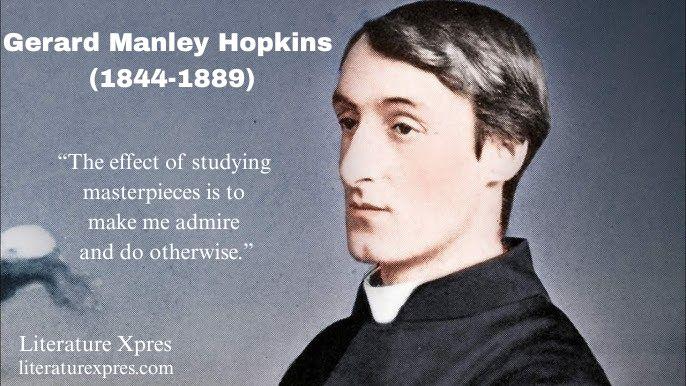
Brief Biography: জেরার্ড ম্যানলি হপকিন্স ১৮৪৪ সালে ইংল্যান্ডের Stratford, East London-এ জন্মগ্রহণ করেন। তার বাবা, Manley Hopkins ছিলেন একজন বীমা কর্মকর্তা ও অপেশাদার কবি। তার মা, Catherine Smith Hopkins ছিলেন একজন ধর্মভীরু ও শিক্ষিত মহিলা। হপকিন্স ছোটবেলা থেকেই কবিতা ও ধর্মচর্চায় আগ্রহী ছিলেন। তিনি অক্সফোর্ড বিশ্ববিদ্যালয়ে পড়াশোনা করেন এবং সেখানে থাকা অবস্থায় ধর্মীয় প্রভাব পড়ে তার ওপর। ১৮৬৬ সালে তিনি ক্যাথলিক ধর্মে রূপান্তরিত হন এবং ১৮৭৭ সালে যাজক (Priest) হিসেবে নিযুক্ত হন।
যাজক হওয়ার পর তিনি কবিতা লেখা বন্ধ করে দেন কারণ তিনি ভাবতেন তা অহংকার বাড়ায়। কিন্তু পরে তার ধর্মীয় কর্তৃপক্ষের অনুমতিতে আবার লেখায় ফেরেন। তার বিখ্যাত কবিতাগুলোর মধ্যে রয়েছে The Windhover, Pied Beauty, God’s Grandeur, Spring and Fall, Felix Randal ইত্যাদি। তিনি তার নিজস্ব ছন্দ “Sprung Rhythm” ব্যবহার করে কবিতায় নতুন ছন্দ ও শব্দচিত্র তৈরি করেন। জীবদ্দশায় তার কোনো কবিতাই প্রকাশিত হয়নি। তিনি ১৮৮৯ সালে টাইফয়েড জ্বরে আক্রান্ত হয়ে মাত্র ৪৪ বছর বয়সে মৃত্যু বরণ করেন। তার মৃত্যুর পর ১৯১৮ সালে তার বন্ধু Robert Bridges তার কবিতাগুলো প্রকাশ করেন, যা পরবর্তীকালে আধুনিক ইংরেজি কবিতার ওপর গভীর প্রভাব ফেলে।
The Windhover
Key Facts
- Author: Gerard Manley Hopkins (1844-1889)
- Title of the Author: English poet and Jesuit priest
- Full Title: The Windhover: To Christ our Lord
- Total Lines: 14 lines.
- Stanza: 1 stanza, but the structure has 2 parts: Octave and Sestet.
- Genre: Poetry
- Published Date: 1918 (posthumously)
- Written Date: 1877
- Form: Petrarchan (Italian) Sonnet
- Meter: Sprung rhythm.
- Rhyme Scheme: ABABABAB CDCDCD
- Tone: Spiritual and reflective
- Point of View: First-person
- Setting: Open sky and the poet’s inner reflection
- Time Setting: Morning
- Place Setting: Countryside or open natural landscape
Key Notes
- কবিতার ধরন ও গঠন: এই কবিতাটি একটি সনেট। সনেট মানে—১৪ লাইনের একটি কবিতা। এই সনেট দুটি ভাগে বিভক্ত: ১. Octave (প্রথম ৮ লাইন) ২. Sestet (শেষ ৬ লাইন)। Hopkins এই কবিতাটি উৎসর্গ করেছেন “To Christ our Lord”। Octave এ এই কবিতায় একটি বাজপাখি (Windhover) ওড়ার দৃশ্য বর্ণনা করা হয়েছে। কিন্তু শুধু পাখির কথা না, এই পাখির ভেতরে ঈশ্বরের গৌরব ও খ্রিস্টের প্রতীক দেখিয়েছেন কবি। আর Sestet স্পিকারের মানসিক প্রতিক্রিয়া বর্ণনা করে।
আরো পড়ুনঃ Pied Beauty Bangla Summary
- The Windhover: The Windhover একটি উৎসর্গকৃত কবিতা, যা Hopkins “To Christ our Lord” হিসেবে উৎসর্গ করেছেন। এখানে একটি বাজপাখির (windhover) ওড়ার দৃশ্যের মাধ্যমে কবি ঈশ্বরের শক্তি, সৌন্দর্য ও আধ্যাত্মিক গৌরব প্রকাশ করেছেন। এটি একধরনের ধর্মীয় স্তবকবিতা।
- Falcon as Christ Symbol: বাজপাখিটি এখানে শুধুমাত্র একটি পাখি নয়, এটি খ্রিস্টের প্রতীক। যেমন বাজপাখি আকাশে রাজসিকভাবে ওড়ে, তেমনি খ্রিস্ট আধ্যাত্মিকভাবে উঁচু এবং মহিমান্বিত। পাখির নিয়ন্ত্রণ, ক্ষমতা, আর সৌন্দর্যের মাধ্যমে খ্রিস্টের প্রতিচ্ছবি ফুটে উঠেছে।
- Sprung Rhythm: Hopkins এই কবিতায় নিজের উদ্ভাবিত ছন্দ “sprung rhythm” ব্যবহার করেছেন। এই ছন্দে stressed syllables-এর ওপর জোর দেওয়া হয়। এর ফলে কবিতার ভাষা আরও প্রাণবন্ত এবং জোরালো হয়ে ওঠে।
- Religious Imagery: কবিতায় ধর্মীয় প্রতীক, শব্দচয়ন এবং অনুভূতির ব্যবহার লক্ষ্য করা যায়। যেমন—”Brute beauty”, “Holy Ghost”, এবং “chevalier”—এসব শব্দ খ্রিস্টীয় ভাবধারার ইঙ্গিত বহন করে।
- Dynamic Movement: কবিতায় বাজপাখির ওড়ার ভঙ্গি খুব গতিময় এবং শক্তিশালীভাবে বর্ণনা করা হয়েছে। কবি তার ওড়াকে “dauphin”—রাজপুত্রের মতো সম্মান দিয়েছেন এবং তার গতিকে ঈশ্বরীয় শক্তির প্রতীক হিসেবে উপস্থাপন করেছেন।
- Form and Structure of the Poem: This poem is a sonnet. A sonnet is a poem of 14 lines. This sonnet is divided into two parts: Octave (the first 8 lines) and Sestet (the last 6 lines). Hopkins dedicated this poem “To Christ our Lord.” In the Octave, the poet describes the flight of a falcon (the Windhover). But he is not just talking about a bird. Through the falcon, the poet sees the glory of God and a symbol of Christ. The Sestet expresses the speaker’s emotional response to the scene.
- The Windhover: The Windhover is a dedicated poem, which Hopkins addressed “To Christ our Lord.” In this poem, the poet presents the flight of a falcon (windhover) as a symbol of divine power, beauty, and spiritual glory. It is a kind of religious hymn.
- Falcon as Christ Symbol: The falcon here is not just a bird—it is a symbol of Christ. Just as the falcon soars majestically in the sky, Christ is spiritually elevated and glorious. Through the bird’s control, strength, and beauty, a reflection of Christ is revealed.
- Sprung Rhythm: In this poem, Hopkins uses his own invented meter called “sprung rhythm.” In this rhythm, emphasis is placed on stressed syllables. This makes the language of the poem more lively and forceful.
- Religious Imagery: The poem contains strong religious symbols, word choices, and emotions. Words like “Brute beauty,” “Holy Ghost,” and “chevalier” reflect Christian spiritual themes and ideas.
- Dynamic Movement: The flight of the falcon is described as very energetic and powerful. The poet honors its movement by calling it a “dauphin”—a royal prince—and presents its flight as a symbol of divine strength.
Background: The Windhover কবিতাটি জেরার্ড ম্যানলি হপকিন্স ১৮৭৭ সালে রচনা করেন। এটি উৎসর্গ করেন “To Christ our Lord”। এটি একটি সংক্ষিপ্ত কিন্তু গভীর আধ্যাত্মিক কবিতা। এখানে একটি বাজপাখির (windhover) আকাশে ওড়ার দৃশ্যের মাধ্যমে খ্রিস্টের আভিজাত্য, ক্ষমতা ও আত্মিক গৌরব প্রকাশ করা হয়েছে।
Hopkins ছিলেন একজন জেসুইট পুরোহিত। তার কবিতাগুলোর মধ্যে ধর্মীয় ভাবধারা, প্রকৃতির সৌন্দর্য এবং ঈশ্বরের অস্তিত্বের প্রকাশ বারবার ফিরে আসে। এই কবিতাটিও তার সেই বিশ্বাসেরই প্রতিফলন। কবিতার কেন্দ্রে থাকা বাজপাখিটি কেবল একটি প্রাকৃতিক দৃশ্য নয়, বরং এটি খ্রিস্টের প্রতীক—যিনি নিয়ন্ত্রণ, সৌন্দর্য এবং আত্মত্যাগের মহিমায় পূর্ণ।
Hopkins এখানে তার উদ্ভাবিত ছন্দ “sprung rhythm” ব্যবহার করেছেন। এর ফলে কবিতাটি আরও সজীব, গতিময় এবং আবেগপূর্ণ হয়ে উঠেছে। কবিতাটিতে তিনি “brute beauty”, “valour”, “sheer plod” ইত্যাদি শব্দ ব্যবহার করেছেন। এর মাধ্যমে তিনি দেখাতে চেয়েছেন—কীভাবে কঠোর পরিশ্রম, দুঃখ এবং আত্মনিয়ন্ত্রণ থেকেও ঈশ্বরের গৌরব ও সৌন্দর্য জন্ম নিতে পারে। The Windhover শুধুমাত্র একটি প্রকৃতি-কবিতা নয়, এটি একটি গভীর ধর্মীয় স্তবকবিতা। এখানে আকাশে ওড়া বাজপাখির দৃশ্য এক অনন্ত আত্মিক সত্যের প্রতীক হিসেবে ব্যবহৃত হয়েছে।
The Windhover was written by Gerard Manley Hopkins in 1877. It is dedicated “To Christ our Lord.” Though short, it is a deeply spiritual poem. Through the image of a falcon (windhover) flying in the sky, Hopkins expresses the majesty, power, and spiritual glory of Christ.
Hopkins was a Jesuit priest. His poems often reflect religious themes, the beauty of nature, and the presence of God. This poem is a clear example of his deep faith. The falcon at the center of the poem is not just a bird, but a symbol of Christ—who is full of control, beauty, and the nobility of sacrifice.
In this poem, Hopkins uses his own invented meter called “sprung rhythm”, which makes the poem more lively, dynamic, and emotional. He uses powerful words like “brute beauty,” “valour,” and “sheer plod” to show how even hard work, suffering, and self-control can reveal the glory and beauty of God. The Windhover is not just a nature poem—it is a profound religious hymn. The soaring falcon becomes a symbol of eternal spiritual truth.
Characters
- The Speaker: The speaker is the poet himself, Gerard Manley Hopkins. He watches a bird flying in the sky. He feels deep emotion and sees the bird as a sign of Christ’s glory. His words show wonder, faith, and spiritual joy.
- The Windhover (Falcon): The windhover is a type of falcon. It flies high in the sky with great skill and beauty. The poet sees it as more than a bird. It becomes a symbol of power, control, and divine beauty. It also stands for Christ.
- Christ (Symbolic): Christ is not directly shown but is present in spirit. The bird’s strong and graceful flight reminds the poet of Christ’s strength and sacrifice. The bird’s beauty and action reflect Christ’s glory.
বাংলা Detailed সামারি
Octave (১-৮ লাইন) – পাখির সৌন্দর্য ও ওড়ার দৃশ্য: কবিতার শুরুতে কবি বলেন, সকালে তিনি একটি বাজপাখি দেখতে পান। এই পাখিটি খুব উঁচুতে সুন্দরভাবে উড়ছিল। কবি তাকে বলেন: “morning’s minion” — মানে সকালের প্রিয় পাখি। “kingdom of daylight’s dauphin” — মানে দিনের রাজপুত্র। এইভাবে কবি পাখিটিকে রাজকীয় সম্মান দেন।
পাখিটি তার ডানায় নিয়ন্ত্রণ রেখে আকাশে ভেসে বেড়াচ্ছে। কখনও থেমে যাচ্ছে, আবার হঠাৎ নিচে নেমে আসছে। Hopkins এই দৃশ্য দেখে বিস্মিত হন। পাখির ওড়ার মধ্যে তিনি সৌন্দর্য, শক্তি আর নিয়ন্ত্রণ দেখেন। পাখিকে কখনও তিনি ঘোড়সওয়ার নাইটের সঙ্গে তুলনা করেন। আবার কখনও আগুন বা ড্রাগনের মতো শক্তিশালী বলেন। এই অংশে কবি শুধুই পাখির শারীরিক গতিবিধি, গতি, শক্তি এবং আভিজাত্য বর্ণনা করেন।
Sestet (৯-১৪ লাইন) – কবির মনের ভাব ও আধ্যাত্মিক প্রতিক্রিয়া: এখন কবি তার নিজের অনুভূতির কথা বলেন। তিনি বলেন, পাখিটির মধ্যে আছে brute beauty— মানে একধরনের পশুসুলভ শক্তি, কিন্তু তবুও তা সুন্দর। এই সৌন্দর্য কবিকে মুগ্ধ করে। তার হৃদয় আনন্দে ভরে যায়। তিনি ভাবেন— জীবনের কঠিন পরিশ্রম, দুঃখ-কষ্ট থেকেও সৌন্দর্য ও মহিমা আসতে পারে। যেমন: “sheer plod makes plough down sillion shine”. মানে: লাঙলের ফলা যখন মাটির গভীরে প্রবেশ করে, তখন সেই মাটি ঝকঝক করে জ্বলে ওঠে।
আবার কবি বলেন, “blue-bleak embers” (মানে নিভে আসা আগুন) কখনও হঠাৎ জ্বলে ওঠে এবং উজ্জ্বল হয়। এইভাবে কবি বলেন— সাধারণ জিনিস থেকেও ঈশ্বরের সৌন্দর্য ফুটে উঠতে পারে।
English Summary
Octave (Lines 1–8) – The Beauty and Flight of the Bird: At the beginning of the poem, the poet says he sees a falcon in the morning. This bird is flying beautifully, very high in the sky. The poet calls it the “morning’s minion” — meaning the beloved bird of the morning. He also calls it “kingdom of daylight’s dauphin” — meaning the prince of the daytime. In this way, the poet gives royal honor to the bird.
The bird floats in the sky, controlling its wings carefully. Sometimes it pauses, then suddenly swoops down. Hopkins is amazed to see this scene. He sees beauty, power, and control in the bird’s flight. He sometimes compares the bird to a knight on horseback. Other times, he says it is as strong as fire or a dragon. In this part, the poet only describes the bird’s physical movement, speed, strength, and nobility.
Sestet (Lines 9–14) – The Poet’s Thoughts and Spiritual Response: Now the poet speaks about his own feelings. He says the bird has “brute beauty” — meaning it has a kind of wild strength but is still beautiful. This beauty fascinates the poet. His heart fills with joy. He thinks that even through hard work, suffering, and pain, beauty and glory can arise. For example: “sheer plod makes plough down sillion shine” means when the plough’s blade cuts deep into the earth, the soil shines and glows.
The poet also says, “blue-bleak embers” — meaning dying embers of a fire — can suddenly blaze up brightly again. In this way, the poet says that even ordinary things can show the beauty of God.
আরো পড়ুনঃ Fra Lippo Lippi Bangla Summary
Themes
- Spiritual Glory and Divine Beauty: The falcon represents Christ and God’s glory. Its flight shows the power, beauty, and sacrifice of the divine. The poem teaches that God’s presence is in nature’s wonders.
- Control and Mastery Over Life: The falcon’s perfect control of its flight symbolizes strength, courage, and mastery over difficulties. It shows how one can face life’s challenges with power and skill.
- Struggle Leading to Triumph: The poem highlights that hard work and effort, even when difficult, can create beauty and success. Like the plough shining after hard work, struggle can bring glory and joy.
থিমসমূহ (বিষয়বস্তু)
- আধ্যাত্মিক গৌরব এবং স্বর্গীয় সৌন্দর্য: বাজপাখিটি খ্রিস্ট এবং ঈশ্বরের গৌরবের প্রতীক। তার ওড়ার মাধ্যমে ঈশ্বরের শক্তি, সৌন্দর্য এবং আত্মত্যাগ প্রকাশ পায়। কবিতাটি শেখায় যে প্রকৃতির বিস্ময়ে ঈশ্বরের উপস্থিতি বিরাজমান।
- জীবন নিয়ন্ত্রণ ও দক্ষতা: বাজপাখিটির নিখুঁত ওড়ার নিয়ন্ত্রণ শক্তি, সাহস এবং জীবনের চ্যালেঞ্জ মোকাবেলার দক্ষতার প্রতীক। এটি দেখায় কিভাবে একজন মানুষ জীবনের কঠিন পরিস্থিতির মুখোমুখি হয়ে শক্তি ও দক্ষতার সঙ্গে এগিয়ে যেতে পারে।
- সংগ্রাম থেকে বিজয়: কবিতাটি তুলে ধরে যে কঠোর পরিশ্রম এবং প্রচেষ্টা, কঠিন হলেও, সৌন্দর্য এবং সফলতা এনে দিতে পারে। যেমন লাঙ্গলের নিচে জমি চাষ করার পর মাটি ঝকঝকে হয়ে ওঠে, তেমনি সংগ্রাম থেকে গৌরব ও আনন্দ জন্ম নেয়।
Quotes
“Morning’s minion, king-
dom of daylight’s dauphin…”
Explanation: The poet describes the falcon as a favorite bird of the morning and calls it the prince of daylight. The words show the bird’s beauty and royal nature as it flies in the early light.
“আজ সকালে আমি দেখেছি সকালের প্রিয় পাখি, দিনের রাজপুত্র বাজপাখি…”
ব্যাখ্যা: কবি সকালের পাখিটিকে বিশেষ প্রিয় হিসেবে উল্লেখ করেছেন এবং তাকে দিনের রাজপুত্র বলেছেন। এই শব্দগুলো দিয়ে পাখিটির সৌন্দর্য এবং রাজকীয় ভাব প্রকাশ পেয়েছে।
“Brute beauty and valour and act, oh, air, pride, plume, here
Buckle!”
Explanation: Hopkins admires the bird’s wild, raw beauty and brave action. He praises its pride and feathers, as it suddenly comes down in a powerful move. The poet feels awe at this bold display.
“কঠোর সৌন্দর্য, সাহস এবং কর্ম—হায় বাতাস, গর্ব, পালক, এখানে দৃঢ়তা!”
ব্যাখ্যা: কবি পাখিটির শক্তিশালী, নির্মম সৌন্দর্য এবং সাহসিক কাজকে প্রশংসা করেছেন। পাখিটি যখন তীব্র গতিতে নেমে আসে, তখন তার গর্ব এবং পালক দেখে কবি বিস্মিত হন।
“The achieve of, the mastery of the thing!”
Explanation: This line praises the falcon’s perfect control and skill in flight. The poet is amazed by how the bird flies in the air with power and grace.
“সফলতা, সেই বস্তুটির নিয়ন্ত্রণ!”
ব্যাখ্যা: এখানে কবি পাখিটির নিখুঁত নিয়ন্ত্রণ এবং দক্ষতা নিয়ে বলছেন। পাখিটি যেভাবে আকাশে শক্তি এবং সৌন্দর্যের সঙ্গে উড়ছে, তা কবিকে মুগ্ধ করে।
“My heart in hiding
Stirred for a bird…”
Explanation: The poet reveals a deep, hidden feeling inside himself. Seeing the bird flying freely moves his heart and stirs strong emotions. It shows how nature can awaken our inner feelings and inspire us.
“আমার লুকানো হৃদয়
একটি পাখির জন্য নাড়াচাড়া করল…”
ব্যাখ্যা: কবি তার অন্তরস্থ অনুভূতি প্রকাশ করেছেন। পাখিটি মুক্তভাবে ওড়ার দৃশ্য দেখে তার হৃদয় প্রফুল্লিত হয়। এটা দেখায় প্রকৃতি আমাদের ভেতরের অনুভূতিকে জাগিয়ে তোলে এবং প্রেরণা দেয়।
Figures of Speech
- Alliteration: Hopkins uses the repetition of consonant sounds to make the poem musical and lively. For example, in “dapple-dawn-drawn,” the repeated ‘d’ sound adds rhythm and energy.
- Metaphor: The falcon is a metaphor for Christ. Its flight shows divine power and beauty. The bird is not just a bird but a symbol of spiritual strength.
- Personification: Hopkins gives human qualities to nature. For example, he calls the falcon “kingdom of daylight’s dauphin,” as if the bird is a royal prince ruling the sky.
- Imagery: Hopkins uses vivid images to help us see, hear, and feel the falcon’s flight. Words like “plunge, plume, and pride” create a clear picture of movement and beauty.
- Symbols:
- The Falcon (Windhover): Symbolizes Christ, divine power, and spiritual beauty. The bird’s flight shows control, strength, and God’s glory in nature.
- The Morning Light: Represents new beginnings, hope, and spiritual awakening. The early morning, when the falcon flies, symbolizes purity and fresh energy.
- The Plume (Feathers): Symbolizes pride and majesty. The falcon’s feathers represent its royal status and the beauty of God’s creation.
- The Air / Sky: Represents freedom and the spiritual realm. The falcon’s mastery of the air shows control over life’s challenges and the connection between earth and heaven.
- The “Brute Beauty”: Symbolizes the wild but perfect power in nature and in faith. It shows how strength and rawness can still be beautiful and full of grace.
Main Message:
- “Even small things can show divine glory.”
- “Nature is a mirror of God’s power.”
Line by Line Explanation
1. I caught this morning morning’s minion, king-
(আমি এক বিশেষ পাখিকে দেখেছি, যে সকালে আকাশে উড়ছিল।)
2. dom of daylight’s dauphin, dapple-dawn-drawn Falcon, in his riding
(পাখিটি যেন দিনের রাজপুত্র, সুন্দর ভাবে আকাশে ভেসে ছিল।)
3. Of the rolling level underneath him steady air, and striding
(পাখিটি স্থির বাতাসের ওপর দিয়ে নিখুঁতভাবে উড়ছিল।)
4. High there, how he rung upon the rein of a wimpling wing
(পাখির ডানা যেন ঘোড়ার লাগাম টানার মতো, সুন্দর নিয়ন্ত্রণে ছিল।)
5. In his ecstasy! then off, off forth on swing,
(পাখির উড়ান ছিল আনন্দে পূর্ণ এবং দুলে দুলে সে উড়ে গেল।)
6. As a skate’s heel sweeps smooth on a bow-bend: the hurl and gliding
(পাখির উড়ান ছিল বরফের ওপর স্কেটিং-এর মতো মসৃণ ও দ্রুত।)
7. Rebuffed the big wind. My heart in hiding
(পাখির শক্তি এত ছিল যে সে ঝড়ো বাতাসেরও মুখোমুখি হতে পারছিল, আর আমি ভিতর থেকে আন্দোলিত হলাম।)
8. Stirred for a bird, – the achieve of, the mastery of the thing!
(পাখির এই নিখুঁত উড়ান আমাকে গভীরভাবে নাড়া দিল।)
9. Brute beauty and valour and act, oh, air, pride, plume, here
(পাখির ভেতরে শক্তি, সাহস, গর্ব – সবই প্রকাশ পাচ্ছে।)
10. Buckle! AND the fire that breaks from thee then, a billion
(সব মিলে একটা বিশাল শক্তি তৈরি হচ্ছিল, যেন আগুন জ্বলে উঠলো।)
আরো পড়ুনঃUlysses Bangla Summary (বাংলায়)
11. Times told lovelier, more dangerous, O my chevalier!
(এই পাখি ছিল ভয়ংকর সুন্দর, যেন এক সাহসী যোদ্ধা।)
12. No wonder of it: shéer plód makes plough down sillion
(কষ্ট করলে যেমন মাটি ঝকঝকে হয়, তেমনি পাখির পরিশ্রমে সৌন্দর্য বেরিয়ে আসে।)
13. Shine, and blue-bleak embers, ah my dear,
(একদম নিস্তেজ ছাইয়ের ভিতর থেকেও আগুন জ্বলে উঠতে পারে।)
14. Fall, gall themselves, and gash gold-vermilion.
(যেসব বস্তু নিস্তেজ পড়ে যায়, তারাও ভিতর থেকে রঙিন ও উজ্জ্বল হয়ে জ্বলে ওঠে।)


