Lord Alfred Tennyson
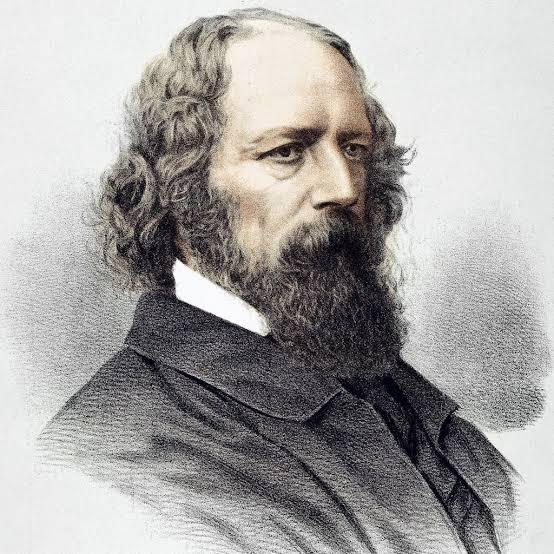
লর্ড আলফ্রেড টেনিসন ১৮০৯ সালে ইংল্যান্ডের লিঙ্কনশায়ারে জন্মগ্রহণ করেন। তাঁর পিতা জর্জ ক্লেটন টেনিসন ছিলেন একজন ধর্মযাজক। তাঁর মাতা এলিজা টেনিসন ছিলেন একটি সম্মানিত পরিবারের সদস্য। টেনিসন ছোটবেলায় পারিবারিক নানা সমস্যার মুখোমুখি হন। তিনি লাউথ গ্রামার স্কুলে পড়াশোনা করেন এবং পরে ক্যামব্রিজ বিশ্ববিদ্যালয়ের ট্রিনিটি কলেজে ভর্তি হন। ক্যামব্রিজে পড়ার সময়ই তিনি বন্ধু আর্থার হেনরি হলামের সাথে পরিচিত হন, যিনি তাঁর জীবনে গভীর প্রভাব ফেলেন। ১৮৩০ সালে টেনিসন তাঁর প্রথম কাব্যগ্রন্থ Poems, Chiefly Lyrical প্রকাশ করেন। তাঁর বিখ্যাত কাব্যের মধ্যে রয়েছে In Memoriam A.H.H., Locksley Hall, The Lotos-Eaters, এবং Ulysses। ১৮৫০ সালে টেনিসন ইংল্যান্ডের পোয়েট লরিয়েট নিযুক্ত হন। পরে ১৮৮৪ সালে তাকে Baron উপাধি দিয়ে Lord পদবীও দেওয়া হয়। তিনি ১৮৯২ সালে মৃত্যুবরণ করেন। টেনিসন আজও ভিক্টোরিয়ান ইংরেজি সাহিত্যের অন্যতম শ্রেষ্ঠ কবি হিসেবে স্মরণীয়।
The Lotos-Eaters
Key Facts
- Title: The Lotos-eaters
- Poet: Alfred, Lord Tennyson (1809-1892)
- Published: 1832, revised in 1842
- Literary Period: Victorian Age (1837-1901)
- Tone: Dreamy, melancholic, musical
- Form: A combination of narrative (telling a story) and choric song (like a chorus in a play)
- Rhyme Scheme: Varies
Background and Inspiration
The poem was inspired by Tennyson’s trip to Spain with his close friend Arthur Hallam in 1829, where they visited the Pyrenees mountains. After the trip, he wrote poems like “The Lotos-Eaters,” “Oenone,” and “Mariana in the South.” Tennyson took the idea of “The Lotos-Eaters” from Homer’s epic “The Odyssey” (Book IX). In The Odyssey, the hero Odysseus (Ulysses) and his sailors reach an island where people eat a magical plant called the lotus. Whoever eats this plant forgets home and loses the desire to work or travel. They only want to stay there in peace and rest forever.
আরো পড়ুনঃ Dover Beach Bangla Summary
এই কবিতার প্রেরণা আসে ১৮২৯ সালে টেনিসনের স্পেন ভ্রমণ থেকে, যেখানে তিনি তার ঘনিষ্ঠ বন্ধু আর্থার হ্যালামের সাথে পিরিনিস পর্বত পরিদর্শন করেছিলেন। ভ্রমণের পর, তিনি “The Lotos-Eaters,” “Oenone,” and “Mariana in the South” ইত্যাদি কবিতা লিখেছিলেন। টেনিসন “দ্য লোটস-ইটার্স” কবিতার ধারণা নেন হোমারের মহাকাব্য “দ্য ওডিসি” (বই ৯) থেকে। দ্য ওডিসি-তে, বীর ওডিসিয়াস (ইউলিসিস) এবং তার নাবিকেরা এমন এক দ্বীপে পৌঁছায় যেখানে মানুষ জাদুকরী এক উদ্ভিদ খায়, যার নাম লোটাস। যারা এই উদ্ভিদ খায়, তারা বাড়ির কথা ভুলে যায় এবং কাজ করা বা ভ্রমণ করার ইচ্ছা হারিয়ে ফেলে। তারা শুধু সেখানে শান্তিতে থাকতে এবং চিরকাল বিশ্রাম নিতে চায়।
English Detailed Summary
“Courage!” he said, and pointed toward the land,
Odysseus tells his mariners to have courage. He tells his crew/men/sailors that the big waves would soon push their ship onto land.
In the afternoon they came unto a land
In which it seemed always afternoon.
In the afternoon, they reached a strange land. There, it always felt like it was afternoon — sleepy, dreamy, and very quiet. The air was heavy and slow, like a tired person breathing during a dream. The moon hung full in the sky even during the day. Small streams of water fell down the cliffs very slowly, almost like smoke.
A land of streams! some, like a downward smoke,
Slow-dropping veils of thinnest lawn, did go;
And some thro’ wavering lights and shadows broke,
Rolling a slumbrous sheet of foam below.
It was a land filled with streams — some falling slowly like thin cloth, others rolling down and forming foamy sheets. The sailors also saw a shining river going out to the sea. In the distance, three tall snowy mountain peaks are glowing with sunset colors. Dark pine trees towered above the thick forest.
The beautiful red sunset seemed to stay longer than usual. Through the gaps in the mountains, they could see valleys, palm trees, yellow hills, and winding meadows covered with plants.
A land where all things always seem’d the same!
Everything in that land seemed calm and unchanging.
Then, from around their boat, strange people called the Lotos-eaters came. They had pale, gentle faces. They carried branches of the magical lotos plant, filled with flowers and fruits. They gave the sailors some lotos to eat.
…but whoso did receive of them,
And taste, to him the gushing of the wave
Far far away did seem to mourn and rave
On alien shores; and if his fellow spake,
His voice was thin, as voices from the grave;
And deep-asleep he seem’d, yet all awake,
And music in his ears his beating heart did make.
Whoever ate the lotos fruit felt as if the sound of the sea became far away and sad. Even the voices of their friends sounded thin and ghostly to them. Although they were awake, they felt as if they were in a deep dream. Their hearts beat with a sweet music in their ears.
They sat them down upon the yellow sand,
Between the sun and moon upon the shore;
And sweet it was to dream of Fatherland,
Of child, and wife, and slave; but evermore
Most weary seem’d the sea, weary the oar,
Weary the wandering fields of barren foam.
Then some one said, “We will return no more”;
And all at once they sang, “Our island home
Is far beyond the wave; we will no longer roam.”
The sailors sat down on the yellow beach, between the setting sun and the rising moon. They thought about their homes, families, and the lives they had left behind. It was sweet to dream of home. But the idea of going back to sea — rowing hard through the endless, empty ocean — felt very tiring. One of the sailors said, “We will return no more”. Then all of them sang together, “Our island home is far beyond the wave; we will no longer roam”—that their home was very far away across the waves, and they decided not to travel any further.
Bangla Detailed Summary
“সাহস রাখো!” — তিনি বললেন এবং ভূমির দিকে ইশারা করলেন।
ওডিসিয়াস (Odysseus) তাঁর নাবিকদের সাহস রাখতে বললেন। তিনি তাঁর নাবিকদের বললেন যে বিশাল ঢেউ শীঘ্রই তাদের জাহাজকে তীরে পৌঁছে দেবে।
দুপুরের দিকে তারা এমন এক দেশে পৌঁছাল
যেখানে সবসময় যেন বিকেলের মতো অনুভূতি ছিল।
দুপুরের দিকে তারা একটি অদ্ভুত ভূখণ্ডে পৌঁছাল। সেখানে সবসময় মনে হতো যেন বিকেল — চারিদিকে ঘুমঘুম, স্বপ্নময়, আর নিস্তব্ধ পরিবেশ। বাতাস ভারী ও ধীর ছিল, যেন ক্লান্ত কোনো মানুষের নিঃশ্বাসের মতো। দিনের বেলাতেও আকাশে চাঁদ দেখা যাচ্ছিল, আর ছোট ছোট জলপ্রপাত ধীরে ধীরে ধোঁয়ার মতো পড়ছিল পাহাড়ের খাঁজ বেয়ে নিচে।
এটি ছিল ঝরনায় ভরা এক দেশ! কিছু ঝরনা ধোঁয়ার মতো নিচে পড়ছিল,
পাতলা কাপড়ের মতো ধীরে ধীরে ঝরছিল;
আর কিছু আলো-ছায়ার ভেতর দিয়ে নিচে পড়ছিল,
নিচে গিয়ে ফেনার চাদর তৈরি করছিল।
এটি ছিল ঝর্ণার দেশ — কিছু জলধারা ধীরে ধীরে পড়ছিল পাতলা কাপড়ের মতো, আবার কিছু আলো-ছায়ার ভেতর দিয়ে বয়ে গিয়ে নিচে সাদা ফেনার চাদর তৈরি করছিল। নাবিকেরা একটি উজ্জ্বল নদীকে সাগরের দিকে প্রবাহিত হতে দেখল। দূরে তারা দেখল তিনটি বরফে ঢাকা পাহাড়ের চূড়া, সূর্যের শেষ আলোয় লাল আভায় দীপ্তিময়। ঘন বনভূমির ওপরে মাথা উঁচু করে দাঁড়িয়ে ছিল পাইন গাছ।
সুন্দর লাল সূর্যাস্ত যেন স্বাভাবিকের চেয়ে বেশিক্ষণ স্থায়ী হচ্ছিল। পাহাড়ের ফাঁক দিয়ে দেখা যাচ্ছিল উপত্যকা, খেজুরগাছের সারি, হলুদ টিলা এবং আঁকাবাঁকা ঘাসভরা তৃণভূমি।
একটি এমন দেশ, যেখানে সবকিছু সবসময় একই রকম মনে হতো!
এটি ছিল এমন এক দেশ যেখানে সবকিছু চিরকাল একরকম মনে হতো — স্থির ও অপরিবর্তিত।
তারপর নাবিকদের জাহাজের চারপাশে এল একদল অদ্ভুত মানুষ — লোটোস-খাদকরা। তাদের চেহারা ছিল শান্ত ও ফ্যাকাসে। তারা জাদুকরী লোটোস গাছের ফুল ও ফলভরা ডাল নিয়ে এসেছিল। তারা নাবিকদের তা খাওয়ার জন্য দিল।
কিন্তু যে-ই তাদের লোটোস গ্রহণ করে খেয়েছিল,
তার কাছে সাগরের গর্জন
অনেক দূরের মতো মনে হলো, যেন বিষণ্নভাবে কান্না করছে
কোনো ভিন্ন তীরে; তার কোনো সঙ্গী যদি কথা বলত,
তার কণ্ঠস্বরও খুব দুর্বল ও ভূতুরের মতো শোনাত।
সে জেগে থেকেও গভীর ঘুমে তলিয়ে যাওয়ার মতো অনুভব করছিল,
আর নিজের হৃদয়ের ধ্বনি যেন কানে সুরের মতো বাজছিল।
যে নাবিকরা লোটোস খেল, তারা অনুভব করল যেন সাগরের গর্জন অনেক দূরে কোথাও দুঃখের সুরে কাঁদছে। বন্ধুদের কণ্ঠস্বরও তাদের কাছে ভৌতিক বা উদ্ভট শোনাল। তারা জেগে ছিল, কিন্তু মনে হচ্ছিল যেন কোনো গভীর ঘুমের মধ্যে আছে। তাদের হৃদস্পন্দন যেন এক মধুর সংগীতের মতো তাদের কানে বাজছিল।
তারা সৈকতের হলুদ বালুর ওপর বসে পড়ল,
সূর্য ও চন্দ্রের মাঝখানে;
তাদের কাছে মাতৃভূমির,
সন্তানের, স্ত্রীর আর তাদের দাসের কথা ভাবা ছিল মধুর এক স্বপ্নের মতো।
কিন্তু সাগর যেন এখন অসহ্য ক্লান্তিকর মনে হচ্ছিল, বৈঠা চালানোও ছিল ক্লান্তিকর,
আর নির্জন সমুদ্রের ফেনার মাঝে ঘুরে বেড়ানোও ছিল ক্লান্তিকর।
তখন একজন বলল, “আমরা আর ফিরে যাব না”;
আর সঙ্গে সঙ্গেই সবাই মিলে গেয়ে উঠল, “আমাদের বাড়ি
অনেক দূরে সাগরের ওপারে; আমরা আর কখনও সমুদ্রে পাড়ি জমাবো না।”
নাবিকেরা বসে পড়ল হলুদ বালির উপর, তখন সূর্য অস্ত যাচ্ছিল ও চাঁদ মাথার উপড়ে উঠছিল। এই নাবিকেরা নিজেদের দেশ, পরিবার, সন্তান, স্ত্রীর কথা ভাবতে লাগল। এই ভাবনাটা ছিল অনেক মধুর। কিন্তু আবার সমুদ্রে ফিরে কঠোর পরিশ্রমে বৈঠা চালিয়ে এগিয়ে চলার চিন্তা তাদের ক্লান্ত করে তুলল। তখন একজন বলল, “আমরা আর ফিরে যাব না।” তারপর সবাই একসাথে গান ধরল — “আমাদের বাড়ি অনেক দূরে সাগরের ওপারে; আমরা আর কখনও সমুদ্রে পাড়ি জমাবো না।”
আরো পড়ুনঃ Fra Lippo Lippi Bangla Summary
Themes
Escape from Reality: In “The Lotos-Eaters,” the sailors feel tired of their hard life. When they eat the magical lotos fruit, they forget their troubles and feel peaceful and dreamy. They do not want to work, travel, or struggle anymore. They only want to rest and stay in that calm land forever. This shows the idea of “escape from reality” — leaving behind the real world, full of hard work and pain, and choosing an easy, dream-like life instead.
“দ্য লোটোস-ইটারস” কবিতায় নাবিকেরা তাদের কঠিন জীবনে ক্লান্ত হয়ে পড়ে। যখন তারা জাদুকরী লোটোস ফল খায়, তারা তাদের দুঃখ-কষ্ট ভুলে গিয়ে শান্তি এবং স্বপ্নময় অনুভব করে। তারা আর কাজ করতে, ভ্রমণ করতে বা সংগ্রাম করতে চায় না। তারা শুধু বিশ্রাম নিতে এবং চিরকাল ওই শান্ত দেশে থাকতে চায়। এই বিষয়টি হচ্ছে “Escape from Reality” বা কঠিন বাস্তবতা থেকে পালিয়ে থাকার চেষ্টা করা— কঠোর পরিশ্রম এবং কষ্টে ভরা বাস্তব জীবনকে ছেড়ে দিয়ে সহজ, স্বপ্নের মতো জীবন বেছে নেওয়া।
Duty vs. Desire: The sailors know that their real duty is to go back home. They have families waiting for them. But after eating the lotos, they feel a strong desire to stay and rest. They no longer want to do their duty. Their hearts want peace, but their responsibility calls them home. This fight between doing what they should (duty) and doing what they want (desire) is a big theme in the poem. The sailors finally choose desire over duty.
নাবিকেরা জানে যে তাদের প্রকৃত দায়িত্ব হলো বাড়ি ফিরে যাওয়া। তাদের পরিবারের লোকেরা তাদের জন্য অপেক্ষা করছে। কিন্তু লোটোস খাওয়ার পরে তারা সেখানে থেকে যেতে এবং বিশ্রাম নিতে চায়। তারা আর তাদের দায়িত্ব পালন করতে চায় না। তাদের হৃদয় শান্তি চায়, কিন্তু তাদের দায়িত্ব তাদের বাড়ি ডাকছে। যা করা উচিত (দায়িত্ব) এবং যা করতে ইচ্ছে করে (ইচ্ছা) এই দুটির মধ্যে লড়াই হলো এই কবিতার একটি বড় থিম। শেষ পর্যন্ত নাবিকেরা দায়িত্বের চেয়ে ইচ্ছাকে বেশি গুরুত্ব দেয়।
Figures of Speech
Simile
A simile compares two different things using “like” or “as.”
Examples:
“Breathing like one that hath a weary dream.”
The air is compared to a tired person breathing while dreaming. It shows how slow and sleepy the place feels.
“His voice was thin, as voices from the grave.”
The speaker compares the sailor’s voice to ghostly voices. It shows how weak and lifeless their voices became after eating lotus.
Metaphor
A metaphor is a direct comparison without using “like” or “as.”
Example:
“Weary the wandering fields of barren foam.”
The ocean waves are called “fields of barren foam.” This comparison suggests that the sea is endless, empty, and tiresome.
Alliteration
Alliteration is the repetition of the same consonant sound at the start of nearby words.
Example:
“Far, far away did seem to mourn and rave.”
Here, the “f” sound is repeated. This gives the line a musical and soft sound.
“Weary the wandering fields of barren foam.”
Here, “w” and “f” sounds are repeated. This repetition emphasizes the tired, endless nature of the sea.
Symbols
The Lotos Plant: The lotos plant is a magical plant with fruit and flowers. The lotos plant symbolizes forgetfulness, laziness, and escaping from reality. When the sailors eat the lotos, they forget their home and duty. They feel sleepy and peaceful and don’t want to work or return. So, the lotos becomes a symbol of choosing an easy, dreamy life instead of a hard, responsible one.
লোটোস গাছ একটি জাদুকরী গাছ, যার ফল এবং ফুল আছে। এটি ভুলে যাওয়া, অলসতা এবং বাস্তবতা থেকে পালিয়ে যাওয়ার প্রতীক। নাবিকেরা যখন লোটোস খায়, তারা তাদের বাড়ি ফিরে যাওয়ার কথা ভুলে যায় এবং দায়িত্ব ভুলে যায়। তারা ঘুম ঘুম এবং শান্ত অনুভব করে। তারা আর কাজ করতে চায় না বা বাড়ি ফিরে যেতে চায় না। তাই লোটোস কঠিন এবং দায়িত্বপূর্ণ জীবনের পরিবর্তে সহজ, স্বপ্নময় জীবন বেছে নেওয়ার প্রতীকে পরিণত হয়।
The Sea: In this poem, the sea is described as a field of barren foam. The sea is full of endless water. Here, the sea becomes a symbol of a hard, empty life, compared to the peaceful island of the lotos. The sailors call the sea “weary” and “barren foam.” It shows how tired they are of traveling and fighting waves.
এই কবিতায় সমুদ্রকে “ফেনার শূন্য/অনুর্বর মাঠ” হিসাবে বর্ণনা করা হয়েছে। সমুদ্র অসীম পানিতে ভরা। এখানে সমুদ্র কঠিন এবং শূন্য জীবনের প্রতীক, যা লোটাসের শান্ত দ্বীপের সম্পূর্ণ বিপরীত। নাবিকেরা সমুদ্রকে “ক্লান্তিকর” এবং “শূন্য ফেনার মাঠ” বলে ডাকে। এটি বোঝায় যে তারা ঢেউয়ের সঙ্গে লড়াই করে এবং ভ্রমণ করতে করতে কতটা ক্লান্ত হয়ে পড়েছে।
Quotes
1. “In which it seemed always afternoon.”
“যেখানে সবসময় যেন বিকেলের মতো অনুভূতি ছিল।”
The sailors reach the land in the afternoon. Everything feels sleepy there. The island feels like it is always afternoon there. It means the island is sleepy, dreamy, and very quiet.
2. “A land of streams!”
“এটি ছিল ঝরনায় ভরা এক দেশ!”
The lotos land is full of streams, rivers, mountains, valleys, and natural beauty. It is a land straight out of a dream; magical and peaceful.
3. “Most weary seem’d the sea, weary the oar,
Weary the wandering fields of barren foam.”
“কিন্তু সাগর যেন এখন অসহ্য ক্লান্তিকর মনে হচ্ছিল, বৈঠা চালানোও ছিল ক্লান্তিকর,
আর নির্জন সমুদ্রের ফেনার মাঝে ঘুরে বেড়ানোও ছিল ক্লান্তিকর।”
আরো পড়ুনঃ Felix Randal Bangla Summary
The sailors must row their ship across a wild sea, face storms, and fight battles to return to their fatherland. But they feel tired of the sea, the oar, and the long journey. They feel the sea is a never-ending barren field of foam.
4. “We will return no more.”
আমরা আর ফিরে যাব না।”
After eating the lotos, the sailors do not want to return to their home. They want rest and peace.
5. “Our island home is far beyond the wave; we will no longer roam.”
“আমাদের বাড়ি অনেক দূরে সাগরের ওপারে; আমরা আর কখনও সমুদ্রে পাড়ি জমাবো না।”
The sailors do not want to return to their fatherland. Because they feel very tired of the sea.


Outstanding